
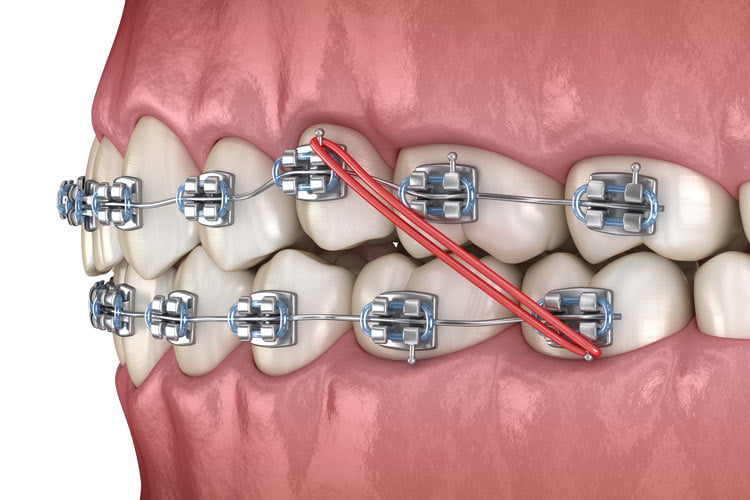
Retainers play a quiet yet powerful role in protecting the smile you worked so hard to achieve. After orthodontic treatment, Retainers help stabilize teeth, support alignment, and maintain long term aesthetic harmony. At ClinicHI, we often see that patients invest significant effort in straightening their teeth but overlook the science behind maintaining their orthodontic appliances.
Understanding how to clean Retainers properly is not simply about hygiene. It is about biofilm control, material preservation, and oral ecosystem balance.
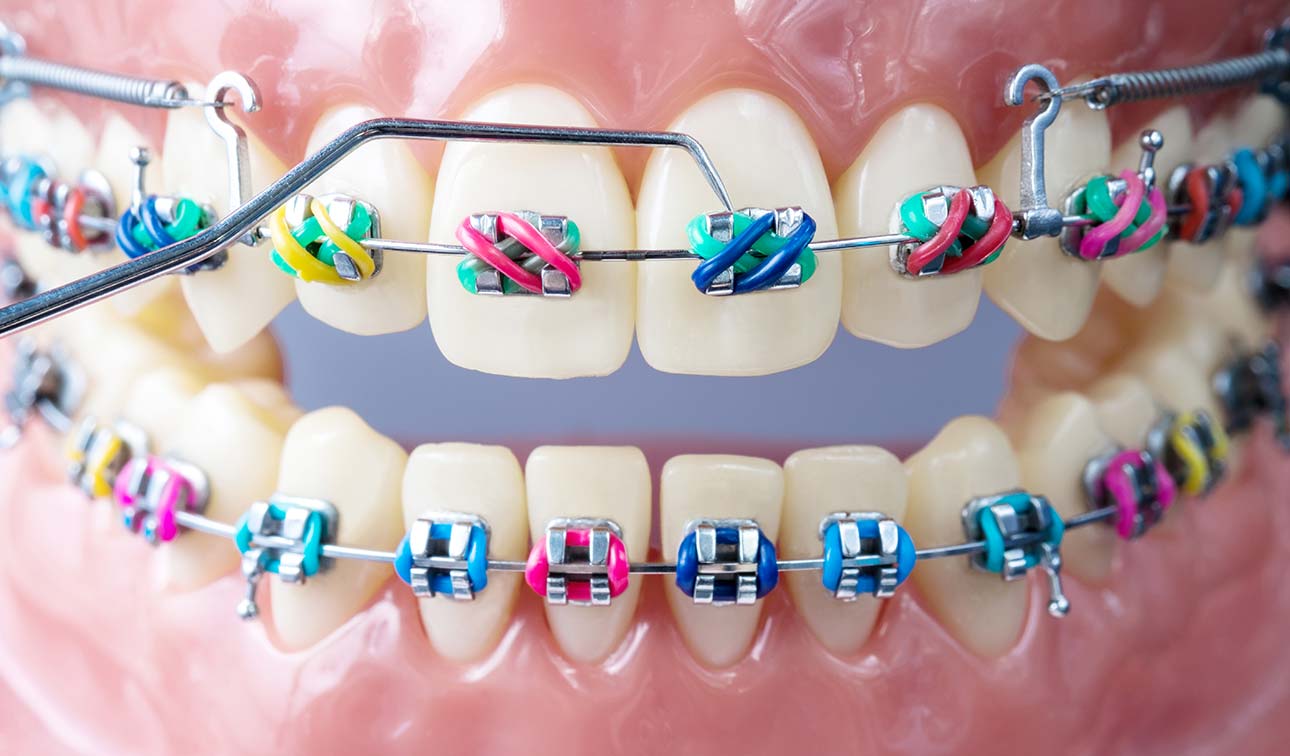
Using extremely hot water is generally discouraged because heat can distort thermoplastic Retainers. Likewise, abrasive toothpaste may scratch surfaces, creating micro grooves where bacteria can adhere more easily.
Scientific discussions on oral biofilm suggest that mechanical disruption plays a major role in plaque control. In simple terms, gentle brushing of Retainers often supports better cleanliness than soaking alone.
At ClinicHI, patients frequently report improved freshness and comfort when a structured routine becomes part of their daily oral care habits.
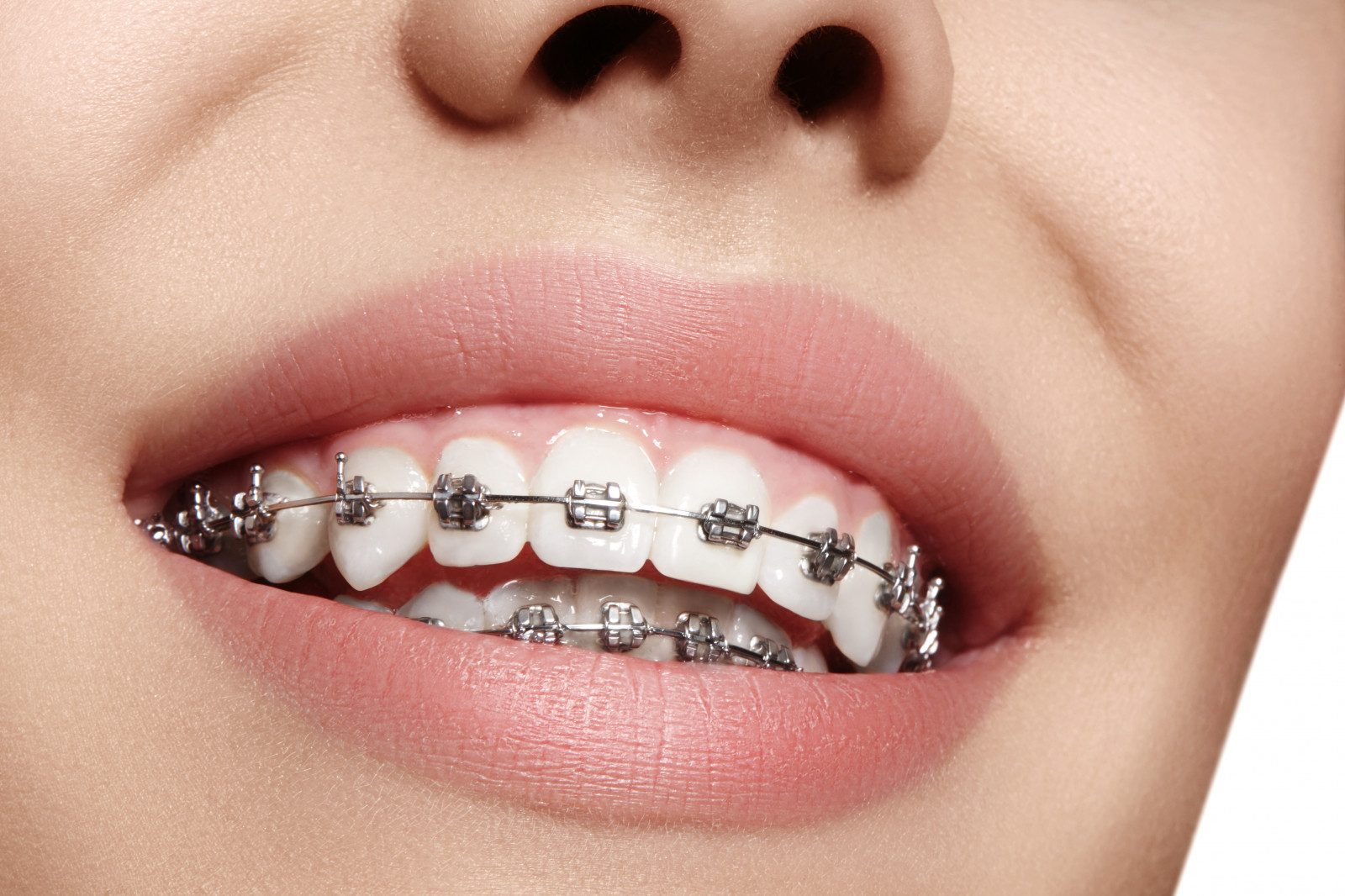
Why Retainers Matter for Long Term Oral Stability
After braces or clear aligner therapy, teeth naturally attempt to return to their original positions. Retainers function as stabilizing devices that help maintain structural alignment during this adaptive phase. Orthodontic literature consistently highlights that post treatment stabilization can influence long term outcomes. There are two main categories of Retainers:- Removable clear retainers
- Hawley retainers with acrylic and metal components
- Fixed bonded retainers attached behind the teeth
Daily Cleaning Routine for Retainers: A Structured Approach
Developing a consistent cleaning routine for Retainers helps reduce plaque accumulation and staining. While exact methods may vary depending on material type, consistency remains the most important factor. A typical daily maintenance framework may include:| Step | Action | Purpose |
| 1 | Rinse with lukewarm water | Remove loose debris |
| 2 | Gently brush appliance | Reduce biofilm accumulation |
| 3 | Air dry in clean case | Minimize bacterial growth |
| 4 | Store properly | Prevent contamination |
Deep Cleaning Retainers Without Damaging Materials
Beyond daily rinsing and brushing, periodic deep cleaning of Retainers can support long term clarity and hygiene. Over time, mineral deposits from saliva may accumulate, especially in areas with hard water. Some individuals choose effervescent cleaning tablets designed for dental appliances. These solutions create mild bubbling action that helps dislodge surface deposits. However, extended soaking beyond recommended time frames may affect material durability. Here is a general comparison of cleaning approaches:- Mechanical brushing
- Mild cleansing solutions
- Diluted vinegar or baking soda mixtures
- Ultrasonic cleaning devices
Common Mistakes When Cleaning Retainers
Even well intentioned care routines may unintentionally shorten the lifespan of Retainers. Understanding common mistakes can help prevent avoidable wear. One frequent issue is wrapping Retainers in tissue during meals. This increases the risk of accidental disposal. Another mistake is leaving them exposed on bathroom counters where airborne bacteria may settle. Using boiling water to disinfect orthodontic appliances is another common error. Heat can permanently warp clear Retainers, affecting fit and comfort. Similarly, harsh chemical cleaners not intended for dental materials may cause surface roughness. Material degradation can increase bacterial adhesion. When surfaces become rough, plaque retention may rise. Maintaining smoothness helps support both hygiene and aesthetics.How Retainers Interact with Oral Bacteria and Biofilm
The human mouth contains hundreds of bacterial species. When Retainers are introduced into this environment, they become additional surfaces for microbial attachment. Biofilm forms when bacteria adhere to a surface and produce extracellular matrix. This process is natural and does not automatically imply infection. However, unmanaged accumulation may contribute to odor, discoloration, or calculus like deposits. Research in dental microbiology suggests that removable orthodontic appliances can harbor Streptococcus and Lactobacillus species if hygiene is inconsistent. Saliva composition also influences how Retainers accumulate deposits. Individuals with higher mineral content in saliva may notice more frequent buildup. Diet plays a role as well. Pigmented beverages such as coffee or tea may stain clear orthodontic appliances over time. Understanding these biological interactions encourages proactive maintenance rather than reactive cleaning after visible staining appears.Travel, Storage, and Lifestyle Tips for Retainers
Lifestyle habits significantly affect the longevity of Retainers. Travel introduces additional variables such as temperature changes, limited cleaning access, and storage challenges. Consider these practical strategies:- Carry a ventilated storage case
- Avoid leaving appliances in hot cars
- Pack a soft brush specifically for orthodontic use
- Rinse after consuming sugary or acidic drinks
When to Replace Retainers and What Signs to Watch
No orthodontic appliance lasts indefinitely. Over time, Retainers may show signs of wear such as:- Surface cloudiness
- Cracks or small fractures
- Warping or looseness
- Persistent odor despite cleaning
Scientific Insights Into Retainer Material Durability
Modern Retainers are typically fabricated from medical grade thermoplastics or acrylic resins. These materials are selected for biocompatibility, flexibility, and structural memory. Laboratory analyses have shown that repeated exposure to high temperatures can alter polymer chain alignment. This explains why hot water cleaning is discouraged. Surface roughness measurements in dental materials research demonstrate that smoother surfaces resist bacterial adhesion more effectively. Some studies have explored antimicrobial coatings for orthodontic appliances. While promising, these technologies are still evolving. For now, mechanical cleaning combined with mindful storage remains the most reliable strategy for preserving Retainers. Understanding the material science behind orthodontic appliances empowers patients to make informed decisions about daily care.Protecting Your Smile with Smart Retainer Care
Maintaining Retainers is not merely a cosmetic concern. It reflects an understanding of microbiology, material durability, and long term orthodontic stability. A consistent cleaning routine, gentle handling, and mindful storage habits can support clarity and comfort. At ClinicHI, we believe that informed patients make confident decisions. When you understand how Retainers interact with oral bacteria, temperature, and daily habits, maintenance becomes intuitive rather than burdensome. A healthy smile is a long term investment. By caring for your orthodontic appliance with attention and consistency, you help preserve alignment, aesthetics, and overall oral harmony.Get Your Free Consultation
Have questions? Leave your details and we'll get back to you as soon as possible.
Get Free Consultation