

Dental Hygiene is one of the most frequently discussed yet often misunderstood aspects of oral care. Many people assume it simply means brushing twice a day, but Dental Hygiene involves a broader, science-informed routine that includes plaque control, gum awareness, dietary patterns, and regular professional evaluation. When we ask how often we should perform Dental Hygiene, we are really asking how often our mouth requires active support to remain balanced.
Oral tissues exist in a dynamic ecosystem. Saliva, bacteria, food particles, and immune responses constantly interact. Because of this complexity, Dental Hygiene cannot be reduced to a single rule. Instead, frequency depends on biological rhythms, lifestyle factors, and individual variability. Understanding these layers can transform routine care from a mechanical habit into a conscious health practice.

This table does not prescribe actions but highlights how context shapes oral care awareness.
The Biological Foundations of Dental Hygiene Frequency
To understand how often Dental Hygiene should be performed, it helps to examine what happens inside the mouth every day. After eating, bacterial biofilm begins forming on tooth surfaces within hours. This biofilm, often called plaque, matures if not disrupted. Scientific observations suggest that consistent disruption of this accumulation is central to effective Dental Hygiene. Saliva plays a protective role, buffering acids and supporting remineralization. However, saliva alone cannot replace deliberate Dental Hygiene routines. Factors such as reduced salivary flow, orthodontic appliances, or dietary sugar exposure may increase the need for attentive care. From a biological standpoint, daily intervention aligns with how quickly plaque can organize itself.Daily Dental Hygiene: Morning and Evening Rhythms
Circadian biology influences oral conditions. Overnight, saliva production decreases, creating an environment where bacteria may multiply more freely. Performing Dental Hygiene in the morning helps reset the oral environment after hours of reduced cleansing activity. Evening routines are equally significant. Nighttime Dental Hygiene may limit prolonged exposure to food debris and acids during sleep. Some observational analyses indicate that consistent evening care is associated with improved gum condition over time. While exact outcomes vary among individuals, establishing a twice daily rhythm appears aligned with current preventive philosophies. Beyond brushing, complementary practices such as interdental cleaning and tongue care contribute to a comprehensive Dental Hygiene approach. The goal is not perfection but consistency.How Lifestyle Factors Influence Dental Hygiene Needs
Not all mouths function under identical conditions. Diet, stress, hydration, and even occupation can influence how often Dental Hygiene should be emphasized. For example, frequent snacking may expose teeth to repeated acid cycles, potentially increasing the relevance of structured Dental Hygiene habits. Similarly, individuals who consume staining beverages like coffee or tea may notice aesthetic changes without consistent Dental Hygiene. Tobacco exposure, dry indoor climates, or extended speaking engagements can also alter oral balance. These lifestyle variables suggest that while general recommendations exist, personalization matters. Below is a simplified overview of factors that may shape Dental Hygiene frequency:| Influencing Factor | Possible Impact on Dental Hygiene Routine |
| Frequent snacking | Increased plaque activity cycles |
| Reduced saliva flow | Higher bacterial persistence |
| Orthodontic appliances | More complex cleaning patterns |
| High sugar beverages | Greater acid exposure |
| Stress | Potential gum sensitivity |
Professional Dental Hygiene and Clinical Monitoring
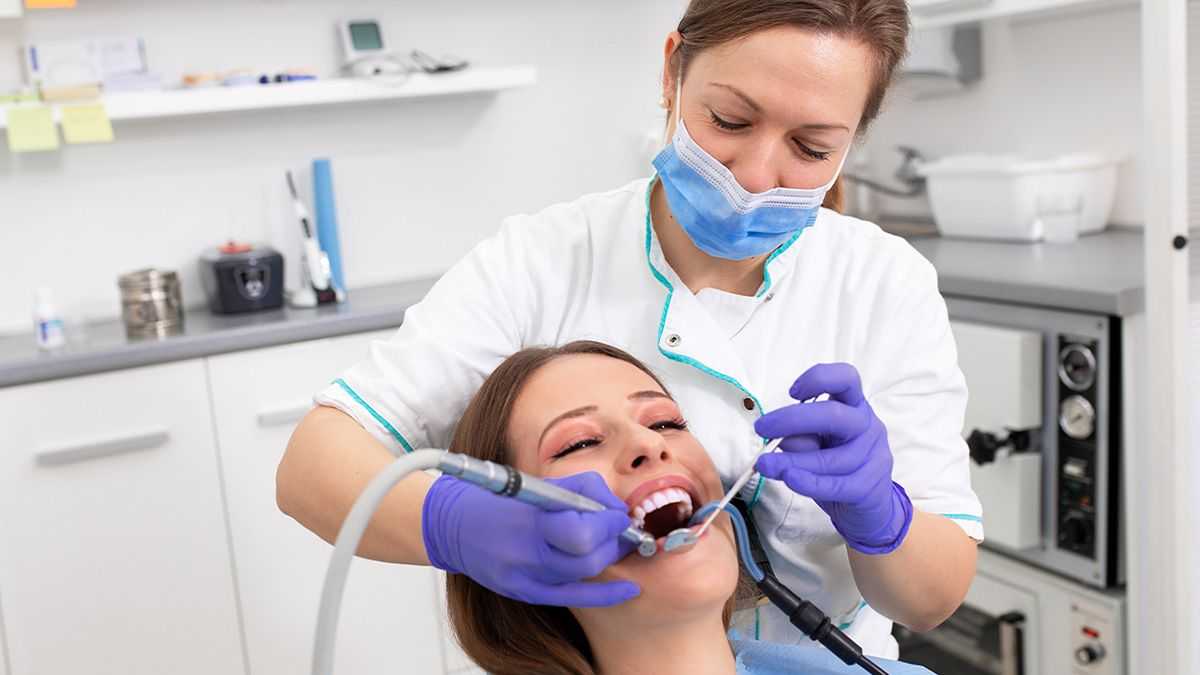
Home routines form the foundation, yet professional Dental Hygiene sessions add another dimension. Clinical cleaning tools reach areas that may be challenging to address alone. Professional evaluation also assesses gum depth, tartar accumulation, and tissue response. Research reviews often explore recall intervals ranging from three to twelve months. The optimal frequency for professional Dental Hygiene visits may vary depending on individual history. Some people benefit from shorter intervals, while others maintain stability with less frequent appointments. Importantly, professional Dental Hygiene is not a replacement for daily habits. Instead, it complements personal routines and provides a broader diagnostic perspective.Dental Hygiene and Gum Health Dynamics
Gum tissue responds to bacterial presence with inflammation. Early inflammatory signals may be subtle, including mild redness or bleeding during brushing. Regular Dental Hygiene helps disrupt the bacterial triggers associated with these responses. Longitudinal analyses of gum conditions suggest that consistency in Dental Hygiene routines correlates with improved tissue stability over time. However, biological diversity means responses differ. Genetics, immune sensitivity, and systemic health can all influence gum behavior. Understanding gum dynamics reframes the question of frequency. Rather than asking how often in isolation, we might ask how consistently we support tissue balance through mindful Dental Hygiene practices.Dental Hygiene Across Different Life Stages
Age introduces distinct oral changes. Children experience erupting teeth and evolving motor skills. Adolescents may face orthodontic challenges. Adults encounter lifestyle variability, and older individuals sometimes navigate dry mouth or restorative work. Each stage shapes how Dental Hygiene is approached. For example, developing coordination in early years may require supervised Dental Hygiene habits. In adulthood, work schedules and dietary diversity influence consistency. Later in life, restorative materials and gum recession may shift cleaning techniques. This life stage perspective suggests that Dental Hygiene frequency remains relatively stable in principle but flexible in method. Adaptation, not rigidity, defines sustainable care.Behavioral Science and Sustainable Dental Hygiene Habits
Habits form through repetition and environmental cues. Behavioral research indicates that linking Dental Hygiene to established routines increases adherence. For example, pairing brushing with a consistent morning trigger may reinforce continuity. Psychological engagement also matters. Viewing Dental Hygiene as an investment in long term well being rather than a chore may improve motivation. Small design choices, such as accessible storage or visually appealing tools, can subtly influence habit strength. Interestingly, habit formation studies suggest that consistency outweighs intensity. A manageable routine sustained daily often proves more impactful than occasional ambitious efforts. This principle aligns closely with the preventive philosophy behind Dental Hygiene.
A Balanced Perspective on Dental Hygiene Frequency
So how often should Dental Hygiene be performed? Current preventive frameworks often emphasize twice daily mechanical cleaning, complemented by interdental care and periodic professional evaluation. Yet frequency alone does not define effectiveness. Technique, awareness, and adaptability contribute equally. The concept of Dental Hygiene evolves alongside scientific understanding. Emerging research on the oral microbiome continues to refine how we perceive plaque control and tissue balance. Rather than fixed numbers, we find patterns: daily disruption of biofilm, regular assessment, and lifestyle alignment. Ultimately, Dental Hygiene represents an ongoing dialogue between biology and behavior. It is neither an occasional task nor an obsessive pursuit. When approached thoughtfully, it becomes a sustainable rhythm integrated into everyday life.Integrating Dental Hygiene into a Lifelong Oral Care Strategy
Asking how often to perform Dental Hygiene invites a deeper exploration of oral biology, lifestyle context, and behavioral science. While general guidance frequently points toward twice daily routines supported by periodic professional care, personalization remains central. The mouth is a living environment shaped by habits, nutrition, and systemic influences. Understanding these dimensions empowers individuals to view Dental Hygiene as a structured yet adaptable practice. Knowledge encourages consistency. Awareness fosters balance. And a thoughtful routine may support long term oral resilience without rigid prescriptions.Get Your Free Consultation
Have questions? Leave your details and we'll get back to you as soon as possible.
Get Free Consultation