
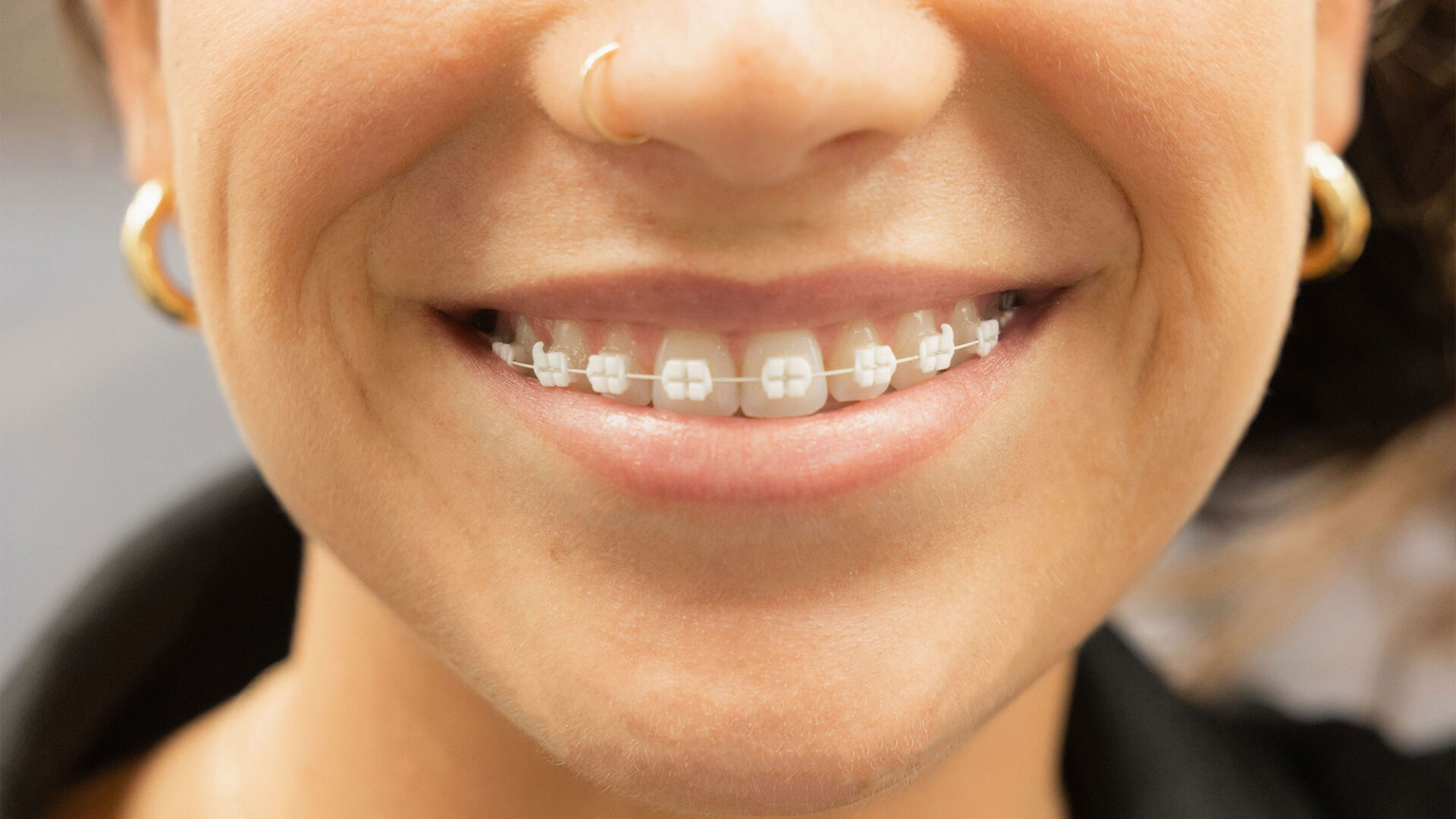
Braces are among the most trusted orthodontic solutions for aligning teeth, correcting bite problems, and improving overall oral harmony. Yet one question echoes in almost every consultation at ClinicHI: how long do Braces actually take to straighten teeth? The answer depends on biology, biomechanics, and consistency. While timelines vary, understanding the science behind Braces makes the journey clearer and far less mysterious.
Orthodontic treatment is not simply about moving teeth from point A to point B. It is a controlled biological process involving bone remodeling, ligament adaptation, and careful force calibration.
While some systems claim faster results, clinical reviews suggest that biological limits still define treatment speed. The orthodontist’s experience and treatment planning are often more influential than marketing claims.
How Do Braces Work to Move Teeth Over Time?
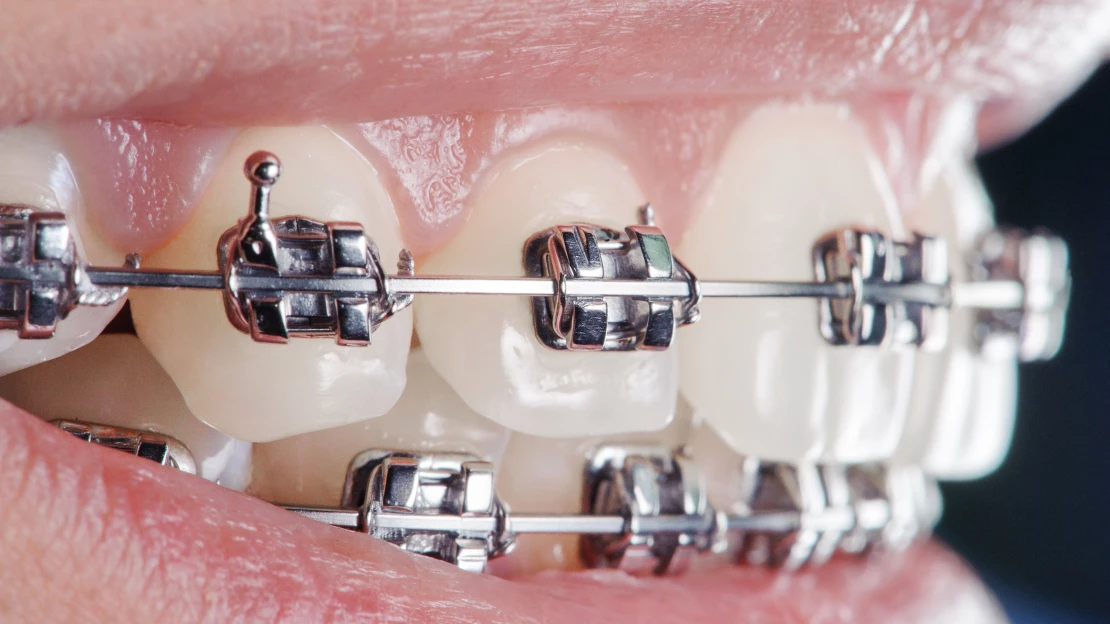
To understand how long Braces take, it helps to understand how they function. Traditional orthodontic appliances consist of brackets, archwires, and elastic components that apply gentle, sustained pressure to teeth. This pressure stimulates the periodontal ligament and surrounding bone to remodel. When Braces apply force, bone resorption occurs on one side of the tooth while bone formation develops on the opposite side. This biological mechanism allows gradual repositioning. The process is highly individualized because each person’s bone density, metabolism, and tissue response differ. Modern orthodontic systems, including ceramic brackets and self ligating appliances, are designed to optimize force control. These innovations may enhance efficiency, but they still rely on the same biological principles. Tooth movement cannot be rushed beyond what the body safely allows.Average Treatment Duration with Braces
In many cases, Braces treatment lasts between 12 and 24 months. Mild alignment issues may resolve closer to one year, while complex bite corrections can extend beyond two years. However, averages do not define individual outcomes. Research in orthodontic journals suggests that several stages influence duration:- Initial alignment phase
- Space closure or bite correction
- Finishing and detailing
Factors That Influence Braces Treatment Time
The duration of Braces depends on multiple interacting variables. Orthodontic science recognizes that no two cases respond identically. Key factors include:Age
Adolescents often experience faster tooth movement due to active bone metabolism. Adults can achieve excellent outcomes, but tissue response may be slightly slower.Severity of Misalignment
Crowding, spacing, overbite, underbite, and crossbite complexity significantly affect how long Braces remain in place.Type of Orthodontic System
Metal brackets, ceramic systems, and clear aligner alternatives each have unique mechanical characteristics. Although clear aligners are sometimes compared to Braces, fixed appliances may provide greater control in certain cases.Patient Compliance
Elastic wear, oral hygiene, and appointment consistency matter. Poor compliance may extend Braces duration. Orthodontic research consistently shows that adherence to instructions influences efficiency more than appliance type alone.
Different Types of Braces and Their Timelines
Not all Braces are identical. Variations in design can influence comfort, aesthetics, and sometimes efficiency.| Type of Orthodontic Appliance | Typical Duration Range | Key Characteristics |
| Braces with metal brackets | 12 to 24 months | Durable and precise control |
| Ceramic Braces | 12 to 24 months | Tooth colored, aesthetic option |
| Self ligating Braces | 12 to 22 months | Reduced friction design |
| Lingual Braces | 18 to 30 months | Placed behind teeth |
Can Braces Work Faster?
Patients frequently ask whether Braces can straighten teeth more quickly. Accelerated orthodontic techniques have been explored in clinical research. These may include vibration devices, micro perforation procedures, or modified force systems. However, scientific consensus indicates that tooth movement must respect biological thresholds. Excessive force may increase discomfort or risk root resorption. For this reason, reputable clinics such as ClinicHI emphasize steady, controlled progress rather than unrealistic speed. Healthy bone adaptation remains the priority. Attempting to dramatically shorten Braces treatment can compromise stability.What Happens After Braces Are Removed?
The journey does not end when Braces are removed. Retention is a crucial phase in orthodontics. Teeth naturally tend to shift toward their original positions, a phenomenon known as relapse. Retainers help maintain the results achieved with Braces. Depending on individual factors, retainers may be removable or fixed behind the teeth. Studies show that consistent retainer use significantly improves long term stability. At ClinicHI, post treatment monitoring supports sustained outcomes. The retention phase protects the investment made during active orthodontic care.Psychological and Functional Benefits of Braces
Beyond alignment, Braces can influence oral function and confidence. Correcting bite discrepancies may improve chewing efficiency and speech clarity. Balanced occlusion may also support jaw comfort. From a psychological perspective, straighter teeth often correlate with enhanced self perception. Social research suggests that dental alignment influences first impressions and perceived confidence. Although treatment duration varies, many patients report that the time invested in Braces feels worthwhile when considering long term aesthetic and functional improvements.Understanding the Timeline of Braces
So, how long do Braces take to straighten teeth? In most scenarios, between one and two years provides a realistic framework. Yet the true answer lies in biological response, case complexity, and individualized treatment planning. Braces operate within the boundaries of human physiology. While technology continues to evolve, safe and predictable tooth movement requires patience. With consistent monitoring and proper compliance, orthodontic treatment offers stable and transformative results. At ClinicHI, orthodontic evaluation focuses on evidence based planning, transparent timelines, and realistic expectations. Each smile follows its own path, and understanding that process makes the experience far more empowering.Get Your Free Consultation
Have questions? Leave your details and we'll get back to you as soon as possible.
Get Free Consultation