
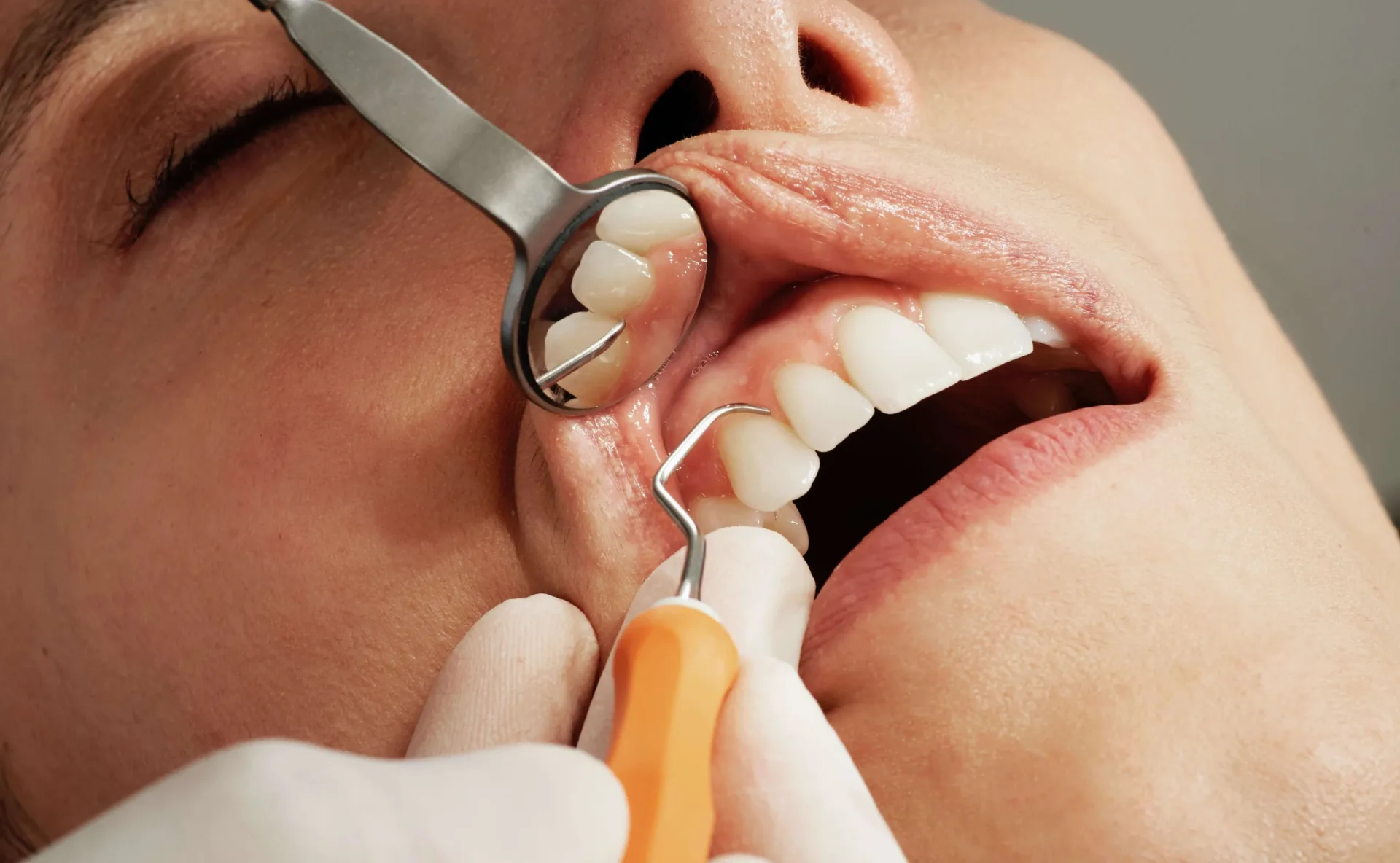
Dental Check-Ups often feel like one of those tasks that can be postponed without immediate consequences. In daily life, teeth usually do not demand attention unless pain appears, which creates the illusion that everything is fine. This perception, however, hides a more complex reality shaped by biology, habits, and time.
Skipping routine dental visits is rarely a conscious decision to neglect health. More often, it is the result of busy schedules, financial concerns, or the belief that brushing and flossing alone are enough. Yet Dental Check-Ups exist precisely because many oral changes develop quietly, without obvious symptoms. What cannot be seen or felt still continues to evolve beneath the surface.
Modern dentistry increasingly frames oral health as a long term process rather than a reaction to problems. Regular observation allows patterns to be noticed early, before they become disruptive. When these observations are missed, small changes can gradually turn into larger issues that feel sudden, even though they have been forming for years.
This article explores why avoiding Dental Check-Ups carries hidden risks. Instead of focusing on instructions or advice, it looks at the biological, psychological, and social dimensions behind routine dental visits and what happens when they are ignored.
How Dental Check-Ups Act as Early Detection Tools
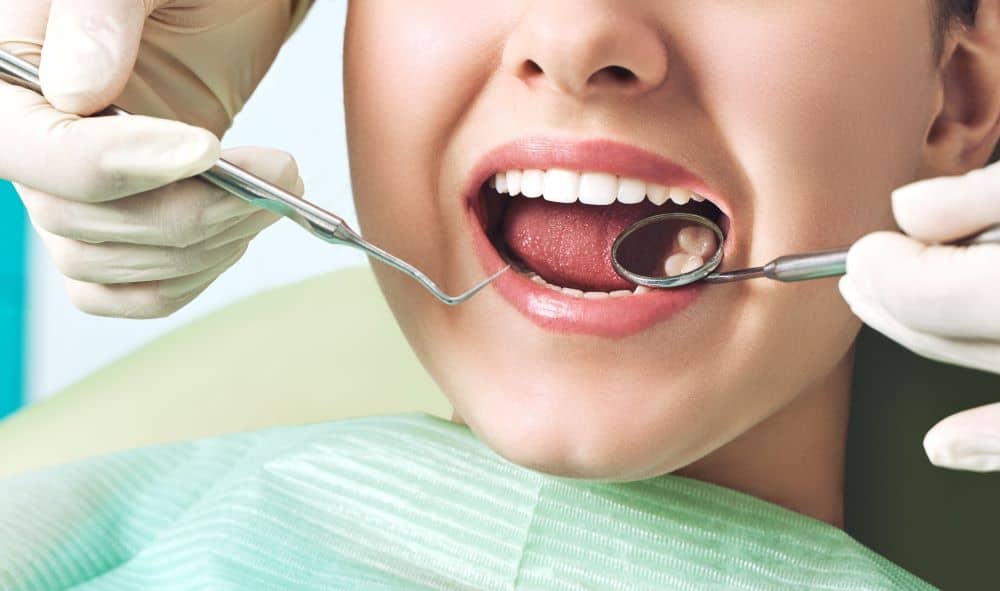
At a basic level, Dental Check-Ups function as a monitoring system. Teeth, gums, and surrounding tissues constantly respond to bacteria, pressure, and lifestyle habits. Many of these responses are subtle and invisible without trained observation. Early stage cavities, for example, often develop beneath the surface enamel. They may not cause discomfort until they reach deeper layers. During Dental Check-Ups, these changes can be noticed through visual inspection or imaging, long before pain appears. Without that check, the process continues unnoticed. The same principle applies to gum health. Mild inflammation may not feel alarming, yet it can signal deeper changes in how tissues respond to plaque and bacteria. Regular check-ups provide snapshots over time, allowing comparisons that reveal progression rather than isolated moments. From a broader perspective, Dental Check-Ups create continuity. Instead of isolated problem solving, they establish a timeline. This timeline helps explain why something looks the way it does today and how it might evolve tomorrow.The Biological Consequences of Skipping Dental Check-Ups
The mouth is an ecosystem. Bacteria, saliva, enamel, and soft tissues interact constantly. When Dental Check-Ups are skipped, imbalances within this system may go unnoticed until they reach advanced stages. Plaque buildup is one example. Even with consistent home care, certain areas are difficult to clean effectively. Over time, plaque hardens and alters the local environment. Without periodic professional evaluation, these changes continue quietly. Another biological factor involves bite and pressure. Teeth shift subtly throughout life. Small alignment changes can redistribute forces during chewing. During Dental Check-Ups, these patterns can be observed before they contribute to uneven wear or stress on specific teeth. Biology rarely works in sudden jumps. It moves gradually. Skipping check-ups removes opportunities to observe these gradual shifts, allowing them to compound into more complex outcomes.Dental Check-Ups and the Psychology of Delay
Avoiding Dental Check-Ups is not only a physical issue, but also a psychological one. Many people delay appointments because they associate them with discomfort, judgment, or inconvenience. This avoidance creates a feedback loop. When visits are delayed, the fear of discovering a problem grows. This fear then reinforces further avoidance. Over time, the gap between visits widens, increasing uncertainty. Ironically, this psychological barrier often becomes stronger than any physical issue. Research in behavioral health suggests that routine appointments reduce anxiety through familiarity. Dental Check-Ups that happen regularly tend to feel predictable. When skipped for long periods, unpredictability increases, making return visits feel more intimidating. Understanding this psychological dimension helps explain why skipping check-ups is common, yet risky. It is less about negligence and more about how humans respond to uncertainty and anticipation.Hidden Costs of Ignoring Dental Check-Ups
The word cost is often associated with finances, but Dental Check-Ups influence cost in multiple ways. Financial, time related, and emotional costs all intersect when routine monitoring is skipped. Financially, minor issues that go unnoticed can evolve into more complex procedures. While no outcome is guaranteed, the pattern of escalation is well documented. Small interventions generally require less time and fewer resources than advanced treatments. Time is another hidden cost. Addressing advanced problems often demands multiple visits, recovery periods, and adjustments to daily routines. What seemed like saving time by skipping check-ups may result in greater disruption later. Emotionally, unexpected dental problems can create stress and frustration. Regular Dental Check-Ups reduce surprise. They replace sudden discoveries with gradual awareness, which many people find easier to manage.Dental Check-Ups as a Reflection of Overall Health Awareness
Oral health does not exist in isolation. Dental Check-Ups increasingly reflect broader health awareness. Dentists often notice signs that relate to nutrition, stress, or systemic conditions, even without making diagnoses. Changes in gum tissue, enamel wear, or oral dryness can sometimes mirror lifestyle patterns. While Dental Check-Ups are not medical screenings, they provide context. This context helps individuals understand how daily habits manifest physically. Skipping these visits removes one layer of feedback. Without it, connections between behavior and outcome may be harder to recognize. Regular check-ups act as reminders that health is cumulative, shaped by small, repeated choices. This perspective reframes Dental Check-Ups not as isolated events, but as part of a broader self observation process.Social Perceptions and Dental Check-Ups
Social attitudes toward Dental Check-Ups also influence behavior. In many cultures, dental visits are framed as reactive rather than preventive. People often say they will go when something hurts. This mindset affects how dental care is prioritized. Routine check-ups may be seen as optional, while emergency visits are viewed as necessary. Over time, this cultural framing reinforces delayed action. Interestingly, perceptions are slowly shifting. Preventive care is becoming more visible in conversations about wellness. Dental Check-Ups are increasingly discussed as part of maintenance rather than repair. Understanding these social dynamics explains why skipping check-ups is normalized, even though the risks are real. Culture shapes habits just as strongly as knowledge does.Why Skipping Dental Check-Ups Feels Harmless at First
One reason Dental Check-Ups are often skipped is that the consequences are not immediate. Teeth do not always send warning signals early. This delay creates a false sense of security. When months or years pass without noticeable problems, skipping appointments feels justified. The absence of symptoms reinforces the belief that nothing is wrong. Unfortunately, many dental issues progress silently during this phase. This delayed feedback is what makes skipping check-ups particularly risky. The cause and effect are separated by time, making the connection harder to recognize. By the time discomfort appears, the opportunity for early observation has already passed. This is why Dental Check-Ups are often appreciated only in hindsight.Dental Check-Ups and Long Term Oral Stability
Dental Check-Ups play a subtle but important role in maintaining long term oral stability. Teeth are not static structures. They respond to pressure, aging, and changes in surrounding bone and gum tissue. Over years, even small shifts can influence how the entire mouth functions. Without periodic evaluation, these slow changes remain unnoticed. Bite patterns may adjust unevenly, leading to wear in specific areas. During routine check-ups, these patterns can be identified early, not as problems but as trends. Seeing trends over time allows a clearer understanding of how stability develops or weakens. Long term stability is not about perfection. It is about balance. Dental Check-Ups help maintain that balance by offering continuity. Each visit adds context to the previous one, creating a broader picture rather than isolated snapshots.The Relationship Between Dental Check-Ups and Gum Health
Gum tissue is often overlooked because it rarely causes immediate discomfort. However, Dental Check-Ups frequently focus on gum condition precisely because early changes are easy to miss without examination. Minor inflammation may not be painful, yet it reflects how tissues respond to bacteria and daily habits. When check-ups are skipped, these subtle responses may progress silently. Over time, gum structure can change in ways that affect tooth support. Another important aspect is measurement. Gum pockets and tissue levels are tracked over time during Dental Check-Ups. These measurements create reference points. Without them, it becomes difficult to know whether changes are recent or long standing. Gum health is closely tied to overall oral stability. Regular observation helps maintain awareness of that connection.Dental Check-Ups and Wear Patterns on Teeth
Teeth naturally experience wear from chewing, speaking, and grinding. Dental Check-Ups help identify whether this wear follows a normal pattern or indicates imbalance. Some wear patterns develop gradually and remain unnoticed until they affect appearance or function. Flattened surfaces, micro cracks, or uneven edges often appear slowly. During routine visits, these signs can be observed before they feel significant. Wear is not always harmful, but excessive or uneven wear may suggest underlying habits or bite dynamics. Dental Check-Ups provide a structured way to notice these details over time, rather than reacting once damage becomes obvious. This observational role makes check-ups valuable even when no pain or discomfort exists.The Impact of Skipping Dental Check-Ups on Oral Awareness
Awareness is one of the least discussed benefits of Dental Check-Ups. Regular visits keep oral health present in the mind, even between appointments. When check-ups are skipped, attention often shifts away from dental habits altogether. This reduced awareness can influence daily routines. Brushing technique, flossing consistency, and dietary choices may slowly change without conscious intention. Over time, these small shifts can affect oral conditions. Routine check-ups act as reminders rather than interventions. They reconnect individuals with their oral health status and reinforce observation rather than reaction. Skipping them does not just remove professional input. It also weakens personal awareness, making it harder to notice subtle changes independently.Dental Check-Ups and the Illusion of Self Assessment
Many people rely on self assessment to decide whether Dental Check-Ups are necessary. If there is no pain, no visible issue, and no discomfort, it feels logical to delay a visit. However, self assessment has limitations. The mouth is not fully visible without tools, and sensation does not always reflect condition. Early cavities, internal cracks, or tissue changes may exist without clear signals. Professional check-ups complement self awareness rather than replace it. Dental Check-Ups provide perspectives that are difficult to achieve alone. Skipping them increases reliance on incomplete information. This illusion of accuracy is one of the hidden risks. Confidence in self assessment may delay discovery of changes that would otherwise be noticed earlier.Dental Check-Ups as Part of Preventive Culture
Preventive culture emphasizes observation, maintenance, and timing. Dental Check-Ups fit naturally into this mindset, even though they are often misunderstood as reactive. In preventive models, the goal is not to avoid problems entirely, but to understand their development. Regular check-ups support this by creating checkpoints rather than emergency responses. Skipping these checkpoints shifts the approach from preventive to reactive. Issues are addressed only when they become noticeable. This shift changes not just outcomes, but also emotional responses to dental care. By maintaining routine check-ups, oral health becomes a managed process instead of a series of unexpected events.Why Dental Check-Ups Feel Optional in Modern Life
In fast paced lifestyles, Dental Check-Ups can feel less urgent than other responsibilities. Work, family, and daily obligations often take priority. Because oral issues rarely interrupt daily function immediately, they are easy to postpone. This sense of optionality is reinforced by the absence of immediate consequences. Unlike acute illness, dental changes often develop quietly. The lack of urgency creates a false hierarchy of importance. Understanding this dynamic explains why skipping check-ups is common, not careless. It reflects how humans prioritize visible and immediate concerns over gradual ones. Recognizing this pattern helps reframe Dental Check-Ups as part of long term planning rather than short term problem solving.Dental Check-Ups and the Cost of Delayed Awareness
One of the less visible consequences of skipping Dental Check-Ups is the cost of delayed awareness. This cost is not always financial. It can involve time, attention, and emotional energy once an issue becomes noticeable. When small changes go unobserved, they often demand more focus later. What might have been a simple observation turns into a complex situation requiring deeper involvement. This shift changes how oral health is experienced, from routine monitoring to problem oriented attention. Dental Check-Ups help distribute awareness over time. Instead of concentrating concern into a single moment, they spread observation across multiple visits. This gradual approach reduces intensity and supports a calmer relationship with dental health.The Psychological Comfort of Regular Dental Check-Ups
Beyond physical observation, Dental Check-Ups contribute to psychological comfort. Knowing that oral conditions are being monitored can reduce background worry, even when no issues are present. This comfort comes from continuity. Each visit confirms that nothing significant has changed or helps contextualize minor differences. Over time, this builds trust in the process rather than dependence on symptoms. When check-ups are skipped, uncertainty increases. Small sensations may feel more alarming because there is no recent reference point. Regular Dental Check-Ups provide that reference, grounding perception in observation rather than assumption.
Dental Check-Ups and the Narrative of Oral Health
Oral health is often treated as a series of isolated events. A cavity here, sensitivity there. Dental Check-Ups shift this narrative toward continuity. Each visit adds a chapter rather than a reaction. Changes are seen as part of a progression instead of sudden disruptions. This narrative perspective helps people understand their mouth as a dynamic system rather than a static object. By skipping check-ups, the story becomes fragmented. Events appear disconnected, making it harder to see patterns or causes. Dental Check-Ups reconnect those pieces into a coherent timeline.How Dental Check-Ups Support Informed Decision Making
Decisions about oral care are easier when information accumulates over time. Dental Check-Ups provide that accumulation. Measurements, images, and observations form a baseline against which future changes can be compared. Without this baseline, decisions rely more heavily on guesswork. When something feels different, it is difficult to know whether the change is recent or long standing. This uncertainty complicates choices. Regular check-ups reduce ambiguity. Dental Check-Ups offer context, allowing decisions to feel informed rather than reactive. This does not guarantee outcomes, but it improves clarity.Dental Check-Ups and the Risk of Normalizing Discomfort
A subtle risk of skipping Dental Check-Ups is the normalization of discomfort. Minor sensitivity, occasional bleeding, or slight pressure can slowly become part of daily experience. When changes happen gradually, the mind adapts. What once felt unusual begins to feel normal. This adaptation can delay recognition of meaningful shifts. Routine check-ups interrupt this process. Dental Check-Ups reset perception by providing an external viewpoint. They help distinguish between normal variation and developing patterns.Dental Check-Ups as a Long Term Perspective
In the broader view, Dental Check-Ups represent a long term perspective on oral health. They are not about immediate fixes or guarantees. They are about observation, continuity, and understanding. Skipping them does not automatically lead to problems, but it narrows perspective. It replaces gradual awareness with sudden realization. This shift changes how oral health is experienced over time. The hidden danger is not a single missed appointment. It is the gradual loss of context. Dental Check-Ups restore that context, keeping oral health connected to time, change, and awareness rather than surprise.Get Your Free Consultation
Have questions? Leave your details and we'll get back to you as soon as possible.
Get Free Consultation