
Choosing the right toothbrush may seem like a minor detail in daily life, but it plays a surprisingly significant role in maintaining overall oral hygiene. From the removal of plaque and food debris to preventing gum irritation and enamel wear, the type of bristle you use can influence the long-term health of your teeth and gums. Dentists, dental researchers, and oral care enthusiasts have long debated the merits and drawbacks of hard versus soft bristles, examining their effectiveness, safety, and adaptability to different dental conditions. Beyond personal preference, understanding the science behind toothbrush design, bristle stiffness, and brushing mechanics is essential for making an informed choice that supports both cleanliness and oral comfort.
Understanding the Basics of a Toothbrush
A toothbrush is not just a daily hygiene tool; it is a sophisticated instrument designed to remove plaque, food particles, and bacteria from your teeth and gums. While materials, bristle patterns, and handle designs vary, the bristle stiffness—hard, medium, or soft—plays a key role in cleaning effectiveness and oral safety. Studies suggest that while harder bristles may seem more efficient in scrubbing away debris, they can also cause micro-abrasions on enamel or irritate sensitive gums. On the other hand, soft bristles are gentle and adapt better to the curves of teeth, but they may require more meticulous brushing technique to achieve similar cleaning results.Hard Toothbrushes: Pros and Cons
Hard toothbrushes have been traditionally marketed for their robust cleaning power. Their bristles can provide more aggressive plaque removal, which may seem advantageous for people with heavily stained teeth. However, research from dental journals indicates potential risks. Hard bristles can erode enamel over time, especially if brushing technique is forceful. They may also contribute to gum recession in vulnerable individuals. Despite these drawbacks, some users appreciate their durability and ability to clean orthodontic appliances effectively.| Feature | Advantage | Risk |
| Hard bristles | Strong plaque removal | Enamel abrasion, gum irritation |
| Durability | Lasts longer | May require careful technique |
| Orthodontics | Effective for braces | Harder to maneuver in tight spaces |
Soft Toothbrushes: Why Dentists Often Recommend Them
Soft toothbrushes are frequently suggested by dental professionals due to their gentle impact on teeth and gums. These bristles flex easily, reducing the risk of enamel wear or gum damage while still removing plaque effectively if brushing duration and technique are correct. Soft brushes are particularly suited for sensitive teeth, receding gums, and post-dental surgery care. Interestingly, a 2022 study in the Journal of Clinical Dentistry demonstrated that soft bristles, combined with proper brushing motion, are as effective as hard bristles in preventing cavities and gum inflammation over six months.Brushing Techniques Matter More Than Bristle Hardness
Regardless of whether you choose a hard or soft toothbrush, technique is paramount. Proper brushing involves gentle circular motions, coverage of all surfaces, and brushing for at least two minutes twice a day. Applying excessive force, even with a soft brush, can lead to enamel erosion. Dentists recommend angling the brush at 45 degrees to the gum line and using light pressure. This ensures plaque removal without damaging the teeth. Studies highlight that people often mistakenly equate bristle stiffness with cleaning efficiency, ignoring technique entirely.Special Considerations: Dental Conditions and Toothbrush Choice
Selecting the right toothbrush also depends on personal dental conditions. People with sensitive teeth, gingivitis, or enamel erosion benefit more from soft bristles, while those with healthy gums but stubborn plaque might prefer medium or firm options. Some modern toothbrushes offer hybrid bristles, combining soft and firm textures in one head. These designs aim to maximize plaque removal while minimizing enamel wear. Additionally, electric toothbrushes provide consistent motion and may reduce the need for hard bristles altogether.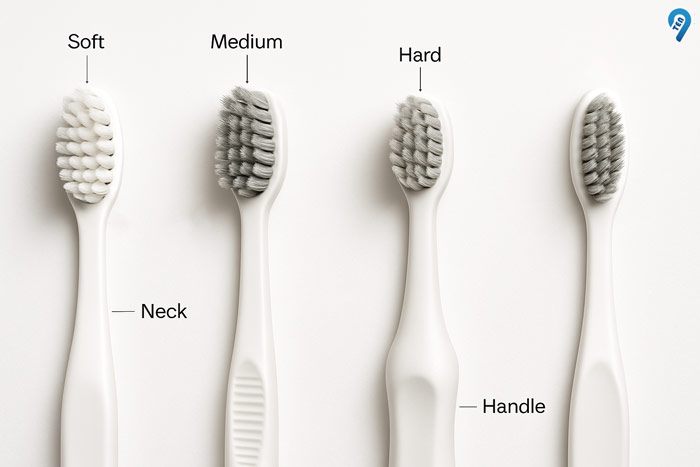
Myths and Misconceptions About Toothbrush Hardness
There are several myths surrounding toothbrushes. One common belief is that harder bristles clean better. In reality, multiple studies confirm that soft bristles, when used correctly, can achieve the same results without harming the teeth. Another misconception is that replacing brushes frequently only matters for hygiene. While it is true that worn bristles lose effectiveness, replacing a brush every three months also helps maintain proper bristle stiffness and structure for optimal cleaning.Choosing the Right Toothbrush for You
In conclusion, both hard and soft toothbrushes have their merits, but scientific evidence favors soft bristles for long-term oral health. While hard brushes may provide immediate, vigorous cleaning, the risk of enamel abrasion and gum irritation cannot be ignored. The optimal choice combines soft bristles with proper brushing technique and routine replacement. Remember, a toothbrush is just one part of a comprehensive oral care regimen, which should also include flossing, mouthwash, and regular dental check-ups. By choosing wisely and brushing correctly, you maximize oral hygiene without compromising dental health.Get Your Free Consultation
Have questions? Leave your details and we'll get back to you as soon as possible.
Get Free Consultation