

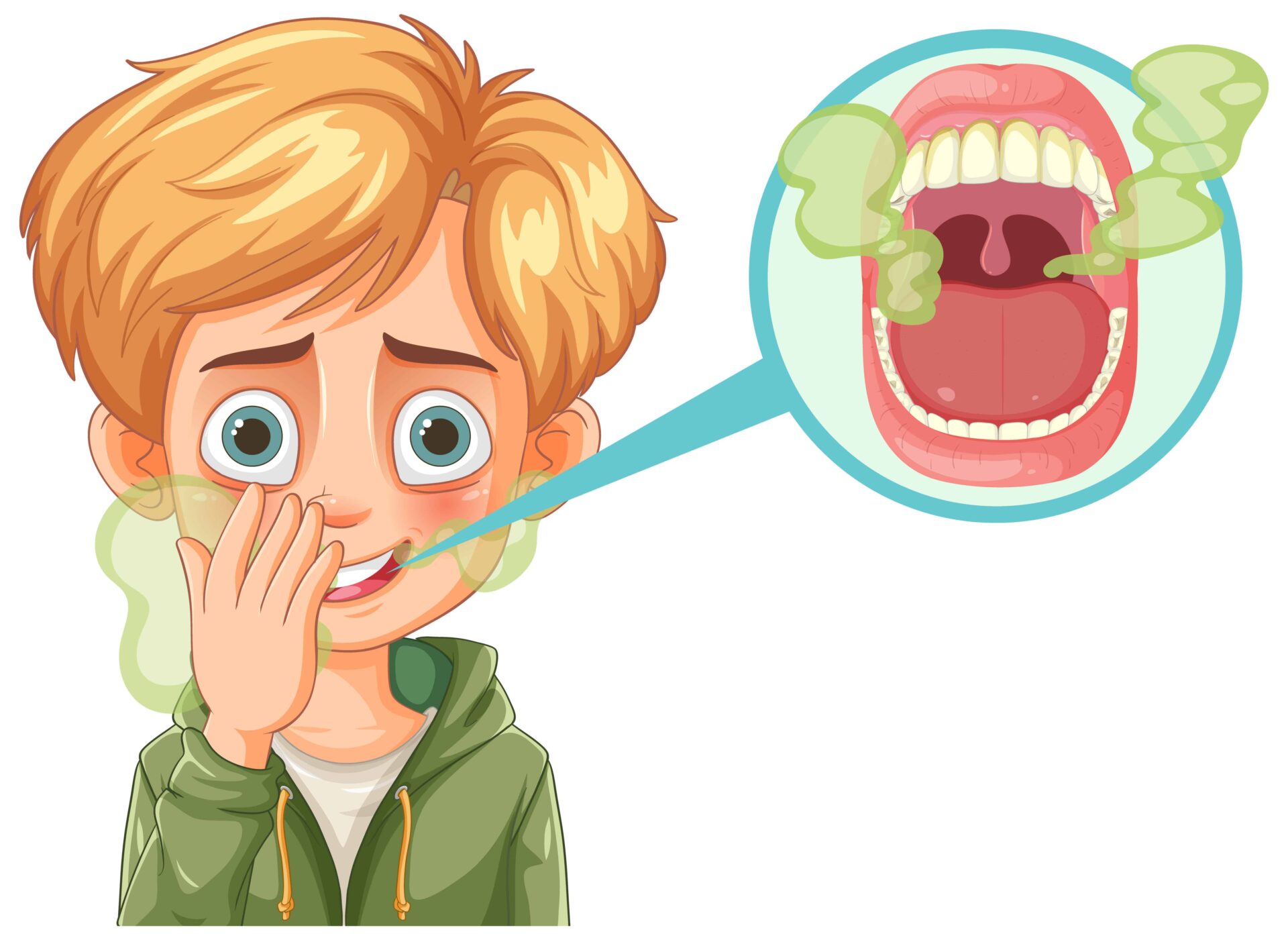
Halitosis, commonly known as bad breath, is a prevalent issue affecting millions worldwide. At Clinic Hi, we recognize the curiosity and concern surrounding halitosis. Understanding its causes, from quick fixes to long-term prevention, and knowing when to consult a doctor, can make a significant difference. Whether it's temporary morning breath or chronic malodor, identifying the root causes and implementing effective strategies can dramatically improve oral health and confidence.
What Is Halitosis? (Halitosis Meaning)
Halitosis is not just a social inconvenience; it’s a medical condition characterized by persistent unpleasant odor in the breath. While occasional bad breath is normal, chronic halitosis often signals underlying oral or systemic issues. Studies suggest that up to 90% of cases originate in the oral cavity, while the remaining are linked to respiratory, gastrointestinal, or metabolic conditions.
Etymologically, the term comes from Latin: halitus meaning “breath” and osis indicating a pathological condition. Across cultures, halitosis has been recognized for centuries, from ancient Greek texts to Ayurvedic medicine, which emphasizes tongue scraping as a preventive measure.
Why Breath Smells: The Science in One Minute
The primary culprits behind foul breath are volatile sulfur compounds (VSCs), produced by anaerobic bacteria in the mouth. These compounds, such as hydrogen sulfide and methyl mercaptan, have potent, often offensive odors. In addition, other bacterial metabolites, including amines and short-chain fatty acids, contribute to the complexity of halitosis.
Beyond bacteria, certain foods (garlic, onions), medications, and systemic conditions alter the oral microbiome and salivary composition. Understanding this biochemical landscape is crucial for both immediate fixes and long-term strategies.
Advanced Biochemistry of Halitosis
From a molecular perspective, halitosis results from intricate interactions between host proteins, bacterial enzymes, and the oral environment. Key factors include:
-
Protein degradation: Sulfur-containing amino acids in saliva and epithelial cells are metabolized into VSCs.
-
Biofilm activity: Plaque and tongue coatings harbor bacteria that perpetuate odor.
-
Saliva composition: Reduced salivary flow enhances bacterial growth and VSC production.
Emerging research indicates that halitosis is not just an oral issue; it may correlate with systemic inflammation, diabetes, and gut microbiota imbalances, highlighting the importance of holistic oral health care.

Top Halitosis Causes (Oral & Extraoral)
A) Oral Causes (≈80–90% of cases)
Most cases of halitosis stem from oral factors:
-
Tongue coating: The dorsal surface of the tongue accumulates desquamated cells and bacteria.
-
Periodontal disease: Gum inflammation and pockets harbor anaerobes producing VSCs.
-
Dental caries: Cavities act as reservoirs for bacteria.
-
Poor oral hygiene: Inadequate brushing and flossing promote bacterial growth.
-
Dry mouth (xerostomia): Reduced saliva decreases natural cleansing and buffering.
B) Extraoral Causes (less common, but important)
Non-oral contributors include:
-
Respiratory infections: Tonsillitis, sinusitis, and bronchitis may release malodorous compounds.
-
Gastrointestinal issues: GERD, H. pylori infection, and certain diets influence breath odor.
-
Metabolic conditions: Diabetes (ketosis), liver, and kidney diseases can manifest as distinctive halitosis.
Clinical Note: Breath testing in medicine, including portable sulfide monitors and gas chromatography, helps quantify VSC levels and differentiate oral versus systemic causes.
How to Remove Halitosis Today
Immediate remedies for halitosis focus on reducing surface bacterial load and neutralizing VSCs:
-
Tongue scraping: Removes bacterial biofilm from the tongue.
-
Brushing & flossing: Targets teeth and gums to reduce bacterial substrates.
-
Hydration & saliva stimulation: Chewing sugar-free gum enhances saliva flow.
-
Mouthrinses: Antimicrobial rinses with chlorhexidine, cetylpyridinium chloride, or zinc compounds neutralize VSCs.
-
Temporary dietary adjustments: Avoiding pungent foods can reduce odor spikes.
For persistent cases, consulting Clinic Hi specialists can help identify underlying dental issues: Dental Implants in Turkey.
Lasting Results: How to Eliminate & Stop Halitosis Long-Term
Sustainable management of halitosis: causes, fast fixes, long-term prevention involves a structured approach:
1) Dial-In Oral Hygiene
Consistency in brushing twice daily, flossing, and using tongue cleaners drastically reduces bacterial load.
2) Master Dry Mouth
Xerostomia exacerbates odor. Staying hydrated, using saliva substitutes, or sugar-free lozenges helps maintain optimal moisture.
3) Choose the Right Mouthrinse
Mouthwashes containing zinc, essential oils, or antimicrobial agents can suppress VSC-producing bacteria. Rotate products based on tolerance and evidence-based effectiveness.
4) Treat Underlying Dental Problems
Cavities, periodontal pockets, and poorly fitted dental work must be addressed professionally. At Clinic Hi, we provide comprehensive dental evaluations: Contact Us.
5) Manage Tonsils, Sinuses, and Airway
Postnasal drip, sinus infections, or tonsilloliths (tonsil stones) are often overlooked sources. ENT consultations complement oral care for systemic prevention.
6) Nutrition & Lifestyle
Balanced diets rich in fibers and polyphenols promote saliva production and reduce bacterial adhesion. Smoking cessation is critical, as tobacco compounds enhance halitosis.
Professional Diagnosis: How Dentists Measure Halitosis
Modern dental practices quantify halitosis through:
-
Organoleptic scoring: Subjective smell assessment by trained clinicians.
-
VSC detection devices: Portable sulfide monitors give objective readings.
-
Gas chromatography: The gold standard for detailed compound analysis.
These methods ensure targeted treatment and track progress over time.
Evidence-Backed Products & Ingredients (What Actually Helps)
Scientific literature supports several interventions:
| Product Type | Active Ingredient | Effect on Halitosis |
|---|---|---|
| Mouthrinse | Chlorhexidine | Reduces bacterial load |
| Toothpaste | Zinc citrate | Neutralizes VSCs |
| Tongue scraper | Stainless steel / plastic | Removes tongue coating |
| Chewing gum | Xylitol | Stimulates saliva, antibacterial |
Routine use of these tools, combined with professional care, maximizes long-term halitosis control.
Daily Routine: A Simple, Breath-Friendly Schedule
-
Morning: Brush, floss, tongue scrape, mouthrinse.
-
Midday: Hydrate, chew sugar-free gum.
-
Evening: Repeat oral hygiene regimen, include antibacterial mouthrinse.
-
Weekly: Inspect tongue and dental surfaces for biofilm or tartar buildup.
Adopting a structured schedule ensures consistency and long-term odor control.
Special Situations
Morning Breath vs. Chronic Halitosis
Morning breath is common and temporary, linked to overnight reduced saliva flow. Chronic halitosis persists despite standard oral hygiene.
Kids & Teens
Hormonal changes, orthodontic appliances, and dietary habits influence adolescent breath. Regular dental check-ups are key.
Adults Wearing Aligners/Retainers
Appliances trap food and bacteria. Cleaning aligners and brushing after meals reduces odor.
Smokers/Vapers
Nicotine and vaping compounds enhance VSC production and dry the mouth, necessitating intensified hygiene.
GERD & Dieting
Acid reflux and ketogenic diets can produce distinctive breath odors; dietary adjustments and medical consultation may be required.
Myths vs. Facts
-
Myth: Bad breath always comes from the stomach.
Fact: Most halitosis originates in the oral cavity. -
Myth: Mouthwash alone cures bad breath.
Fact: Mouthwash helps temporarily but must be paired with comprehensive oral care. -
Myth: Only adults experience chronic halitosis.
Fact: Children and teens are also susceptible due to oral hygiene lapses or ENT issues.
When to See a Professional
Persistent halitosis despite proper oral hygiene warrants professional evaluation. Dentists and ENT specialists at Clinic Hi can determine oral, systemic, or mixed origins and prescribe tailored interventions: Contact Us.
Case Studies & Patient Scenarios
-
Case 1: A 35-year-old patient with persistent bad breath traced to undiagnosed periodontal pockets; professional cleaning and targeted mouthrinse resolved the odor within weeks.
-
Case 2: Teen patient using aligners developed tongue coating–induced halitosis; guided hygiene routine eliminated the problem.
-
Case 3: Adult smoker with chronic halitosis achieved significant improvement after quitting and adopting zinc-based oral care products.
These examples highlight how halitosis: causes, fast fixes, long-term prevention, and professional care intersect in real-world management.
Halitosis is a multi-faceted condition, influenced by oral hygiene, lifestyle, and systemic health. Understanding the science, implementing daily preventive routines, and consulting professionals when needed ensures fresh breath and optimal oral well-being. For those seeking comprehensive care or dental solutions, Clinic Hi provides expert guidance and evidence-based interventions Contact Us.
Get Your Free Consultation
Have questions? Leave your details and we'll get back to you as soon as possible.
Get Free Consultation