
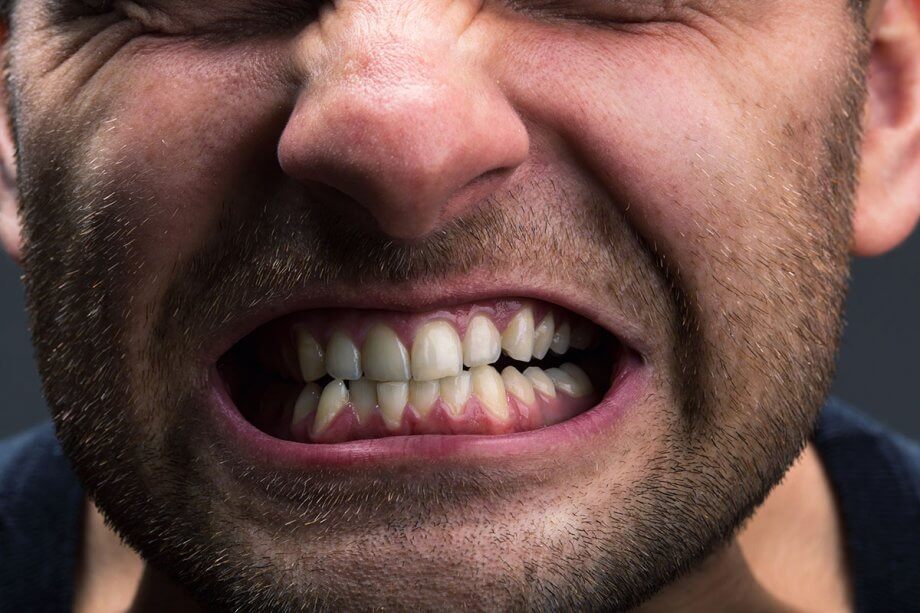
Gritting teeth, or the unconscious clenching and grinding of your teeth, is a surprisingly common phenomenon that can affect anyone, from stressed professionals to sleep-deprived students. While occasional teeth grinding may seem harmless, gritting teeth consistently can indicate underlying issues that warrant attention. In this article, we delve into the subtle and not-so-subtle signs of this condition, exploring its potential causes, long-term effects, and the scientific research behind it.
By carefully observing these indicators and understanding their interconnected nature, individuals can gain valuable insights into the hidden patterns of gritting teeth. Awareness is the first step toward minimizing potential damage and improving overall oral well-being.
Persistent Jaw Pain as a Key Indicator of Gritting Teeth
One of the most noticeable signs of gritting teeth is persistent jaw discomfort. Individuals may experience tension in the temporomandibular joint (TMJ), sometimes accompanied by clicking or popping sounds. This discomfort often intensifies in the morning, hinting at nighttime grinding patterns that many people aren’t even aware of. Recent studies highlight that chronic jaw pain can correlate with sleep bruxism, the technical term for nighttime teeth grinding. Researchers observed that repeated microtrauma to jaw muscles can lead to inflammation, causing both tenderness and stiffness. While occasional soreness is common after stressful days, persistent pain that lasts weeks or months could indicate a habitual pattern of gritting teeth.Tooth Wear and Damage Linked to Gritting Teeth
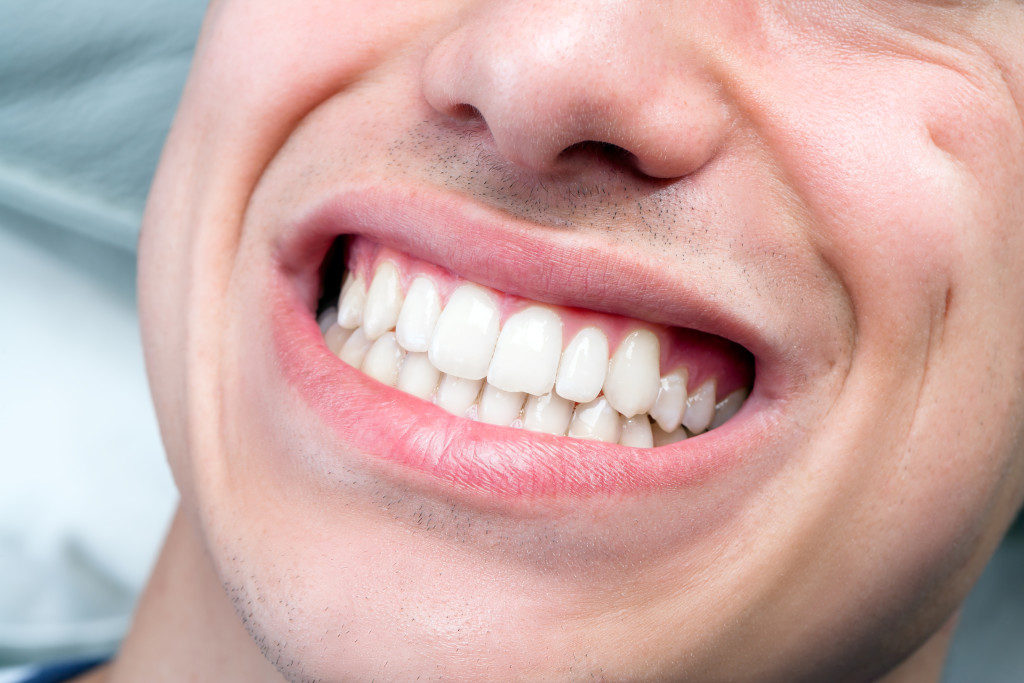
Another clear sign to watch is visible wear on the teeth. Grinding exerts immense pressure, sometimes exceeding the force of normal chewing by five to ten times. This can lead to flattened surfaces, chipped enamel, or even small cracks that may compromise dental integrity. Dental examinations often reveal patterns of attrition unique to habitual grinders. These include tiny fractures along enamel ridges, increased sensitivity, and, in severe cases, shortening of tooth crowns. Research in dental journals suggests that early detection of such wear is critical because it allows interventions before more serious complications arise. Regular check-ups and close observation are recommended, even if the grinding seems minor.Headaches and Facial Pain as Early Warnings
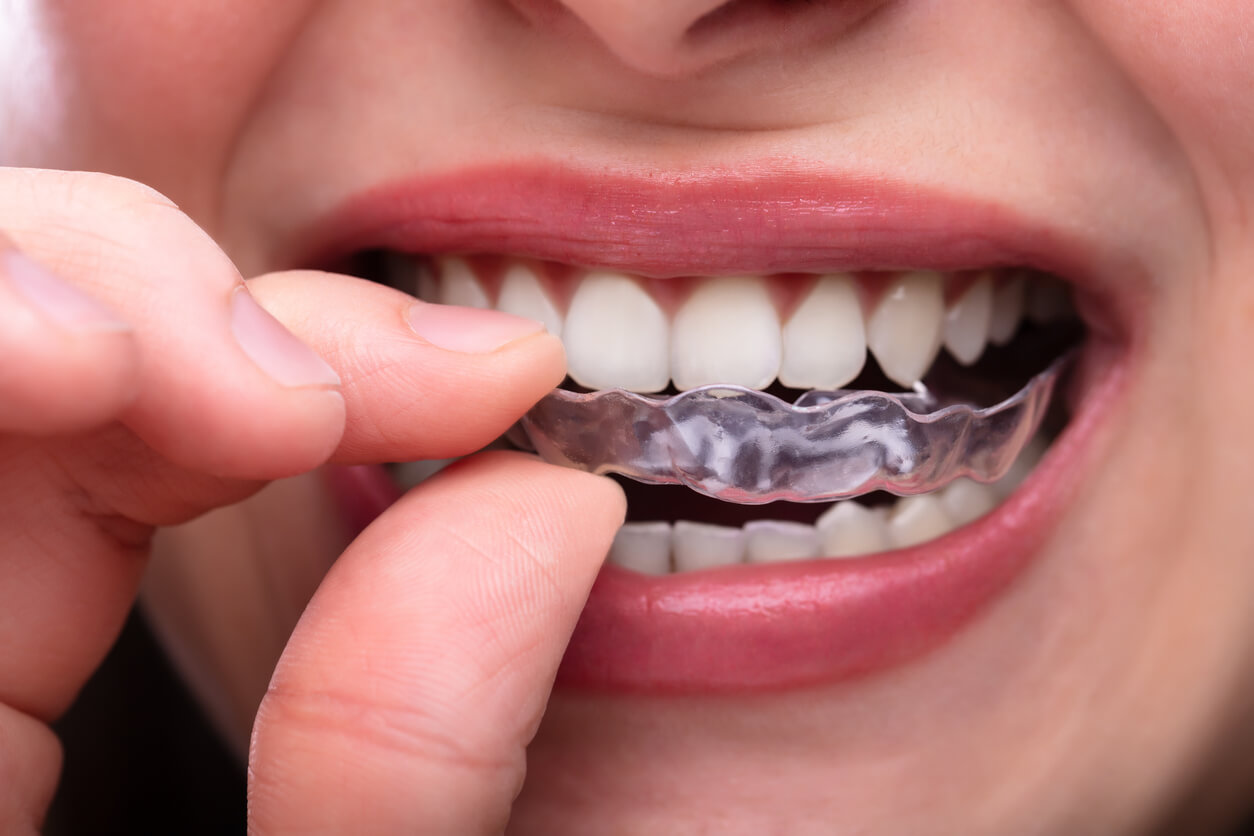
Frequent headaches, particularly in the temples, can be surprisingly linked to gritting teeth. The repetitive contraction of jaw muscles can radiate tension upward, causing tension-type headaches that can mimic migraines. Studies exploring craniofacial pain indicate that bruxism-induced headaches may not respond well to conventional painkillers alone. Instead, addressing the underlying grinding behavior is often necessary. Patients sometimes report relief when they consciously relax the jaw or use occlusal appliances at night. This correlation highlights how interconnected muscular and neurological factors are when it comes to gritting teeth.Sleep Disturbances and Their Connection to Gritting Teeth
Sleep problems are often an overlooked sign of gritting teeth. Individuals who grind at night may experience frequent awakenings, restless sleep, or even morning fatigue. Research indicates that bruxism is closely linked to sleep arousal patterns and stress hormones, creating a cycle where disrupted sleep exacerbates grinding. Interestingly, sleep studies have shown that micro-awakenings, often imperceptible to the sleeper, coincide with teeth clenching episodes. This suggests that gritting teeth may not only disrupt your oral health but also impair overall sleep quality. Over time, these disturbances can affect cognitive performance and mood, highlighting why understanding nocturnal grinding is important.Ear Pain and Tinnitus Related to Gritting Teeth
Chronic gritting teeth can also manifest as ear-related symptoms. Earaches, pressure, or even mild tinnitus (ringing in the ears) are sometimes reported by habitual grinders. This occurs because the temporomandibular joint is located near the ear canal, and tension in surrounding muscles can transmit pain signals to the auditory system. A study in craniofacial research demonstrated that patients with severe bruxism often reported intermittent tinnitus. While it is not a direct cause of hearing loss, the association underscores the far-reaching effects of persistent gritting teeth. Recognizing these less obvious symptoms can prevent unnecessary misdiagnoses and help direct attention to the root cause.Stress and Anxiety as Hidden Triggers
Stress is a major driver of gritting teeth, although it doesn’t always present with obvious symptoms. People under chronic stress or anxiety may unconsciously tighten their jaws, especially during periods of high cognitive load. Psychological studies confirm that bruxism prevalence rises significantly in populations experiencing prolonged stress, highlighting a psychophysiological connection. Moreover, stress-induced grinding can feed a cycle: the discomfort caused by clenching further increases stress, perpetuating the behavior. Techniques such as mindfulness, biofeedback, and cognitive-behavioral strategies are often explored in research as adjunct methods for reducing grinding frequency, though results vary individually.Unusual Dental Sensitivity and Its Implications
Increased sensitivity to hot, cold, or sweet foods may also signal gritting teeth. Enamel erosion from repeated grinding exposes dentin, making teeth more reactive. Dental literature emphasizes that even subtle grinding can gradually reduce enamel thickness, creating long-term consequences if left unaddressed. Some studies suggest that toothpastes formulated for sensitive teeth and night guards can provide temporary relief, but identifying gritting teeth as the underlying cause remains essential. Regular dental evaluations and self-monitoring are critical steps in mitigating enamel damage and preventing further complications.Behavioral Signs and Habits Linked to Gritting Teeth
Certain daily behaviors may also reveal habitual gritting teeth. Nail-biting, pen-chewing, and jaw clenching during concentrated tasks are often subtle indicators. Behavioral research shows that repetitive oral habits can reinforce bruxism patterns, especially under stress. Awareness of these small habits can be instrumental in identifying gritting teeth early. Some experts recommend keeping a diary of stress events and oral behaviors to correlate patterns, which may guide behavioral interventions before structural damage occurs.
When to Seek Professional Advice
While this article is purely informational and not a substitute for medical consultation, persistent signs of gritting teeth warrant attention. Dentists often evaluate wear patterns, jaw tension, and related symptoms to determine if intervention is needed. Professional assessments may include bite analysis, imaging, and muscle palpation to understand the extent of the impact. Early recognition can help prevent irreversible enamel damage, chronic pain, or temporomandibular joint disorders.Understanding and Monitoring Gritting Teeth
In summary, gritting teeth is more than a minor annoyance. From jaw pain, tooth wear, and sleep disturbances to stress-induced behaviors and subtle ear-related symptoms, the signs are diverse and often interlinked. Scientific evidence underscores the complexity of bruxism, linking muscular, neurological, and psychological factors. Being aware of the five key indicators persistent jaw pain, tooth wear, headaches, sleep disturbances, and behavioral triggers provides a framework for understanding this condition. Observing your own habits, monitoring symptoms, and consulting dental professionals when necessary are prudent strategies for mitigating long-term effects. Table: Key Signs of Gritting Teeth and Potential Effects| Sign | Potential Effect | Observational Tip |
| Jaw Pain | TMJ inflammation, tenderness | Morning stiffness, clicking |
| Tooth Wear | Enamel erosion, cracks | Flattened surfaces, sensitivity |
| Headaches | Tension-type headaches | Temple pain, morning headaches |
| Sleep Disturbances | Fatigue, restless sleep | Nighttime awakenings, snoring |
| Behavioral Habits | Habit reinforcement | Nail-biting, pen-chewing |
Get Your Free Consultation
Have questions? Leave your details and we'll get back to you as soon as possible.
Get Free Consultation