

Can I Eat Chicken After Dental Implant Surgery?
Undergoing a Dental Implant procedure often brings up practical, everyday questions, and one of the most common is about diet. After a Dental Implant, food choices can feel confusing, especially when it comes to protein-rich options like chicken. While it may seem like a simple yes or no question, the reality is more nuanced and depends on healing stages, food preparation, and individual recovery responses.
Understanding Recovery After Dental Implant Surgery
A Dental Implant involves placing a titanium post into the jawbone, initiating a biological process known as osseointegration. During this period, the bone gradually fuses with the implant surface, creating a stable foundation for a prosthetic tooth. This phase is delicate and influenced by multiple factors, including nutrition. In the early days after a Dental Implant, the surgical site remains sensitive. Soft tissue healing occurs first, followed by deeper bone integration. Because of this layered recovery process, dietary texture plays a significant role. Hard, fibrous, or chewy foods may introduce unnecessary pressure on the implant site.Why Diet Matters After Dental Implant Procedures
The role of nutrition after a Dental Implant extends beyond comfort. Scientific observations suggest that adequate protein intake supports tissue repair, while vitamins such as C and D contribute to collagen formation and bone health. However, not all protein sources are equally suitable immediately after a Dental Implant. Chicken, while nutritionally valuable, varies in texture depending on how it is cooked. Grilled or fried chicken may be too tough, whereas boiled or shredded chicken may be more manageable. It is not just about what you eat, but how you eat it. Chewing patterns, bite force, and temperature sensitivity all influence post-operative experience after a Dental Implant.Can You Eat Chicken After Dental Implant Surgery?
The short answer is yes, but timing and preparation are crucial after a Dental Implant. In the first few days, most individuals gravitate toward liquids and pureed foods. During this phase, chicken is typically avoided unless blended into soups. As healing progresses, softer forms of chicken may be introduced. For example:- Boiled chicken that is finely shredded
- Chicken soup with tender pieces
- Steamed chicken with minimal seasoning
Best Ways to Prepare Chicken After Dental Implant Treatment
Preparation methods significantly influence whether chicken is suitable after a Dental Implant. The goal is to minimize chewing effort and avoid irritation.Recommended Cooking Methods
| Cooking Method | Suitability After Dental Implant | Notes |
| Boiled | High | Soft texture, easy to chew |
| Steamed | High | Retains moisture |
| Shredded in soup | Very High | Minimal chewing required |
| Grilled | Low | Can be tough and fibrous |
| Fried | Very Low | Hard exterior, risky for implant site |
Foods to Avoid Alongside Chicken After Dental Implant
Even if chicken is prepared appropriately, it is important to consider the overall meal composition after a Dental Implant. Certain food combinations may increase discomfort or risk. Foods often approached cautiously include:- Crunchy vegetables like raw carrots
- Sticky foods such as caramel
- Extremely hot or spicy dishes
- Hard bread or crusty items
Nutritional Benefits of Chicken in Dental Implant Recovery
Chicken is widely recognized as a lean protein source, making it valuable after a Dental Implant. Protein contributes to tissue regeneration and immune function, both of which are relevant during healing. In addition to protein, chicken contains:- B vitamins that support energy metabolism
- Zinc, which plays a role in wound healing
- Phosphorus, important for bone health
Timeline for Reintroducing Solid Foods After Dental Implant
Recovery after a Dental Implant is often described in phases. While timelines vary, a general progression can help illustrate when chicken might be suitable.Typical Dietary Phases
- Days 1 to 3: Liquids and pureed foods
- Days 4 to 7: Soft foods like yogurt and mashed vegetables
- Week 2 onward: Gradual reintroduction of tender solids, including soft chicken
- After several weeks: More regular diet, depending on comfort
Common Mistakes When Eating After Dental Implant Surgery
Even with careful planning, certain habits may unintentionally affect recovery after a Dental Implant. Some frequently observed issues include:- Chewing on the implant side too early
- Consuming dry chicken without moisture
- Eating too quickly
- Ignoring discomfort signals
Balancing Comfort and Nutrition After Dental Implant
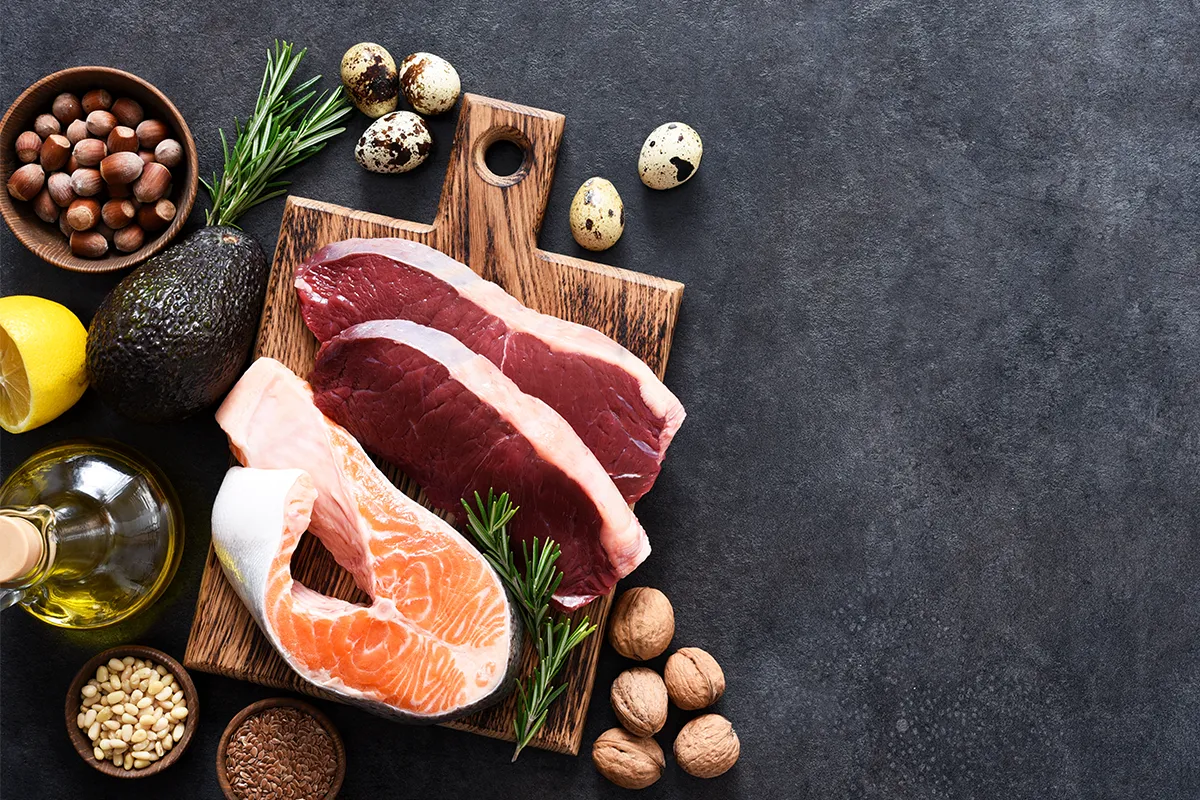
One of the main challenges after a Dental Implant is balancing nutritional needs with physical comfort. While chicken offers clear nutritional benefits, its suitability depends on preparation and timing. Exploring alternatives such as eggs, fish, or plant-based proteins may provide variety during the early stages. As healing progresses, chicken can gradually become a regular part of the diet again after a Dental Implant. The key lies in flexibility. Rather than focusing on strict rules, adapting food choices based on comfort and healing progression often leads to better outcomes.Is Chicken Safe After Dental Implant Surgery?
Chicken can be part of your diet after a Dental Implant, but the way it is prepared and the timing of consumption play critical roles. Soft, moist, and easy-to-chew forms are generally more compatible with the healing process. Understanding the biological stages of recovery, along with the mechanical impact of chewing, helps clarify why certain foods are recommended or avoided after a Dental Implant. By making informed and gradual dietary choices, individuals can support both comfort and recovery without unnecessary restrictions. ClinicHI emphasizes that every Dental Implant experience is unique. Observing your own comfort levels and adjusting accordingly often provides the most reliable guidance.Get Your Free Consultation
Have questions? Leave your details and we'll get back to you as soon as possible.
Get Free Consultation