Sleep apnea is often underestimated, even though its effects ripple far beyond restless nights. While many associate apnea solely with snoring or interrupted sleep, its influence spans cardiovascular health, cognitive function, and overall quality of life. Dental interventions, surprisingly, play a significant role in managing apnea, bridging the gap between traditional medical approaches and personalized patient care. innovations-dental-sleep-apnea-treatments
Understanding Apnea and Its Types
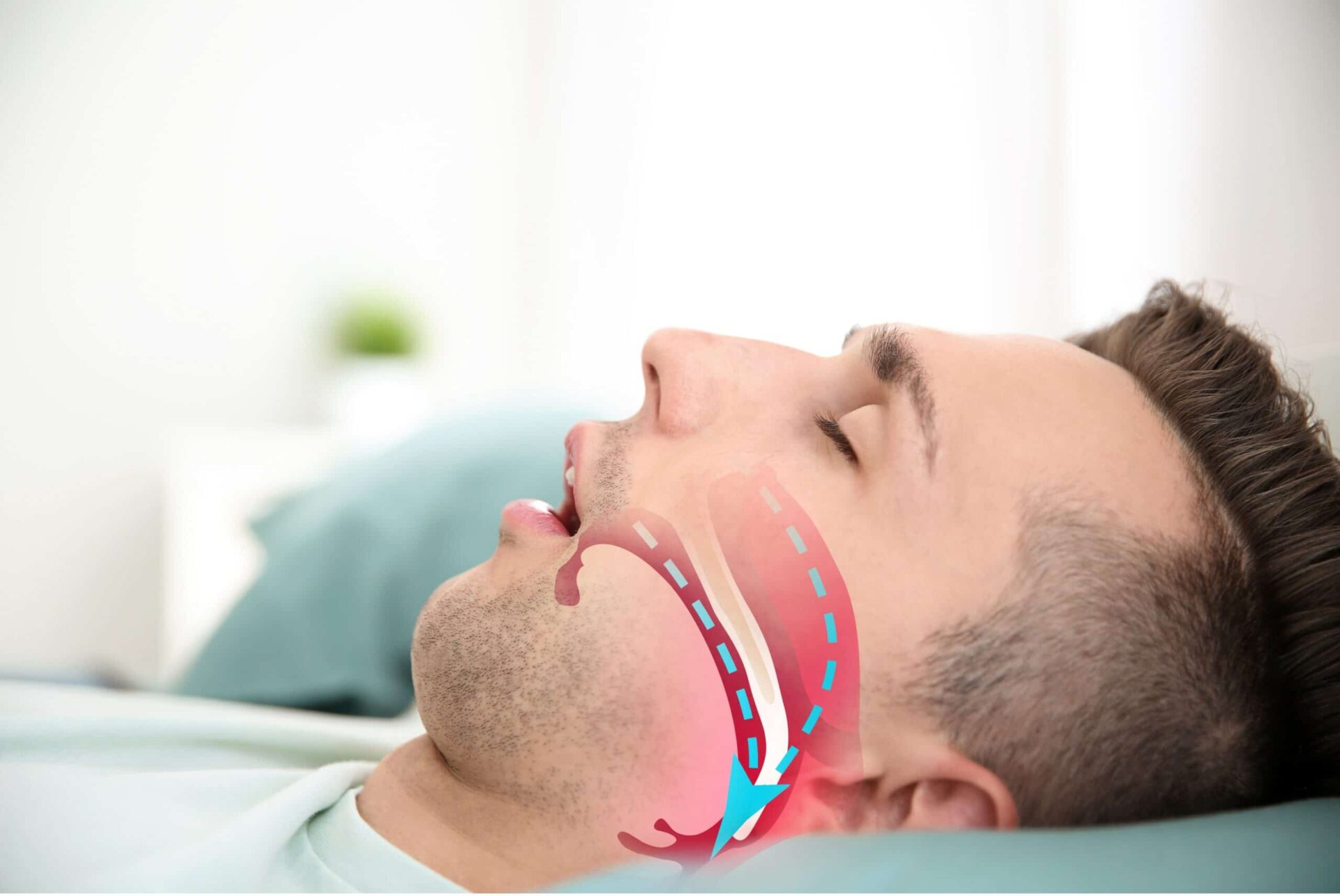
Apnea is defined as a temporary cessation of breathing during sleep, but not all apnea episodes are identical. The two primary categories are obstructive sleep apnea (OSA) and central sleep apnea (CSA). OSA occurs when throat muscles intermittently relax, blocking the airway, whereas CSA arises when the brain fails to signal proper breathing. Dental interventions mainly target OSA, using oral devices to reposition the jaw and tongue, thereby reducing airway obstruction.Studies indicate that over 25 million adults in the U.S. experience some form of apnea, yet the majority remain undiagnosed. This gap underscores the importance of proactive dental evaluations, as oral health specialists can identify early signs of airway compromise, such as jaw misalignment, teeth grinding, or specific oral cavity shapes that correlate with increased apnea risk.
How Dental Devices Assist in Apnea Management
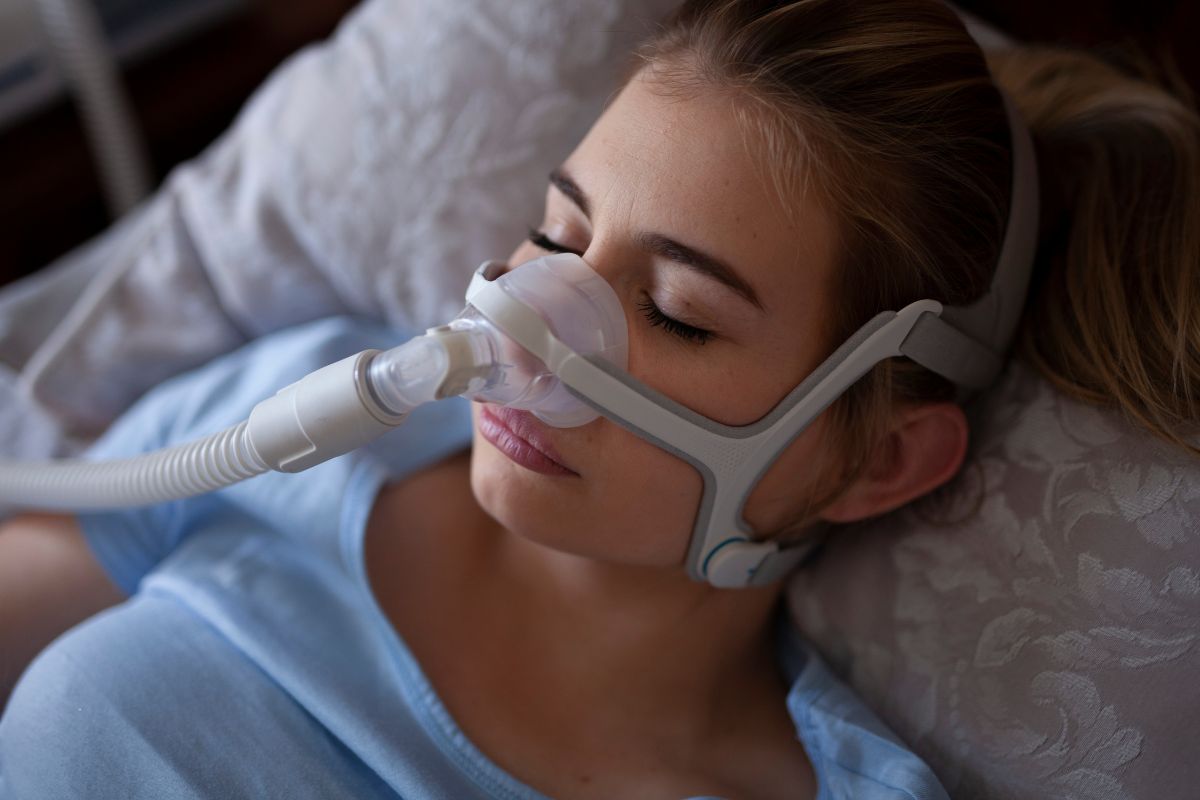
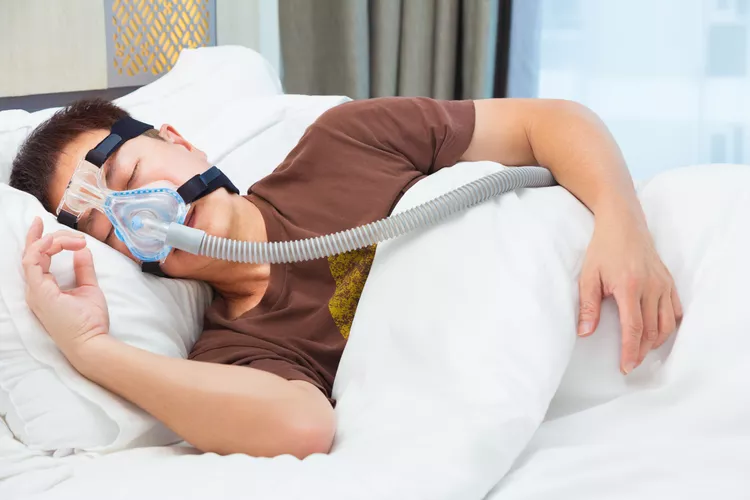
Custom dental devices, often referred to as mandibular advancement devices (MADs), are meticulously designed to combat apnea during sleep. These appliances work by gently shifting the lower jaw forward, which enlarges the upper airway and minimizes obstruction. Unlike CPAP machines, which rely on external air pressure, dental devices integrate seamlessly with natural oral function, making adherence more comfortable for many patients.A recent meta-analysis demonstrated that MADs can reduce apnea-hypopnea index (AHI) scores by up to 60% in mild-to-moderate OSA cases. Importantly, these devices can be adapted for patients with temporomandibular joint disorders, ensuring that apnea management does not compromise jaw comfort or function.
The Connection Between Oral Health and Apnea Severity
Emerging research highlights a fascinating correlation between oral health and apnea severity. Individuals with untreated periodontal disease often exhibit higher apnea indices, suggesting that inflammation and microbial imbalances may exacerbate airway collapsibility. Moreover, bruxism—or teeth grinding—frequently co-occurs with OSA, hinting at an interconnected mechanism between sleep disruption and jaw stress.Dentists, therefore, are uniquely positioned to intervene early. By addressing gum health, jaw alignment, and occlusion issues, they not only improve oral function but also indirectly influence apnea outcomes. This integrative approach illustrates why dental specialists are indispensable in the multidisciplinary management of sleep-disordered breathing.
Lifestyle Factors Influencing Apnea and Dental Solutions
Weight management, sleep posture, and alcohol consumption significantly impact apnea severity. However, dental interventions remain effective regardless of lifestyle, offering a non-invasive adjunct to broader health strategies. For instance, oral appliances can complement positional therapy, which encourages side-sleeping, and can also be fine-tuned for patients with variable weight or age-related anatomical changes.Interestingly, personalized dental solutions can be paired with advanced imaging techniques, such as 3D airway scans. These scans allow dentists to visualize airway constriction in real-time, ensuring that devices are precisely tailored to mitigate apnea events while maximizing comfort and wearability.
Innovative Dental Approaches in Apnea Treatment
Beyond traditional mandibular advancement devices, modern dentistry offers innovative strategies to manage apnea more effectively. Tongue-retaining devices (TRDs), for example, stabilize the tongue in a forward position, preventing it from collapsing into the airway during sleep. While less commonly used than MADs, TRDs can be particularly beneficial for patients who cannot tolerate jaw repositioning due to temporomandibular issues.Laser-assisted soft tissue procedures are another frontier. These minimally invasive interventions aim to reduce excess soft tissue in the throat and palate, which can contribute to apnea episodes. Studies suggest that when combined with oral devices, such procedures can produce significant reductions in apnea-hypopnea indices, particularly in patients with moderate OSA.
Monitoring Apnea Progress Through Dental Follow-Ups
Dental management of apnea is not a “set it and forget it” approach. Regular follow-ups are crucial to monitor device fit, oral health, and treatment efficacy. Sleep diaries and home sleep tests provide valuable feedback on apnea frequency, allowing dentists to adjust devices as needed. This iterative process ensures that the intervention remains effective as patients’ anatomy or habits change over time.Additionally, follow-ups provide an opportunity to identify secondary oral complications such as dry mouth, gum irritation, or occlusal shifts. By maintaining vigilant monitoring, dental professionals help maximize patient comfort while continuously mitigating apnea risks.
Apnea and Cognitive Function: What Dentistry Can Influence
The effects of apnea extend to cognitive performance, mood regulation, and even memory consolidation. Sleep fragmentation caused by repeated apnea episodes impairs attention, reaction time, and executive function. By reducing airway obstruction through dental interventions, patients often report improved daytime alertness and mental clarity.A 2022 study published in the Journal of Clinical Sleep Medicine found that patients using mandibular advancement devices exhibited measurable improvements in memory recall and processing speed after just three months. While dental devices alone are not a panacea for cognitive deficits, they are a significant component of a comprehensive strategy for patients suffering from apnea.
Success Rates and Patient Experience in Dental Apnea Care
Clinical outcomes indicate that dental interventions for apnea are effective in a substantial proportion of patients, particularly those with mild-to-moderate OSA. Success rates for MADs range from 50% to 70% in reducing the severity of apnea events, while patient adherence often surpasses that of CPAP therapy due to comfort and convenience.Patients also benefit from an enhanced quality of life beyond physiological improvements. Reduced snoring, fewer awakenings, and decreased daytime fatigue contribute to a holistic sense of well-being. Importantly, these devices are reversible and non-invasive, making them an appealing first-line option for individuals seeking an alternative to traditional medical equipment.
Integrating Multidisciplinary Approaches for Apnea
Optimal management of apnea often involves a multidisciplinary approach. Collaboration between dentists, sleep physicians, ENT specialists, and even nutritionists ensures that treatment addresses both anatomical and lifestyle factors. Dental solutions are complemented by behavioral strategies, weight management, and positional therapy to provide a comprehensive plan tailored to each patient.This integrative model highlights why apnea should not be viewed solely as a medical problem or a dental problem. Instead, it underscores the importance of combining expertise across fields to maximize patient outcomes, reduce health risks, and enhance overall sleep quality.
The Broader Role of Dentistry in Apnea Management
Dental interventions for apnea demonstrate that modern dentistry extends well beyond teeth and gums. By addressing airway obstruction, supporting oral anatomy, and contributing to overall health, dental professionals play a crucial role in managing sleep-disordered breathing. From mandibular advancement devices to innovative soft tissue procedures, the intersection of dentistry and apnea treatment exemplifies the evolving landscape of personalized healthcare.Patients who explore dental options often discover that managing apnea is not just about improving sleep—it’s about enhancing life quality, cognitive function, and long-term well-being. As research continues and technologies advance, dentistry’s role in apnea care will only grow more central, offering practical, effective, and patient-friendly solutions.
Get Your Free Consultation
Have questions? Leave your details and we'll get back to you as soon as possible.
I have always viewed dentistry as more than just performing treatments; I prioritize building trust-based communication with my patients, aiming to ensure their comfort and satisfaction. My goal is to add both health and aesthetic value to each individual's smile through my knowledge and experience.

 Interestingly, personalized dental solutions can be paired with advanced imaging techniques, such as 3D airway scans. These scans allow dentists to visualize airway constriction in real-time, ensuring that devices are precisely tailored to mitigate apnea events while maximizing comfort and wearability.
