
Dental Sedation has transformed the way modern dentistry approaches patient comfort, anxiety, and procedural efficiency. For many individuals, visiting a dentist can trigger varying levels of fear, often rooted in past experiences or general unease. This is where Dental Sedation becomes an essential concept, offering a spectrum of techniques designed to relax patients and make dental procedures more manageable.
At its core, Dental Sedation refers to the use of pharmacological methods to help patients remain calm and comfortable during dental treatments. While it does not always mean complete unconsciousness, it significantly reduces stress, discomfort, and perception of pain. Today, advancements in sedation dentistry allow for personalized approaches based on patient needs, medical history, and procedure complexity.
What is Dental Sedation and How Does It Work?
Dental Sedation is a controlled method used in dentistry to relax patients during procedures. It works by depressing the central nervous system to varying degrees, depending on the type and dosage administered. The goal is not always to induce sleep, but rather to create a state of calm awareness. From a physiological perspective, Dental Sedation influences neurotransmitters in the brain, particularly those associated with anxiety and fear responses. This results in a reduction of stress hormones and an increased sense of relaxation. Some forms also have mild amnesic effects, meaning patients may not remember the procedure clearly. Interestingly, studies in behavioral dentistry suggest that patients who experience Dental Sedation are more likely to maintain regular dental visits. This indicates not only a clinical benefit but also a psychological one, contributing to long term oral health adherence.Types of Dental Sedation Used in Modern Dentistry
Understanding the types of Dental Sedation is crucial for recognizing how tailored dental care has become. Each method serves a specific purpose and varies in intensity.1. Inhalation Sedation
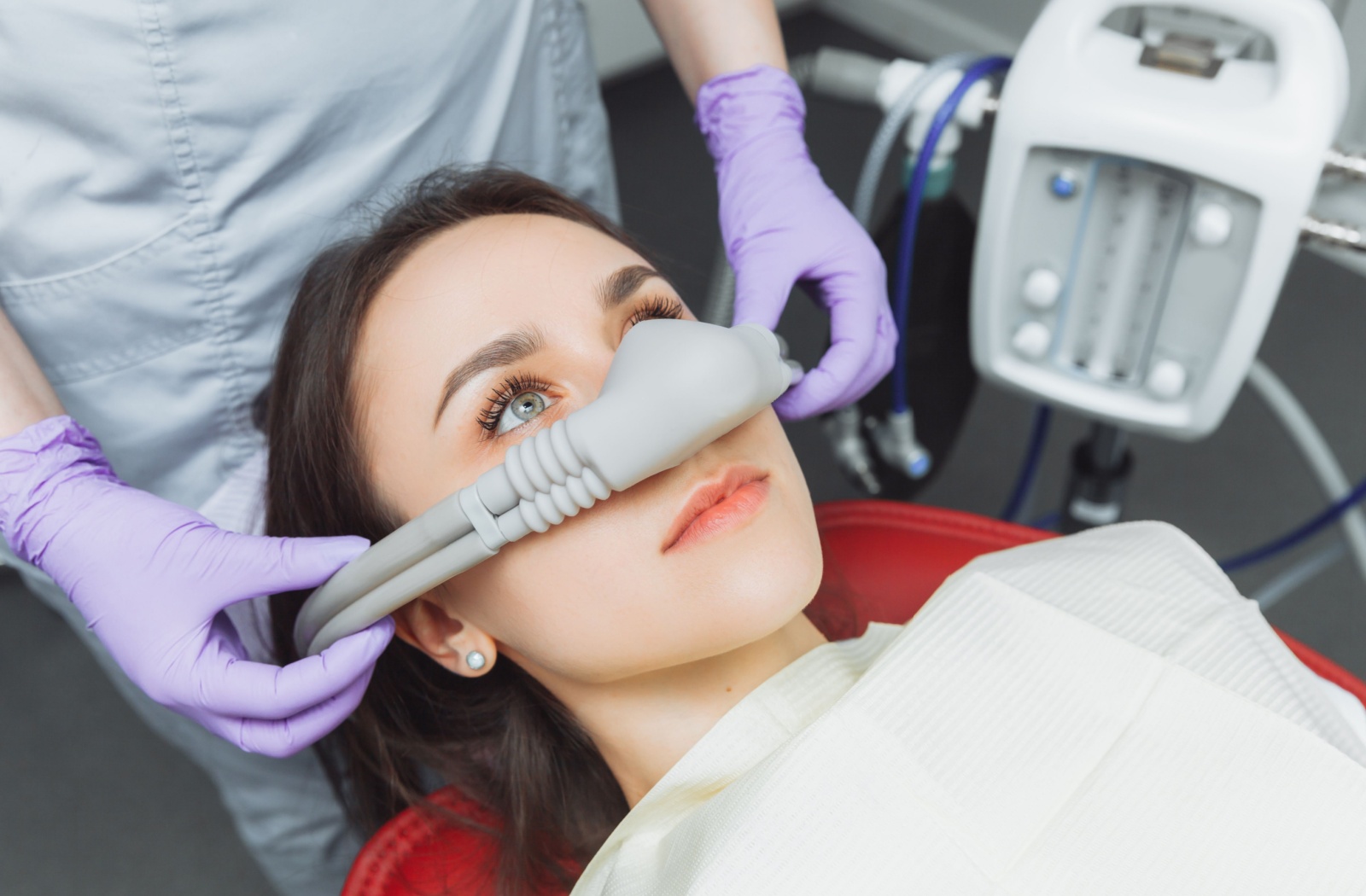
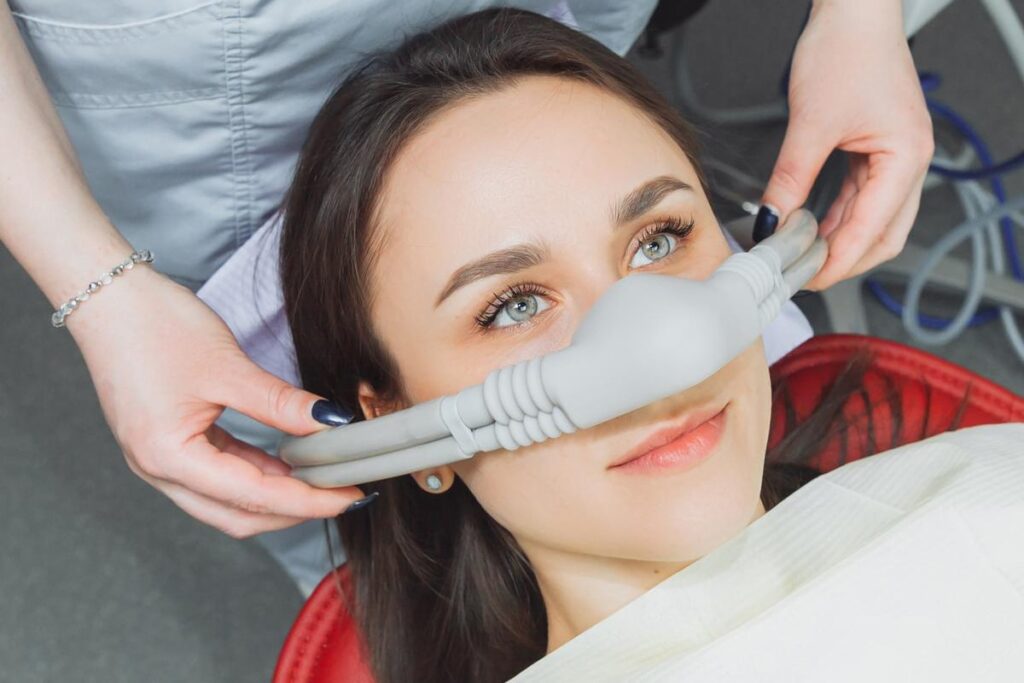
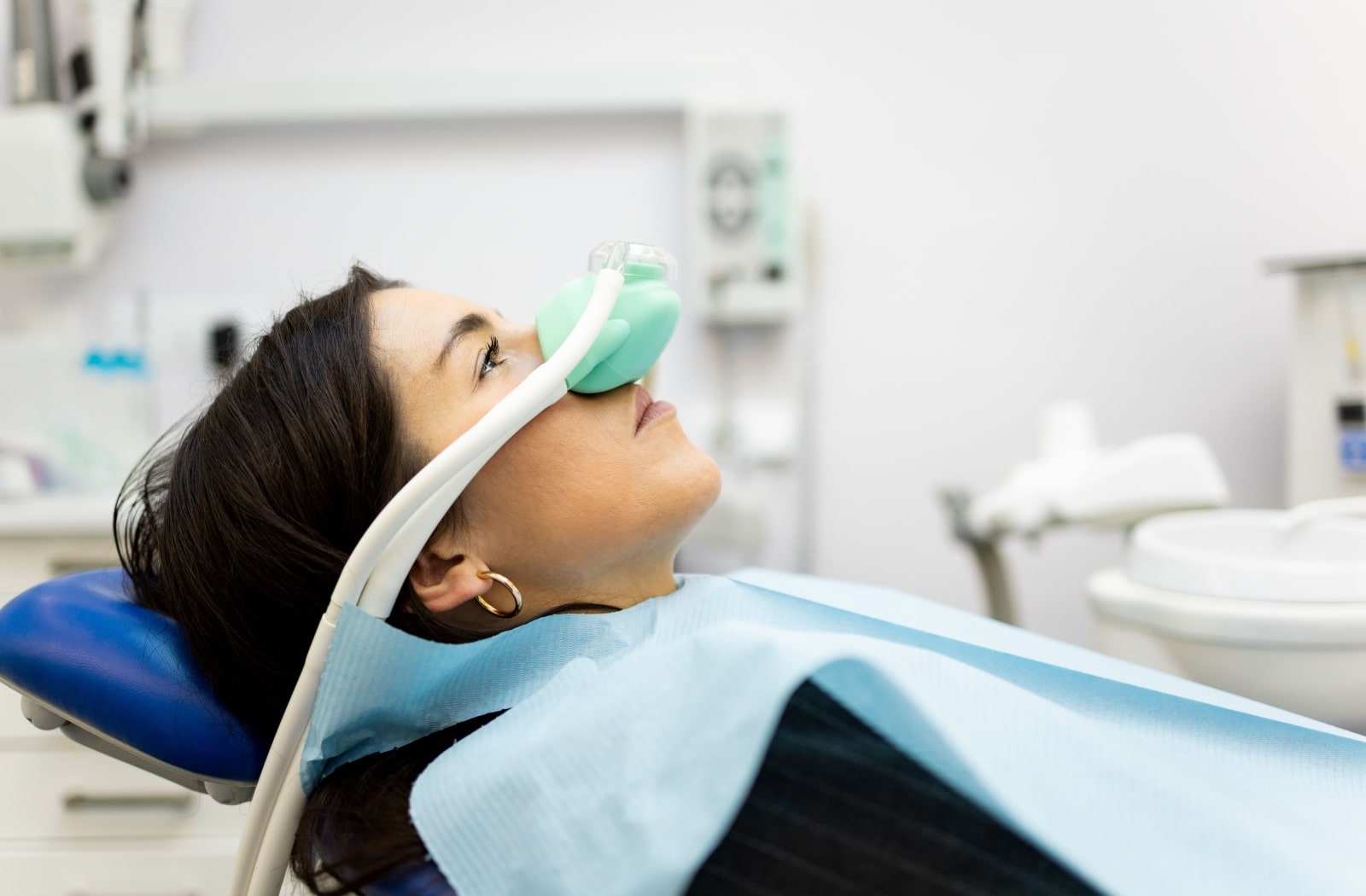
Often referred to as nitrous oxide sedation, this method involves breathing a gas mixture through a mask. It is one of the mildest forms of Dental Sedation and allows patients to remain fully conscious while feeling relaxed.2. Oral Sedation
This type involves taking a prescribed medication before the procedure. Oral Dental Sedation ranges from minimal to moderate effects, depending on dosage. Patients may feel drowsy but are usually still responsive.3. Intravenous (IV) Sedation
IV Dental Sedation is administered directly into the bloodstream, offering a deeper level of relaxation. It allows dentists to adjust sedation levels in real time, making it highly controllable.4. General Anesthesia
This is the most intensive form of Dental Sedation, typically reserved for complex procedures or patients with extreme dental anxiety. It renders the patient completely unconscious. Each type of Dental Sedation is selected based on multiple factors, including patient preference, procedure duration, and medical considerations.Who Can Benefit from Dental Sedation?
Not every dental patient requires Dental Sedation, but for certain groups, it can significantly enhance the treatment experience. Patients with dental phobia are among the primary beneficiaries. Research indicates that fear of dental procedures affects a notable percentage of the population, often leading to delayed care. In such cases, Dental Sedation acts as a bridge between avoidance and necessary treatment. Additionally, individuals with a low pain threshold or strong gag reflex may find Dental Sedation particularly helpful. It can also be beneficial for those undergoing lengthy procedures, as it helps reduce fatigue and discomfort. Children and patients with special needs are also considered suitable candidates in some cases. The adaptability of Dental Sedation allows practitioners to create a more controlled and less stressful environment.Advantages and Limitations of Dental Sedation
Like any medical approach, Dental Sedation comes with both advantages and considerations.Advantages
- Enhances patient comfort and reduces anxiety
- Allows multiple procedures in a single visit
- Improves cooperation during treatment
- Minimizes memory of the procedure
Limitations
- May require recovery time depending on type
- Not suitable for all medical conditions
- Requires professional monitoring
- Potential mild side effects such as dizziness
Safety and Scientific Perspective on Dental Sedation
The safety of Dental Sedation has been extensively studied and continues to evolve with medical advancements. Regulatory bodies and dental associations provide strict guidelines for its administration, ensuring patient safety remains a priority. Clinical research highlights that when performed by trained professionals, Dental Sedation has a high safety profile. Monitoring equipment such as pulse oximeters and blood pressure devices are commonly used during procedures to track vital signs in real time. Moreover, modern sedation techniques are supported by pharmacological innovations that allow for predictable onset and recovery times. This scientific progress has made Dental Sedation more accessible and reliable than ever before. For further scientific reading, you can explore resources like American Dental Association guidelines on sedation dentistry: https://www.ada.org National Institute of Dental and Craniofacial Research: https://www.nidcr.nih.govHow to Prepare for Dental Sedation
Preparation plays an important role in ensuring the effectiveness of Dental Sedation. Although specific instructions may vary, there are general considerations often discussed in dental practice. Patients may be advised to avoid eating or drinking for a certain period before the procedure, particularly for deeper forms of Dental Sedation. Comfortable clothing and arranging transportation are also commonly recommended, especially when sedation effects may linger. Another key aspect is open communication. Sharing medical history, current medications, and previous experiences with sedation helps tailor the Dental Sedation approach more accurately. Preparation is not just physical but also psychological. Understanding what to expect can significantly enhance the overall experience and reduce uncertainty.The Future of Dental Sedation in Dentistry
The evolution of Dental Sedation reflects broader trends in patient centered healthcare. As technology and pharmacology advance, sedation methods are becoming more precise, efficient, and personalized. Emerging research is exploring non pharmacological alternatives such as virtual reality and cognitive behavioral techniques, which may complement traditional Dental Sedation methods. These innovations aim to further reduce anxiety without relying solely on medication. Additionally, artificial intelligence and predictive analytics are beginning to influence how dentists assess patient needs, potentially optimizing Dental Sedation protocols in the future. The ongoing development in this field suggests that Dental Sedation will continue to play a critical role in improving patient experiences and expanding access to dental care. Dental Sedation represents a significant advancement in modern dentistry, offering solutions for patients who might otherwise avoid necessary treatments. By addressing both physical discomfort and psychological barriers, it creates a more inclusive and patient friendly approach to oral healthcare. From mild relaxation techniques to deep sedation methods, Dental Sedation provides a flexible framework that adapts to individual needs. While it is not universally required, its impact on patient satisfaction and treatment outcomes is widely recognized. As research continues and technology evolves, Dental Sedation is likely to become even more refined, reinforcing its position as a cornerstone of contemporary dental practice.Get Your Free Consultation
Have questions? Leave your details and we'll get back to you as soon as possible.
Get Free Consultation