
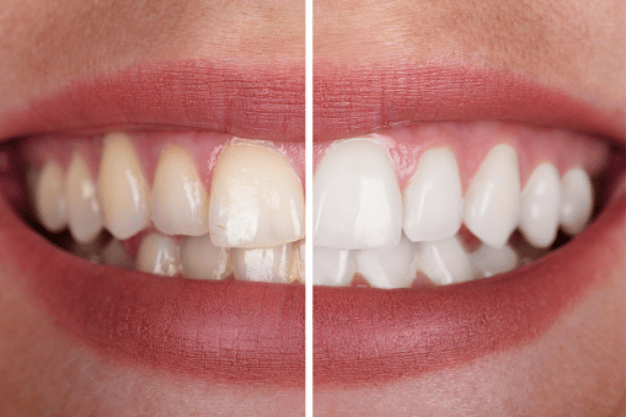
Dental Reconstruction is a broad term that captures how modern dentistry approaches complex oral challenges in a structured, layered, and often highly personalized way. Instead of focusing on a single tooth or an isolated problem, Dental Reconstruction looks at the entire oral system, including teeth, gums, bite alignment, and functional balance. This perspective helps explain why the topic attracts so much interest among patients who feel that standard treatments do not fully address their concerns.
At its core, Dental Reconstruction is about rebuilding rather than repairing. It explores how form, function, and comfort interact over time. In recent years, the concept has expanded beyond purely clinical goals and now includes aesthetics, long term stability, and quality of life considerations. This article examines what Dental Reconstruction means, how it is approached, and in which situations it becomes relevant, without offering medical advice or rigid conclusions.
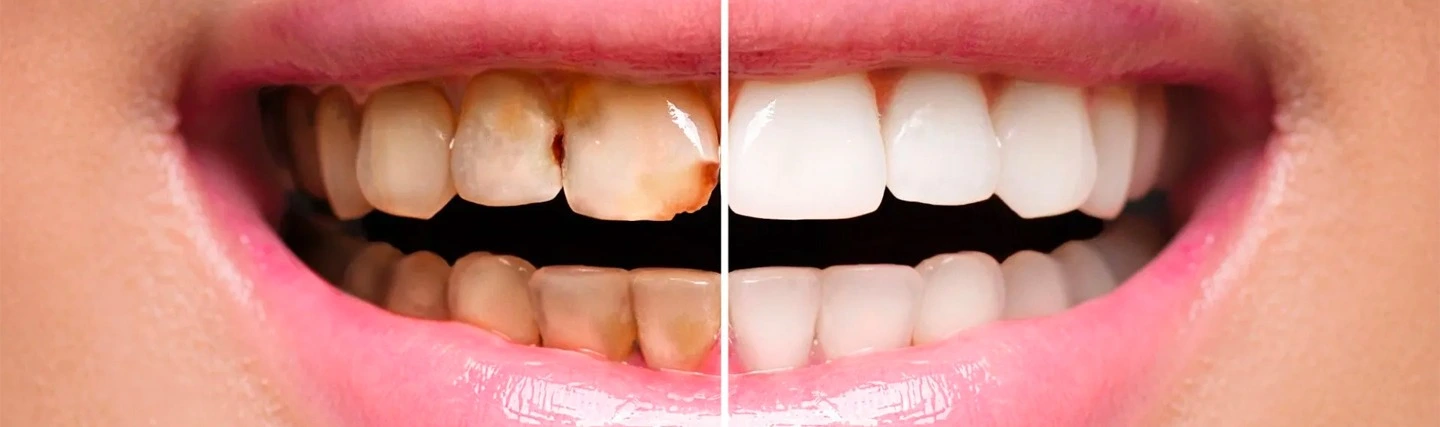
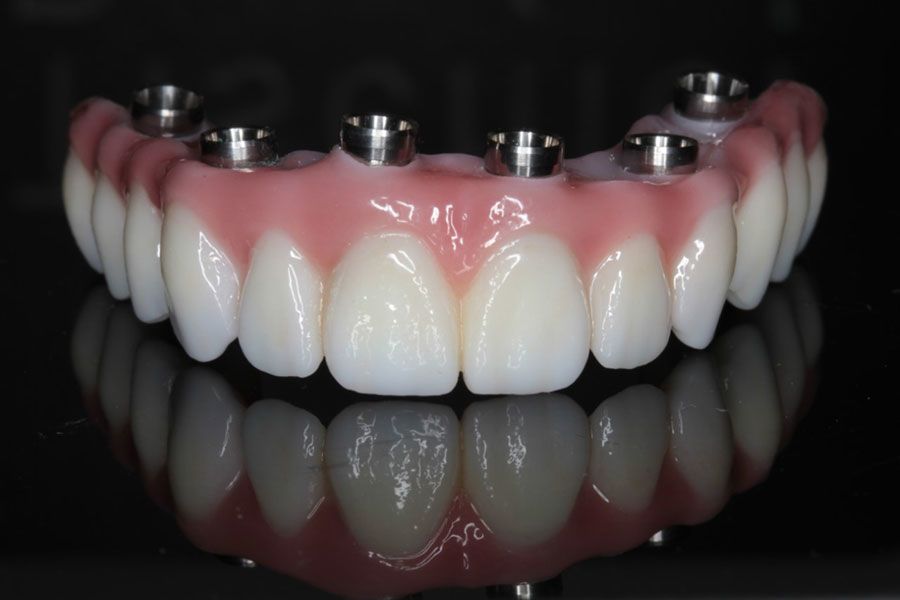
Understanding Dental Reconstruction as a Comprehensive Concept
When people first encounter the term, Dental Reconstruction may sound intimidating or overly technical. In practice, it represents a systematic way of evaluating multiple dental issues together. Missing teeth, worn enamel, bite irregularities, and structural weaknesses are often interconnected. Dental Reconstruction aims to understand these links instead of addressing symptoms in isolation. From an analytical perspective, Dental Reconstruction often begins with detailed assessments. These may include imaging, bite analysis, and material evaluations. Research in dental biomechanics suggests that teeth function as part of a dynamic system rather than independent units. This understanding supports why Dental Reconstruction is often described as holistic rather than fragmented. Another important aspect of Dental Reconstruction is planning. Unlike single procedure treatments, reconstruction usually follows a phased roadmap. Each step builds upon the previous one, allowing adjustments as conditions evolve. This layered planning model is one of the reasons Dental Reconstruction is associated with long term thinking instead of quick fixes.Why Dental Reconstruction Differs from Routine Dental Treatments
Routine dental care typically focuses on prevention, maintenance, or addressing isolated problems. Dental Reconstruction, on the other hand, is considered when the cumulative impact of multiple issues affects overall oral harmony. This distinction explains why Dental Reconstruction is not defined by a single procedure but by an integrated approach. One key difference lies in scope. While a filling or crown addresses a specific area, Dental Reconstruction evaluates how that area interacts with the rest of the mouth. Studies in occlusion and jaw dynamics indicate that even small misalignments can influence chewing efficiency and long term wear. Dental Reconstruction takes these findings into account during planning. Another difference involves materials and techniques. Dental Reconstruction often relies on advanced restorative materials chosen for durability and compatibility. These materials are selected not only for appearance but also for how they distribute forces across the bite. This emphasis reflects the engineering mindset behind Dental Reconstruction, where balance and longevity are prioritized.Situations Where Dental Reconstruction Becomes Relevant
The necessity for Dental Reconstruction is usually discussed when dental issues accumulate over time. Tooth loss, erosion, fractures, and bite changes rarely occur in isolation. Dental Reconstruction becomes a topic of interest when these factors begin to influence daily comfort, speech, or chewing patterns. Another scenario involves historical dental work. Over decades, patients may receive various treatments using different techniques and materials. Dental Reconstruction offers a framework to reassess these elements collectively. By analyzing how older restorations interact, Dental Reconstruction helps explain why some individuals experience uneven wear or discomfort despite having no obvious single problem. Lifestyle and habits also play a role. Bruxism, dietary patterns, and long term stress on teeth can gradually alter oral structures. In such cases, Dental Reconstruction is often discussed as a way to understand cumulative effects rather than assigning a single cause. This analytical approach aligns with current research emphasizing multifactorial explanations in oral health.Core Components of Dental Reconstruction Planning
Planning is the intellectual backbone of Dental Reconstruction. It typically starts with data collection, followed by interpretation and sequencing. The goal is not to predict outcomes with certainty but to reduce unknowns. This mindset distinguishes Dental Reconstruction from more reactive treatment styles. A common planning element involves bite analysis. Researchers have shown that occlusal imbalances can contribute to uneven force distribution. Dental Reconstruction uses this knowledge to evaluate how changes in one area may affect others. This is why planning often involves simulations or mock ups before any irreversible step. Another component is material compatibility. In Dental Reconstruction, materials are evaluated not only individually but also in combination. Factors such as wear resistance, elasticity, and interaction with natural enamel are considered. This material science perspective adds depth to the planning process and highlights why Dental Reconstruction is viewed as an advanced discipline within dentistry.Functional and Aesthetic Dimensions of Dental Reconstruction
Although function is a primary driver, aesthetics play a significant role in Dental Reconstruction discussions. Teeth are visible, expressive, and closely linked to personal identity. Dental Reconstruction therefore explores how functional improvements can coexist with natural looking results. From a functional standpoint, Dental Reconstruction considers chewing efficiency, speech clarity, and jaw comfort. Research indicates that improved bite balance can influence muscle activity and fatigue levels. These findings help explain why Dental Reconstruction often addresses more than visual concerns, even when aesthetics are part of the motivation. Aesthetically, Dental Reconstruction emphasizes proportion and harmony rather than uniform perfection. Tooth shape, shade transitions, and alignment are evaluated in relation to facial features. This nuanced approach reflects a shift from standardized smiles to individualized outcomes, reinforcing the idea that Dental Reconstruction is as much an art as it is a science.
Long Term Perspectives on Dental Reconstruction
One of the most discussed aspects of Dental Reconstruction is its long term outlook. Instead of focusing solely on immediate improvements, Dental Reconstruction considers how oral structures may change over years. This forward looking perspective is supported by longitudinal studies in restorative dentistry. Wear patterns, bone adaptation, and material aging are all factors in this analysis. Dental Reconstruction planning often incorporates flexibility, allowing future modifications if conditions evolve. This adaptability distinguishes Dental Reconstruction from static treatment models and aligns with modern concepts of sustainable care. Another long term consideration involves maintenance. While Dental Reconstruction does not promise permanence, it emphasizes informed awareness. Understanding how reconstructed elements interact over time helps individuals make sense of follow up needs without framing them as failures. This realistic framing contributes to why Dental Reconstruction is often associated with thoughtful decision making rather than urgency.Evaluating Information About Dental Reconstruction Critically
Given the growing visibility of Dental Reconstruction, critical evaluation of information is essential. Not all sources approach the topic with the same depth or balance. Scientifically grounded discussions of Dental Reconstruction tend to avoid absolute claims and instead highlight variability. One way to assess credibility is by looking for explanations that reference biomechanics, materials science, and systems thinking. Dental Reconstruction discussions grounded in these fields usually provide more context and fewer exaggerated promises. This analytical lens helps readers differentiate between educational content and promotional narratives. Another indicator is transparency. Reliable discussions of Dental Reconstruction acknowledge limitations and uncertainties. Dentistry, like all health related fields, involves individual variation. Content that respects this complexity tends to offer more meaningful insights into what Dental Reconstruction represents conceptually.Making Sense of Dental Reconstruction Today
In summary, Dental Reconstruction represents a comprehensive way of thinking about oral health challenges that extend beyond isolated issues. It integrates functional analysis, aesthetic consideration, material science, and long term planning into a single conceptual framework. Rather than offering simple answers, Dental Reconstruction invites deeper questions about balance, durability, and individual variation. For readers exploring this topic, understanding Dental Reconstruction as a process rather than a promise can be especially valuable. Its strength lies in structured thinking and adaptability, not in guaranteed outcomes. This perspective aligns with contemporary research and reflects why Dental Reconstruction continues to evolve within modern dentistry. ClinicHI approaches topics like Dental Reconstruction with an emphasis on informed exploration and scientific curiosity. By focusing on analysis rather than assumptions, the concept becomes less intimidating and more intellectually engaging for anyone seeking to understand the broader landscape of restorative dentistry.Get Your Free Consultation
Have questions? Leave your details and we'll get back to you as soon as possible.
Get Free Consultation