
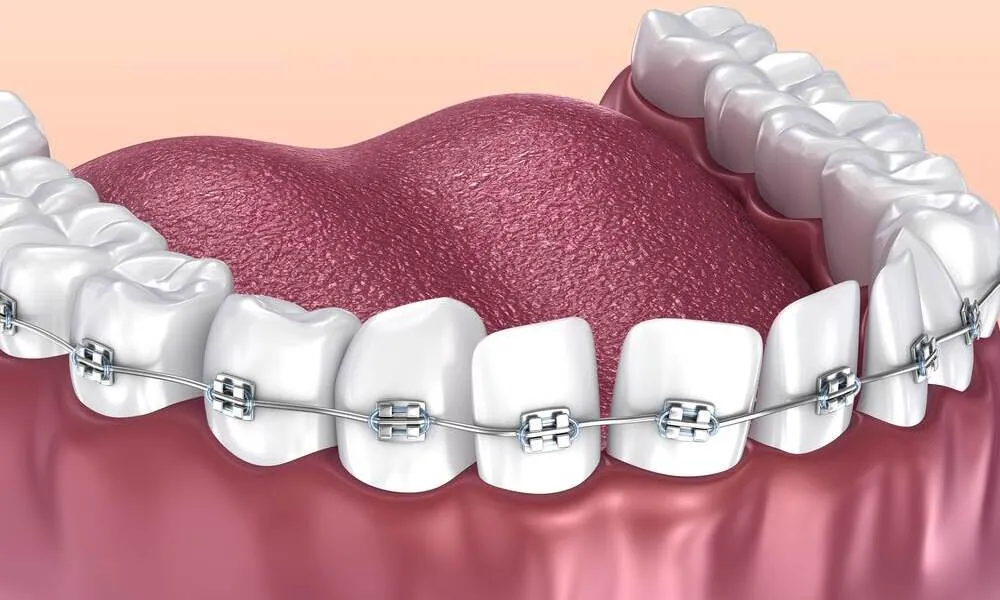
A bright smile often defines first impressions, but sometimes the root of the problem lies in the lower teeth. While upper teeth usually take center stage in aesthetics, the lower teeth play a crucial role in overall oral harmony, bite alignment, and even speech. Neglecting the health or appearance of the lower teeth can lead to functional challenges and subtly affect your confidence.
Crowding and Misalignment of Lower Teeth
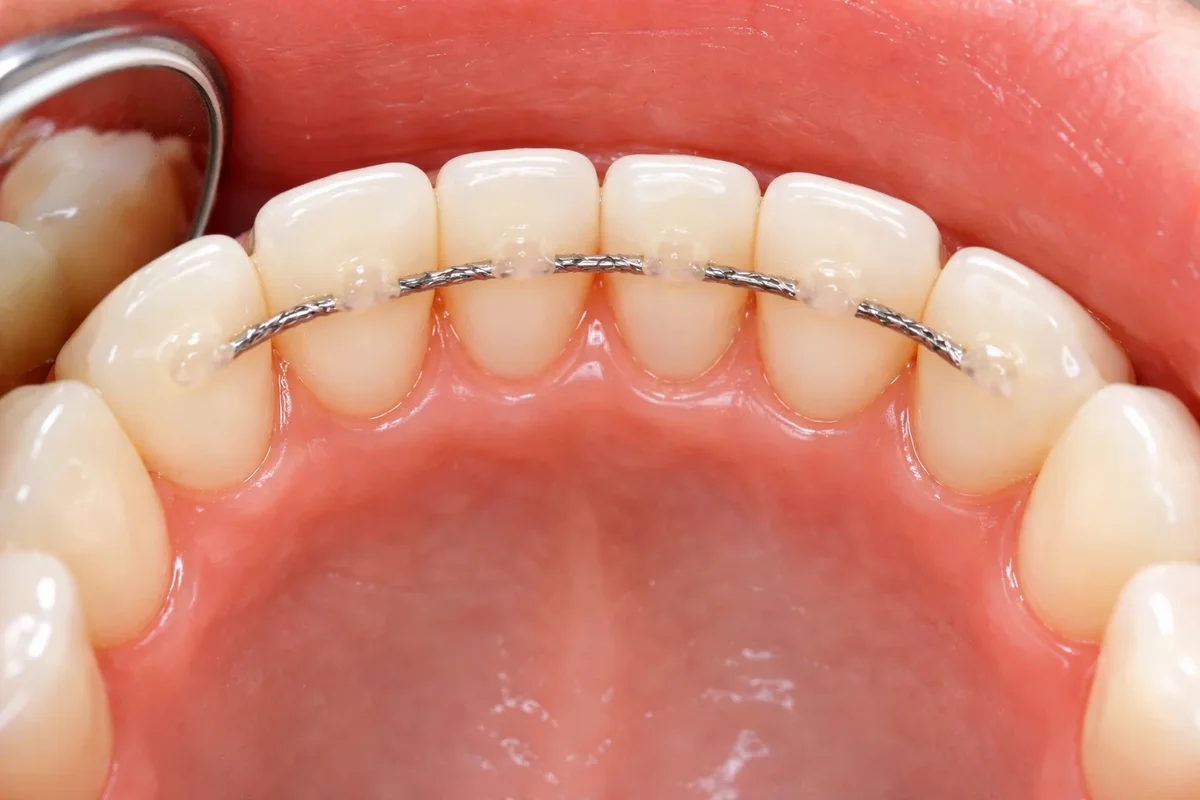
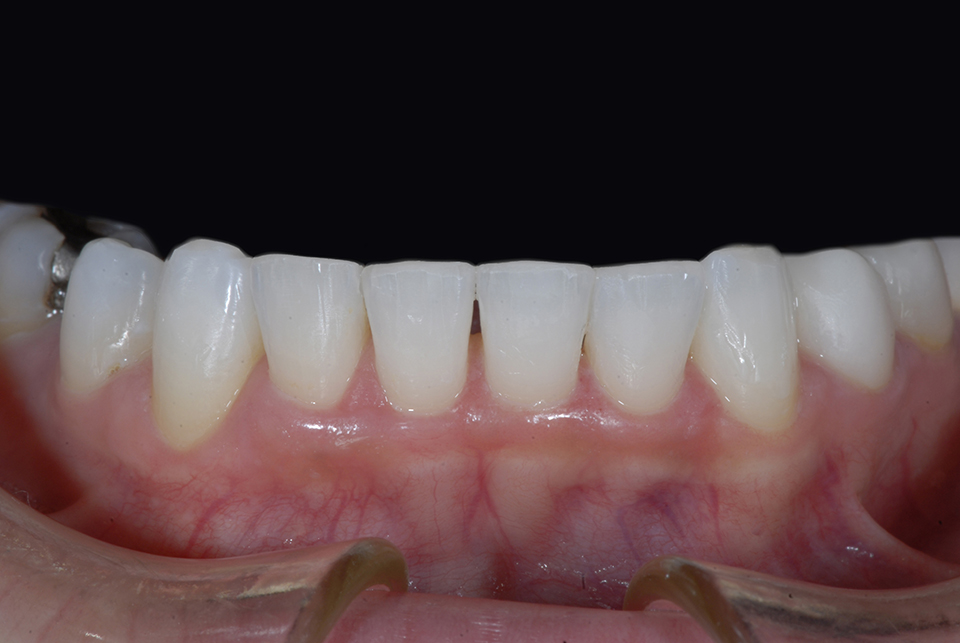
Crowding occurs when the jaw does not have enough space to accommodate all the lower teeth in proper alignment. According to a 2022 study in the Journal of Dental Research, nearly 40% of adults experience some degree of crowding in the lower arch. Crowding not only affects appearance but also makes cleaning more difficult, increasing the risk of gum inflammation and cavities. Treatment options for crowded lower teeth range from orthodontic solutions like clear aligners and braces to minor enamel reshaping in less severe cases. Orthodontic intervention can gradually shift misaligned teeth into a more functional and aesthetically pleasing position. The choice of treatment depends on severity, age, and overall oral health.Discoloration and Staining in Lower Teeth
Staining of the lower teeth can occur due to dietary habits, smoking, or even aging. Interestingly, research from the American Academy of Cosmetic Dentistry suggests that lower teeth often show more visible discoloration than upper teeth because saliva pools around them, leading to increased plaque accumulation. Professional cleaning, whitening treatments, and minimally invasive veneers are common solutions. It’s important to consider the natural shade of your enamel and the potential for sensitivity when selecting a treatment. Even subtle improvements in the shade of the lower teeth can dramatically enhance the overall smile aesthetics.Wear and Tear: Chipped or Worn Lower Teeth
Daily habits, such as teeth grinding (bruxism), and environmental factors can cause the lower teeth to wear down or chip over time. A study published in Clinical Oral Investigations found that about 25% of adults show significant wear on the lower anterior teeth by the age of 50. Treatment approaches include protective night guards to prevent further damage, composite bonding for minor chips, and crowns for more extensive wear. Restoring the natural shape and length of the lower teeth can improve both function and visual balance in the smile.Gaps and Spacing Issues in Lower Teeth
Excessive spacing or gaps between lower teeth may result from genetics, tooth loss, or improper eruption during childhood. These gaps not only affect appearance but can also compromise chewing efficiency. Orthodontic realignment using braces or clear aligners is the most common corrective measure. In cases of missing teeth, dental implants or bridges can restore both form and function. Studies indicate that strategic correction of gaps can enhance bite stability and prevent long-term jaw joint issues.
Gum Recession and Sensitivity of Lower Teeth
Gum recession often exposes the roots of the lower teeth, leading to sensitivity and aesthetic concerns. According to the Journal of Periodontology, gum recession is more prevalent in the lower jaw due to thinner gingival tissue and higher mechanical stress during brushing. Treatment can include scaling and root planing, gum grafts, or laser therapies to restore gum health and reduce sensitivity. Maintaining a gentle oral hygiene routine and using desensitizing toothpaste are essential strategies to protect the lower teeth from further issues.Bite and Occlusion Problems Affecting Lower Teeth
Misalignment of the upper and lower teeth can lead to bite issues such as overbite, underbite, or crossbite. These conditions often manifest first in the lower teeth, influencing jaw function, speech, and facial aesthetics. Corrective options include orthodontic appliances, occlusal adjustments, and in complex cases, minor surgical interventions. Proper alignment ensures that the lower teeth contribute effectively to chewing efficiency and overall oral health.Advanced Cosmetic Solutions for Lower Teeth
Beyond functional corrections, cosmetic enhancements for the lower teeth are gaining popularity. Options such as porcelain veneers, enamel reshaping, and professional whitening can transform the smile subtly but dramatically. Combining aesthetic treatment with functional improvements ensures that the lower teeth are not only visually appealing but also healthy and well-aligned. Innovative dental technologies, including digital scanning and CAD/CAM fabrication, have made these treatments more precise and durable than ever before. The lower teeth are integral to a balanced, confident smile. From crowding and discoloration to wear, spacing, gum recession, and bite issues, understanding the challenges unique to the lower dental arch is crucial. Modern dentistry offers a wide range of effective interventions, from preventive measures to cosmetic enhancements. Addressing these issues not only restores oral function but also enhances the overall aesthetics of the smile, boosting self-confidence and long-term oral health.Get Your Free Consultation
Have questions? Leave your details and we'll get back to you as soon as possible.
Get Free Consultation