
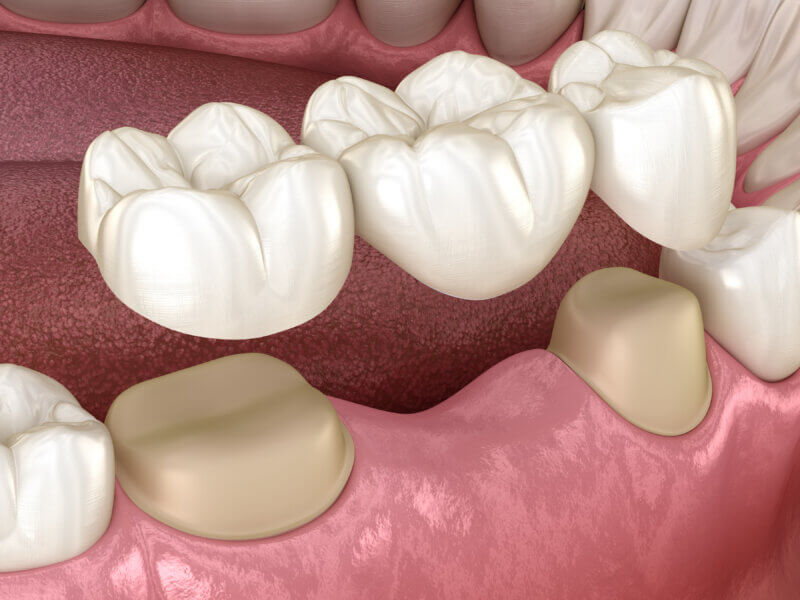
When it comes to understanding dental procedures in the U.S., the CDT Code plays a crucial role in identifying services such as dental bridges. A dental bridge is a restorative solution that replaces missing teeth by anchoring artificial teeth to adjacent natural teeth or implants. The CDT Code ensures accurate billing, standardized documentation, and smooth communication between dental professionals and insurance providers.
Understanding the Basics of CDT Code
The CDT Code system, short for Current Dental Terminology, is maintained by the American Dental Association. It provides a uniform language for reporting dental services. Each procedure, from routine cleanings to complex restorations like dental bridges, has a unique CDT Code. This coding helps insurance companies determine coverage, dentists to document treatments accurately, and patients to understand their benefits. Unlike general medical coding systems, CDT Codes are specifically tailored to dentistry. For example, the code for a traditional three-unit dental bridge might differ from a bridge supported by implants or a Maryland bridge. Understanding these distinctions is essential for both dental professionals and patients navigating insurance claims.Types of Dental Bridges and Their CDT Codes
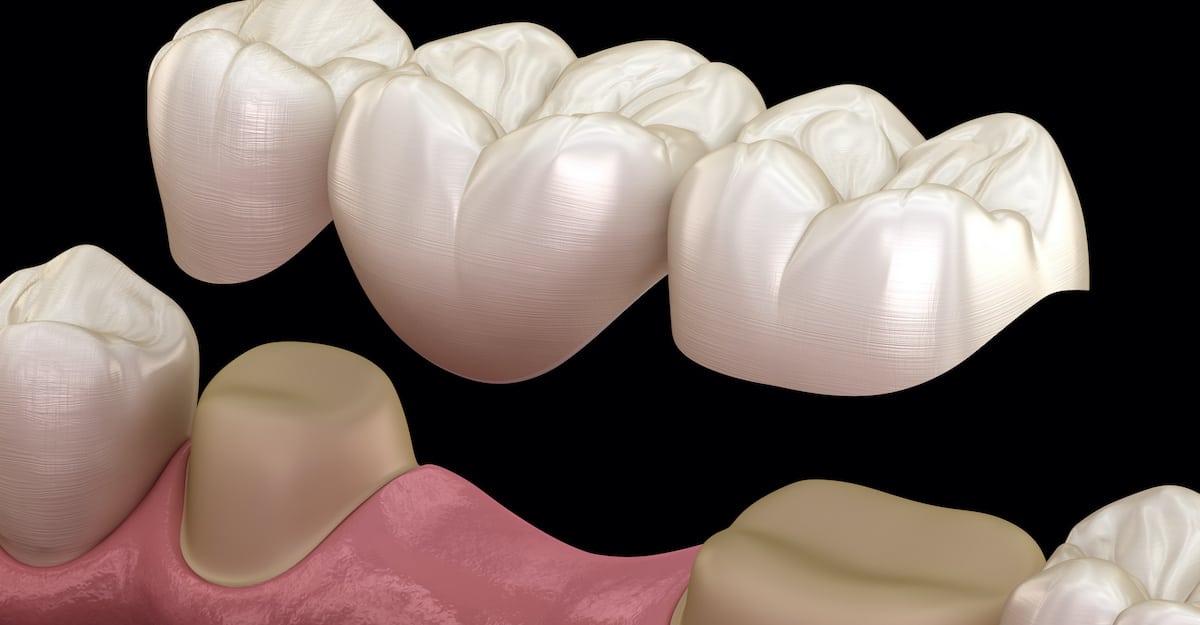
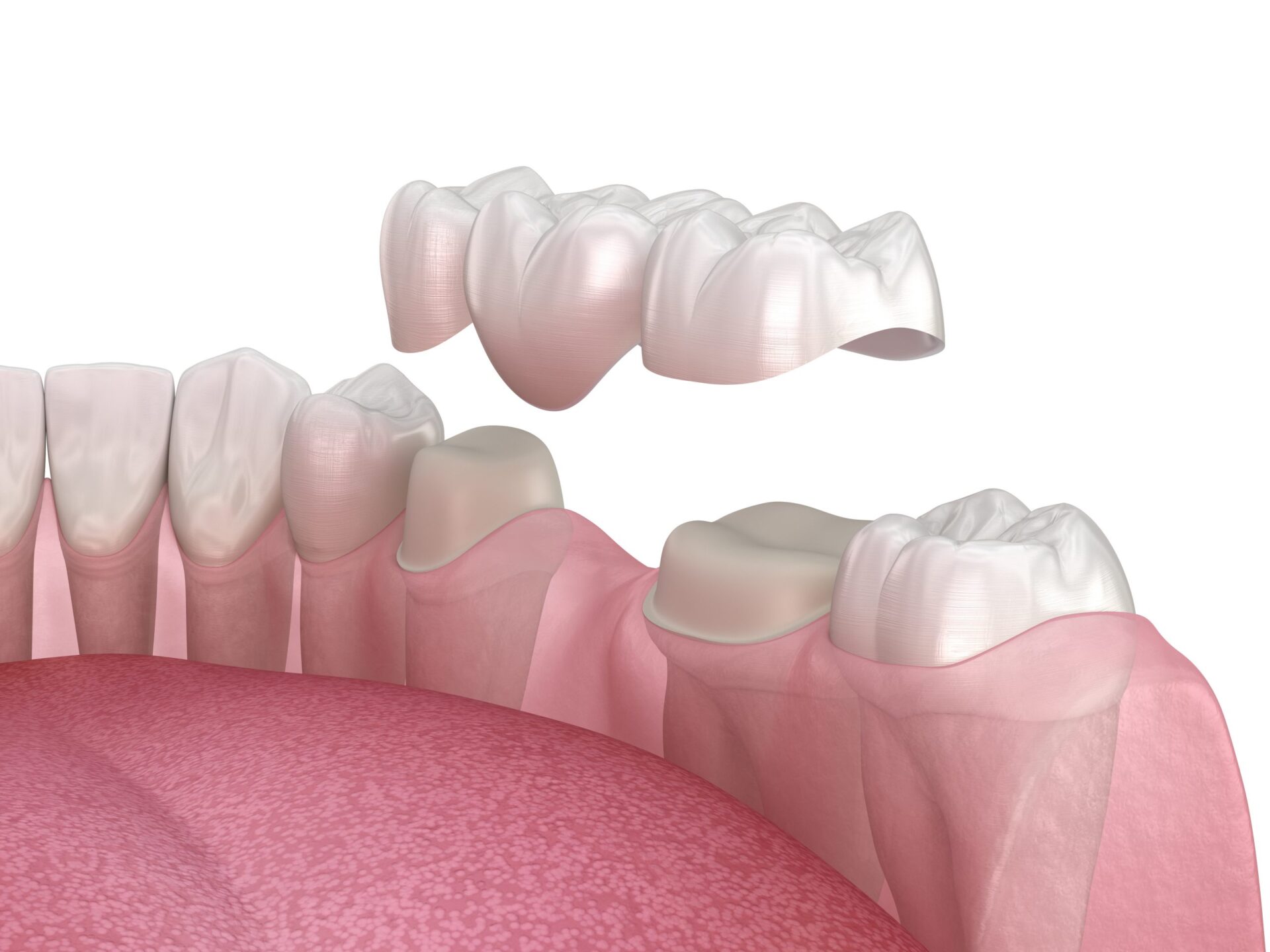
Dental bridges come in several forms, each with its corresponding CDT Code. Common types include:- Traditional Bridges – Supported by natural teeth on both sides of the gap. Typical CDT Codes: D6740 (three-unit porcelain/ceramic bridge).
- Maryland Bridges – Resin-bonded bridges anchored to adjacent teeth using metal or ceramic wings. CDT Codes often start with D6750.
- Cantilever Bridges – Anchored on only one side of the missing tooth. CDT Code examples include D6760.
- Implant-Supported Bridges – Bridges that rely on dental implants for support, coded under implant procedures like D6065.
How CDT Codes Affect Dental Billing
Billing and insurance claims in dentistry rely heavily on CDT Codes. Misclassification can lead to claim denials or unexpected out-of-pocket costs. For instance, submitting a code for a traditional bridge instead of an implant-supported bridge can result in incomplete coverage. Dentists and office staff must understand CDT Codes for dental bridges thoroughly to avoid discrepancies. Additionally, CDT Codes provide a standardized way to track treatment outcomes. Researchers, dental offices, and policy makers often analyze aggregated CDT Code data to identify trends in dental restorations, insurance coverage gaps, and regional differences in treatment choices. For more technical insights, the American Dental Association’s CDT resources provide official guidelines.The Connection Between CDT Codes and Dental Insurance
For patients, CDT Codes might seem like obscure numbers, but they are integral to insurance coverage. Insurers use these codes to determine whether a dental bridge procedure is covered, the percentage of coverage, and the maximum benefit allowed. Knowing the CDT Code for a procedure helps patients verify their insurance benefits before treatment. For example, a patient scheduled for an implant-supported bridge should confirm that the code (e.g., D6065) is covered under their policy. Understanding CDT Codes can also help patients anticipate co-pays or deductibles. This transparency minimizes surprises and allows better planning for restorative dental work.
Advances in CDT Code Classification for Bridges
Over the years, the CDT Code system has evolved to keep up with innovations in dental materials and techniques. For example, CAD/CAM fabricated bridges or hybrid implant-supported bridges may require updated codes. Dentists must stay informed about annual CDT updates to ensure proper documentation and billing. Scientific studies also emphasize that accurate CDT coding correlates with better patient outcomes. By tracking procedures systematically, dental professionals can refine treatment protocols and identify best practices for bridge longevity, material selection, and procedural efficiency.Practical Tips for Using CDT Codes in Your Practice
Dental offices can streamline their operations by integrating CDT Codes efficiently. Here are some tips:- Maintain an updated CDT Code reference for each type of bridge.
- Train staff to recognize differences between traditional, cantilever, and implant-supported bridges.
- Double-check codes before submitting insurance claims to avoid denials.
- Use dental management software with built-in CDT Code libraries for accuracy.
Future Trends: CDT Code and Digital Dentistry
The rise of digital dentistry, including 3D scanning and printing, is influencing CDT Code classification. Procedures like digital impressions and CAD/CAM bridges may require new or modified codes to reflect modern workflows. Staying ahead of coding updates ensures both compliance and optimal insurance reimbursement. Digital technology also allows detailed record-keeping, providing patients with precise documentation of materials, bridge types, and procedural steps. This improves transparency and contributes to patient trust in dental care. The CDT Code for a dental bridge is more than just a billing number. It represents the standardized language of dentistry, ensuring accurate documentation, seamless insurance processing, and informed decision-making for both patients and dental professionals. From traditional bridges to implant-supported restorations, understanding the relevant CDT Codes is crucial in today’s dental landscape. Accurate coding facilitates better patient care, smoother administrative operations, and insight into treatment trends across regions. By mastering CDT Codes, dental professionals can optimize billing and contribute to research and knowledge about restorative dental care. Whether you are a dentist, student, or patient, knowing these codes empowers you to navigate dental treatments with confidence and clarity.Get Your Free Consultation
Have questions? Leave your details and we'll get back to you as soon as possible.
Get Free Consultation