
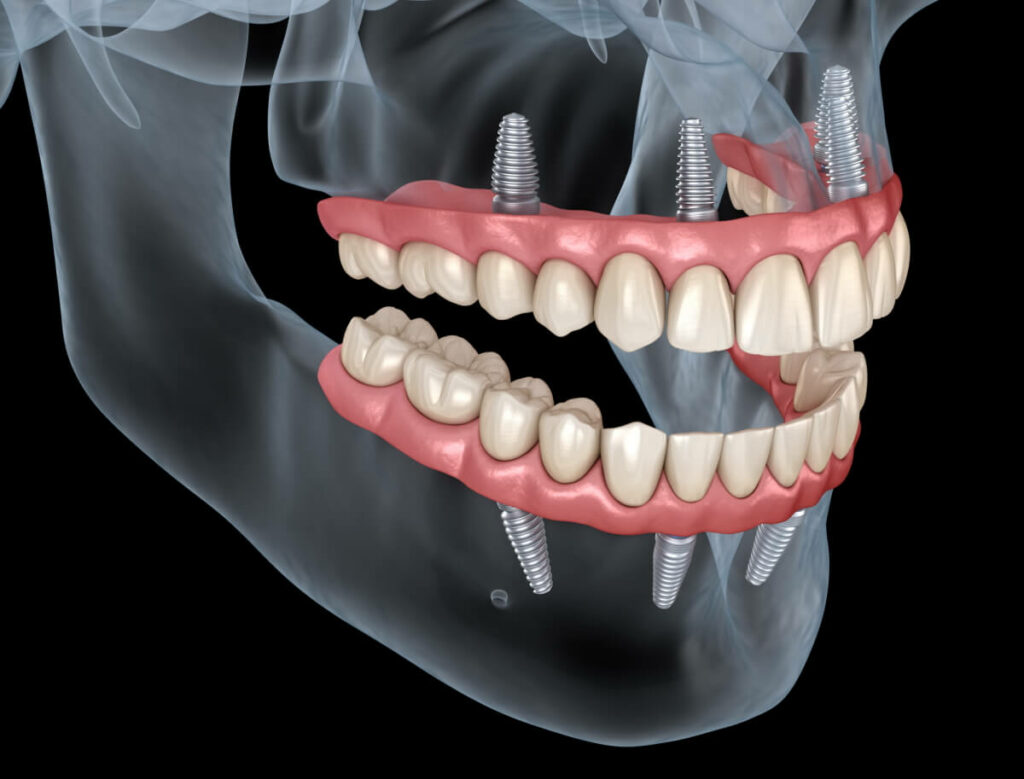
For many people wearing full dentures, the question of whether Dental Implants are still an option comes with a mix of curiosity and hope. Tooth loss can affect not only how you eat and speak, but also how confident you feel in social situations. Modern dentistry has evolved dramatically, and today, individuals with complete dentures often explore the possibility of upgrading to Dental Implants for improved comfort and stability.
At ClinicHI, we frequently meet patients who wonder if their journey with removable dentures is truly the final step. The short answer is that advancements in implant dentistry have opened new doors. However, every mouth tells a different story. Understanding how Dental Implants interact with full dentures requires a closer look at bone structure, oral health history, and long-term expectations.
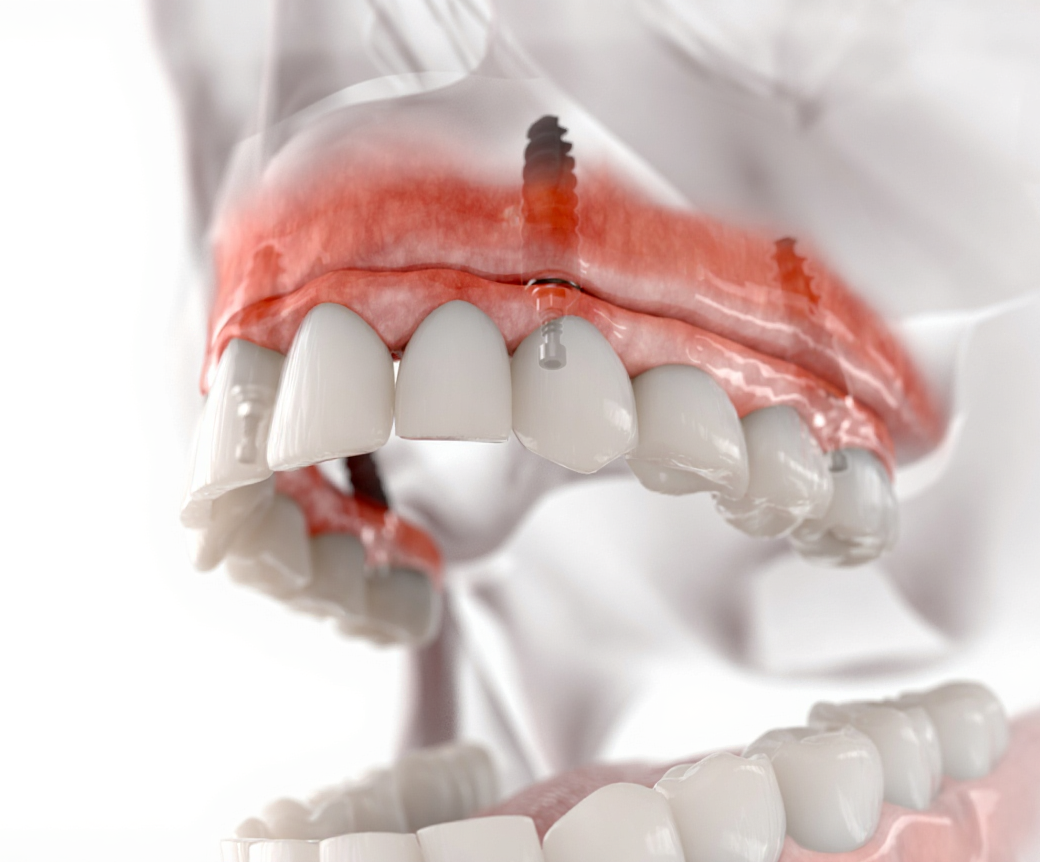
In an implant-retained overdenture, a few Dental Implants act as anchors. The denture can still be removed for cleaning, but it locks into place during daily use. This solution is often chosen for improved stability without transitioning to a fully fixed restoration.
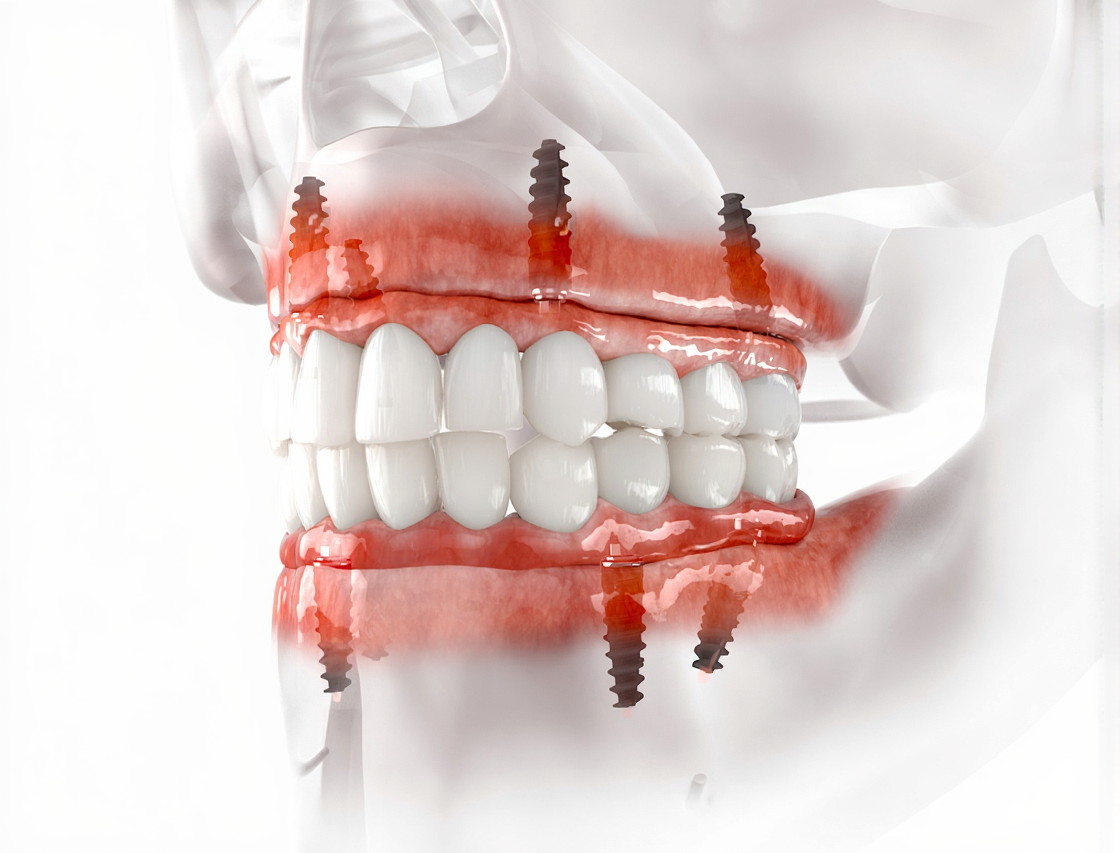
In contrast, fixed full-arch prosthetics supported by multiple Dental Implants remain in place and are only removed by a dental professional. These options aim to replicate the feeling of natural teeth more closely. The selection depends on clinical findings and patient preferences rather than a universal rule.
Understanding Dental Implants and How They Work with Full Dentures
Dental Implants are small, biocompatible titanium posts placed into the jawbone to function as artificial tooth roots. Over time, the surrounding bone gradually integrates with the implant surface in a biological process often referred to as osseointegration. This integration creates a stable foundation for replacement teeth. When someone already wears full dentures, Dental Implants can serve different purposes. Instead of replacing individual missing teeth one by one, implants may be strategically placed to support an implant-retained denture. In this approach, the existing or newly designed denture attaches securely to implants, reducing movement and improving chewing efficiency. Research in restorative dentistry has shown that implant-supported prosthetics can enhance bite force compared to conventional removable dentures. While traditional dentures rest on gum tissue, Dental Implants distribute functional pressure more naturally to the jawbone, potentially contributing to better long-term bone preservation.Why Patients with Full Dentures Consider Dental Implants
Many denture wearers report challenges such as slipping, clicking sounds while speaking, or discomfort during meals. These everyday inconveniences often lead people to explore Dental Implants as an alternative. There are several motivating factors:- Improved stability
- Enhanced chewing ability
- Greater confidence in speech
- Reduced need for adhesives
- A more natural feel
Types of Dental Implants Used with Full Dentures
Not all Dental Implants for denture wearers are the same. Treatment approaches differ depending on anatomy, bone density, and patient expectations. Below is a simplified comparison:| Approach | Number of Implants | Denture Type | Removable? |
| Implant-Retained Denture | 2–4 | Snap-on overdenture | Yes |
| Implant-Supported Denture | 4–6 | Fixed full arch | Usually No |
| All-on-4 Concept | 4 | Fixed bridge | No |
Are You a Candidate for Dental Implants If You Wear Full Dentures?
Candidacy for Dental Implants depends on several biological and medical factors. Jawbone volume plays a central role. Since dentures do not stimulate the bone like natural roots, long-term denture wearers may experience varying degrees of bone loss. However, reduced bone volume does not automatically exclude someone from implant treatment. Contemporary techniques such as bone grafting or angled implant placement may expand possibilities in certain situations. Each case requires detailed radiographic imaging and professional evaluation. General health conditions are also considered. Factors such as smoking habits, systemic diseases, and oral hygiene practices can influence implant success. Rather than offering absolute guarantees, reputable clinics like ClinicHI emphasize individualized assessments to determine whether Dental Implants align with a patient’s overall health profile.The Clinical Process of Transitioning from Dentures to Dental Implants
The transition from removable dentures to Dental Implants usually involves multiple stages. Although protocols differ, the process often includes:- Comprehensive examination and imaging
- Digital treatment planning
- Surgical placement of implants
- Healing and integration period
- Attachment of the new prosthetic restoration
Comparing Traditional Dentures and Dental Implants
Understanding the difference between conventional dentures and Dental Implants can clarify expectations. Traditional dentures:- Rest on gum tissue
- May require adhesives
- Can shift during speech or eating
- Do not stimulate underlying bone
- Anchored into jawbone
- Offer enhanced stability
- Provide improved bite force
- May contribute to bone preservation
Long-Term Considerations of Dental Implants for Denture Wearers
Long-term success of Dental Implants involves consistent oral hygiene and periodic professional evaluations. Although implants are not susceptible to cavities, surrounding tissues can still develop inflammation if plaque accumulates. Studies in implant dentistry often discuss peri-implant tissue health as a key factor in longevity. Maintaining clean implant surfaces and healthy gums contributes to stable outcomes over time. For former denture wearers, adapting to cleaning around implants may require some education and practice. From a lifestyle perspective, many individuals report enhanced confidence after transitioning to Dental Implants. The sense of security during meals or conversations can positively influence social interactions. While experiences vary, qualitative research frequently highlights psychological benefits alongside functional improvements.Rethinking Your Options with Dental Implants
Living with full dentures does not necessarily mean you have reached the final stage of tooth replacement. Advances in Dental Implants have expanded possibilities for individuals seeking improved stability and comfort. Whether through implant-retained overdentures or fully fixed restorations, modern implantology offers multiple pathways tailored to different anatomical and personal needs. At ClinicHI, our approach centers on detailed evaluation, transparent communication, and evidence-based planning. Rather than making absolute promises, we focus on exploring whether Dental Implants align with your goals and oral condition. For many denture wearers, the journey toward a more secure smile may still be evolving.Get Your Free Consultation
Have questions? Leave your details and we'll get back to you as soon as possible.
Get Free Consultation