
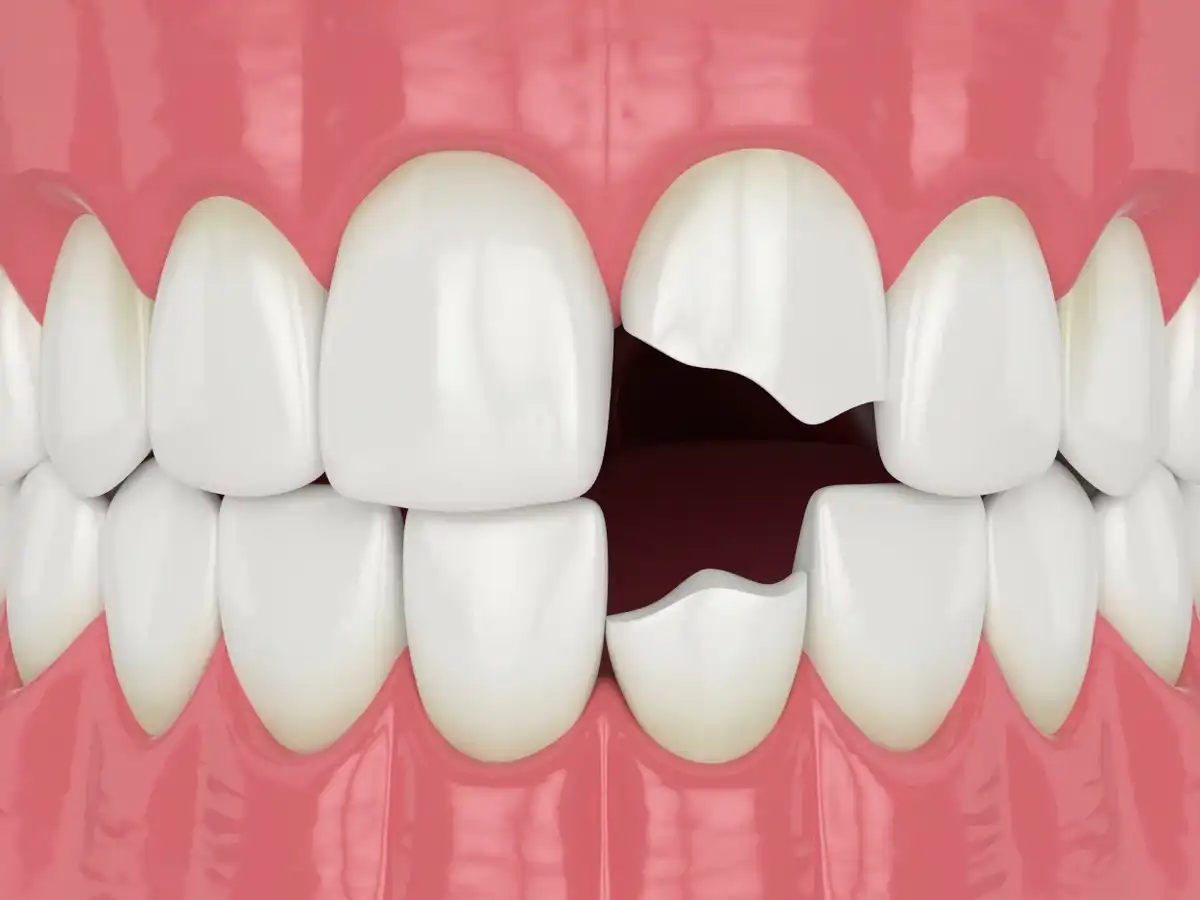
A broken tooth is one of the most alarming dental issues a person can experience. The sudden snap or chip can trigger immediate discomfort, cosmetic concern, and a flurry of questions about what to do next. One common thought that crosses many minds is whether household adhesives, like super glue, can serve as a temporary fix. While this idea might sound convenient, it opens a door to several potential complications, both short-term and long-term. Understanding the realities of repairing a broken tooth requires a closer look at dental structure, available treatment methods, and the science behind adhesives.
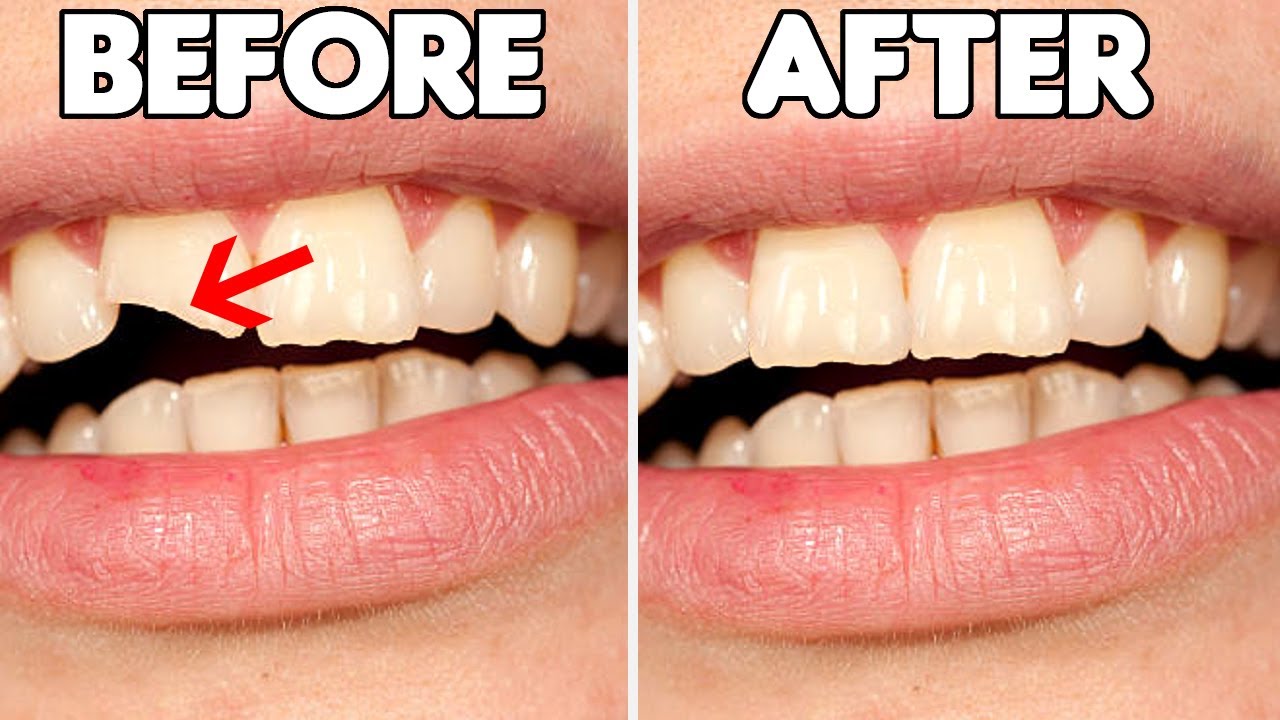
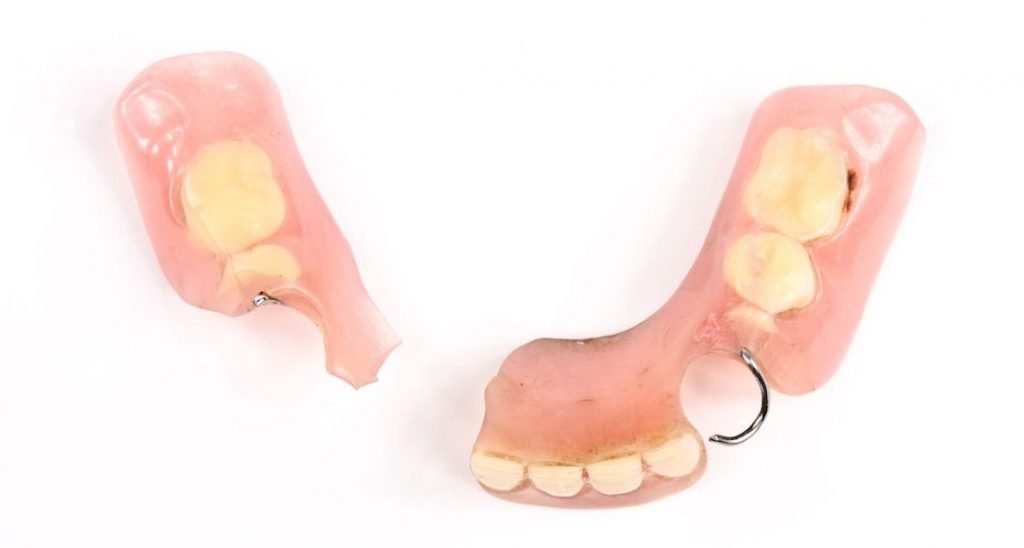
From a structural perspective, super glue fails to replicate the complex elasticity and strength of natural teeth. Dental bonding materials are designed specifically to mimic enamel and dentin, ensuring both durability and safety. This comparison illustrates why even temporary adhesive fixes can create more problems than solutions for a broken tooth.
Why a Broken Tooth Happens
A broken tooth can result from multiple causes. Trauma from accidents, sports injuries, and even simple biting on hard objects are frequent culprits. Studies suggest that enamel fractures often begin as micro-cracks that expand over time due to repetitive stress. Genetics can also play a role; some individuals naturally have weaker enamel or structural variations that make teeth more susceptible to chipping. Besides physical stress, lifestyle factors such as frequent consumption of acidic foods and beverages can erode enamel, leaving teeth more vulnerable. Even seemingly minor habits, like nail-biting or chewing ice, have been linked to higher rates of broken teeth. The complexity of causes underscores why treatment decisions require careful consideration rather than quick fixes with household chemicals.Can Super Glue Work on a Broken Tooth?
The idea of using super glue to repair a broken tooth often arises from desperation or convenience. Super glue is a cyanoacrylate-based adhesive designed for non-biological materials like metal, plastic, and ceramics. While it can bond surfaces quickly, it is not designed for oral use. Exposure to saliva, temperature changes, and the constant mechanical forces of chewing can compromise the bond and potentially introduce toxins into the mouth. Research on cyanoacrylates in medical applications shows limited safe use in controlled settings, such as skin closures or minor surgical adhesives. However, oral tissue and dental enamel present a far more complex environment. Using super glue on a broken tooth can lead to irritation, allergic reactions, and even worsen the fracture if the adhesive seeps into the pulp chamber.Short-Term Risks of Using Adhesives
While it might seem harmless to apply super glue as a stopgap solution for a broken tooth, short-term risks are significant. The glue can trap bacteria against the tooth surface, increasing the risk of infection. Furthermore, uneven application can lead to sharp edges that damage the tongue or inner cheeks. Some individuals have attempted to smooth the glue surface with tools or fingers, inadvertently causing micro-abrasions to the gum or tooth. These micro-injuries may not heal easily and can complicate subsequent dental treatments. Even if the broken tooth appears superficially restored, the underlying structure may still be compromised.Professional Alternatives to Fix a Broken Tooth
Fortunately, modern dentistry offers multiple options for addressing a broken tooth safely and effectively:- Dental Bonding: A composite resin is applied to restore the tooth shape and color.
- Porcelain Veneers: Ultra-thin shells cover the front of the tooth for cosmetic repair.
- Crowns: A cap covers the tooth, providing both protection and functionality.
- Root Canal Therapy: Necessary if the pulp is exposed or damaged, often followed by a crown.
The Science Behind Tooth Repair
Repairing a broken tooth is not just about aesthetics; it’s about structural integrity. Enamel and dentin work together to withstand biting forces, and any adhesive used must replicate their strength and resilience. Dental composites and bonding agents are engineered to bond chemically with enamel while tolerating moisture, temperature shifts, and mechanical stress. Clinical studies demonstrate that modern dental resins can restore up to 90% of the original tooth strength. In contrast, super glue lacks elasticity and long-term bonding capability in the oral environment. Over time, the stress of chewing can fracture the glue, leading to more extensive damage.What You Should Do Immediately After a Broken Tooth
Immediate action after a broken tooth can influence both the success of professional repair and long-term oral health:- Rinse the mouth gently with warm water to remove debris.
- Save any fragments if possible; these can help with dental restoration.
- Avoid chewing on the affected side to prevent further breakage.
- Apply a cold compress externally if swelling occurs.
How Dentists Assess a Broken Tooth
When a patient presents with a broken tooth, dentists perform a multi-step evaluation to determine the extent of damage. This assessment often includes visual inspection, X-rays, and sometimes 3D imaging to evaluate root integrity and pulp condition. The type of break—whether a simple chip, fracture, or vertical split—guides the treatment plan. Studies show that timely intervention can prevent further complications, such as infection or tooth loss. Even minor chips may expose dentin, increasing sensitivity and vulnerability to decay. Therefore, understanding the severity of a broken tooth is essential before considering any home remedies, including adhesives.Temporary Measures: Do They Help?
While using super glue is not recommended, there are safe temporary measures to manage discomfort from a broken tooth until professional care is available:- Dental wax or sugar-free gum can cover sharp edges.
- Over-the-counter pain relief helps manage sensitivity.
- Saltwater rinses reduce bacterial load in the mouth.
Comparing Super Glue to Dental Bonding
| Feature | Super Glue | Dental Bonding |
| Biocompatibility | Low | High |
| Resistance to Saliva | Poor | Excellent |
| Ability to Restore Strength | Minimal | Up to 90% |
| Risk of Infection | High | Low |
| Longevity | Hours to days | Years |
Long-Term Consequences of Ignoring a Broken Tooth
Neglecting a broken tooth, or attempting DIY fixes, can have serious consequences:- Infection: Exposed pulp allows bacteria to infiltrate the root canal.
- Misalignment: Adjacent teeth may shift to compensate for the damaged tooth.
- Wear and Tear: Uneven chewing surfaces accelerate enamel erosion elsewhere.
- Aesthetic Concerns: Unrepaired chips affect smile symmetry and confidence.
Innovative Techniques in Broken Tooth Repair
Recent advances in dentistry have expanded options for repairing broken teeth. Some notable innovations include:- 3D-Printed Crowns: Allow precise reconstruction based on individual tooth morphology.
- Nanocomposite Materials: Provide stronger bonding and better aesthetic matching with natural enamel.
- Laser-Assisted Bonding: Improves adhesion and reduces sensitivity after restoration.
The Role of Enamel and Dentin in a Broken Tooth
To understand why adhesives like super glue fail, it’s important to examine the anatomy of a broken tooth. Enamel, the hardest substance in the human body, protects dentin and pulp. Dentin is slightly elastic and absorbs chewing forces. Effective repair must account for both layers. When a tooth fractures, stress distribution changes. Using an inappropriate adhesive can trap stress points, making the fracture worse. In contrast, dental composites bond chemically with enamel, restoring strength and distributing pressure evenly. This distinction highlights why professional intervention is irreplaceable.When to See a Dentist for a Broken Tooth
A broken tooth is rarely a problem that can be safely resolved at home. Prompt dental consultation ensures the best outcome. Experts recommend seeing a dentist immediately if there is:- Severe pain or swelling
- Exposure of the tooth pulp
- A large fragment that can be preserved
- Difficulty chewing or biting
Common Myths About Fixing a Broken Tooth
Several misconceptions persist regarding home remedies for a broken tooth. Let’s explore a few:- “Super glue is a safe temporary fix.” Reality: While it may hold fragments briefly, chemical exposure and mechanical stress make it unsafe.
- “Minor chips don’t need treatment.” Reality: Even small fractures can lead to sensitivity, decay, or infection if ignored.
- “Dental repair is always painful.” Reality: Modern dentistry uses anesthesia and minimally invasive techniques, making treatment comfortable and precise.
Psychological Impact of a Broken Tooth
Beyond physical damage, a broken tooth can affect confidence, social interactions, and self-esteem. Studies in cosmetic dentistry reveal that even minor visible chips influence how people perceive their smile. Quick, safe repair not only restores dental function but also improves emotional well-being. Attempting unsafe DIY fixes like super glue may temporarily mask the damage but often worsens anxiety when complications arise. Professional treatment addresses both the aesthetic and psychological dimensions of a broken tooth.Why Super Glue Isn’t a Solution
While the idea of using super glue on a broken tooth might seem tempting, it is neither safe nor effective. Household adhesives cannot replicate the complex structure of enamel and dentin, may introduce toxins, and can increase the risk of infection and further damage. Modern dentistry offers numerous scientifically proven methods for repairing a broken tooth, from bonding and veneers to crowns and advanced 3D techniques. Immediate professional care ensures long-term function, aesthetics, and oral health. Ultimately, the best approach is a combination of careful emergency management and expert dental intervention. This strategy not only restores the tooth but also prevents complications that could require more invasive treatments in the future.Get Your Free Consultation
Have questions? Leave your details and we'll get back to you as soon as possible.
Get Free Consultation