
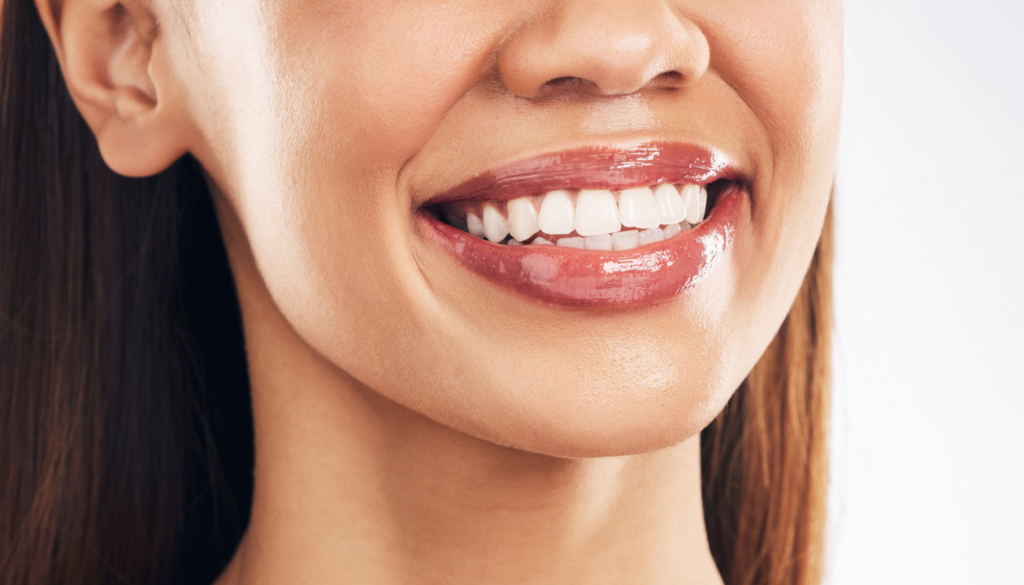
Teeth play a central role in how we speak, chew, smile, and express ourselves. For many people, the question is not whether they want straighter teeth, but whether Teeth can realistically be aligned at any stage of life. Is orthodontic correction limited to adolescence, or can adults and even seniors safely pursue alignment?
At ClinicHI, we approach this topic with scientific curiosity and clinical responsibility. Modern orthodontics has evolved dramatically over the past two decades. Advances in biomechanics, digital imaging, and material science suggest that Teeth movement is not strictly age dependent. However, age does influence bone metabolism, gum health, and treatment planning.
The table shows that Teeth alignment remains feasible across life stages, provided the oral environment is stable.
How Teeth Move Biologically at Different Ages
Understanding how Teeth move requires a brief look at bone physiology. Orthodontic movement does not push Teeth through bone. Instead, it stimulates a controlled biological response. When gentle pressure is applied, bone on one side of the tooth root resorbs while new bone forms on the opposite side. This process is called bone remodeling. In adolescents, bone turnover tends to be faster. The jawbone is still developing, which often makes orthodontic correction more predictable. However, research indicates that adult bone tissue retains its capacity to remodel throughout life. This means Teeth can shift even in later decades, though the rate of movement may differ. Age itself is not a strict barrier. Instead, the condition of the periodontal tissues plays a larger role. Healthy gums and stable bone levels create a favorable environment for aligning Teeth at almost any age.Teeth Alignment in Children and Teenagers
When discussing early orthodontics, Teeth alignment during growth years often receives the most attention. In childhood and adolescence, the jaw is more adaptable. Interceptive treatments can guide eruption patterns and create space for permanent Teeth. During teenage years, comprehensive orthodontic treatment is common. Braces or aligners can reposition Teeth efficiently because growth may still be occurring. The presence of mixed dentition in younger children also allows orthodontists to influence jaw development in some cases. However, early treatment is not always mandatory. Many individuals who did not receive orthodontic care in youth still achieve successful alignment later in life. The idea that Teeth must be straightened before adulthood is increasingly outdated.Can Adult Teeth Be Straightened Successfully?
Adult orthodontics has grown significantly in recent years. Studies in dental journals consistently show that adult Teeth respond to orthodontic forces in a biologically similar way to younger Teeth. The main differences lie in bone density, healing rate, and existing restorations. Adults often present with crowns, fillings, or previous dental work. These factors require detailed planning. Yet, none of them automatically prevent Teeth from being aligned. In fact, many adults pursue orthodontics to improve oral hygiene access or prepare for restorative treatments. Below is a simplified comparison of orthodontic considerations by age:| Age Group | Bone Remodeling Speed | Common Challenges | Alignment Potential |
| Children | Faster | Growth changes | High |
| Teens | Moderate to fast | Compliance | High |
| Adults | Moderate | Gum health, restorations | High with planning |
| Seniors | Slower | Bone density, systemic factors | Possible if healthy |
Factors That Influence Teeth Straightening Outcomes
Age alone does not determine success. Several biological and lifestyle variables influence how Teeth respond to orthodontic treatment.- Periodontal health
- Bone density
- Smoking habits
- Systemic health conditions
- Oral hygiene quality
Modern Technologies That Support Teeth Alignment at Any Age
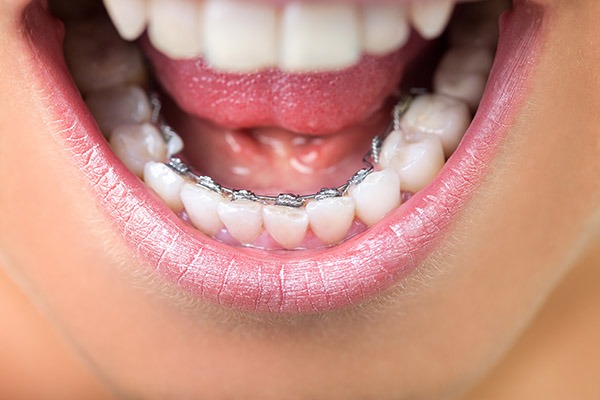
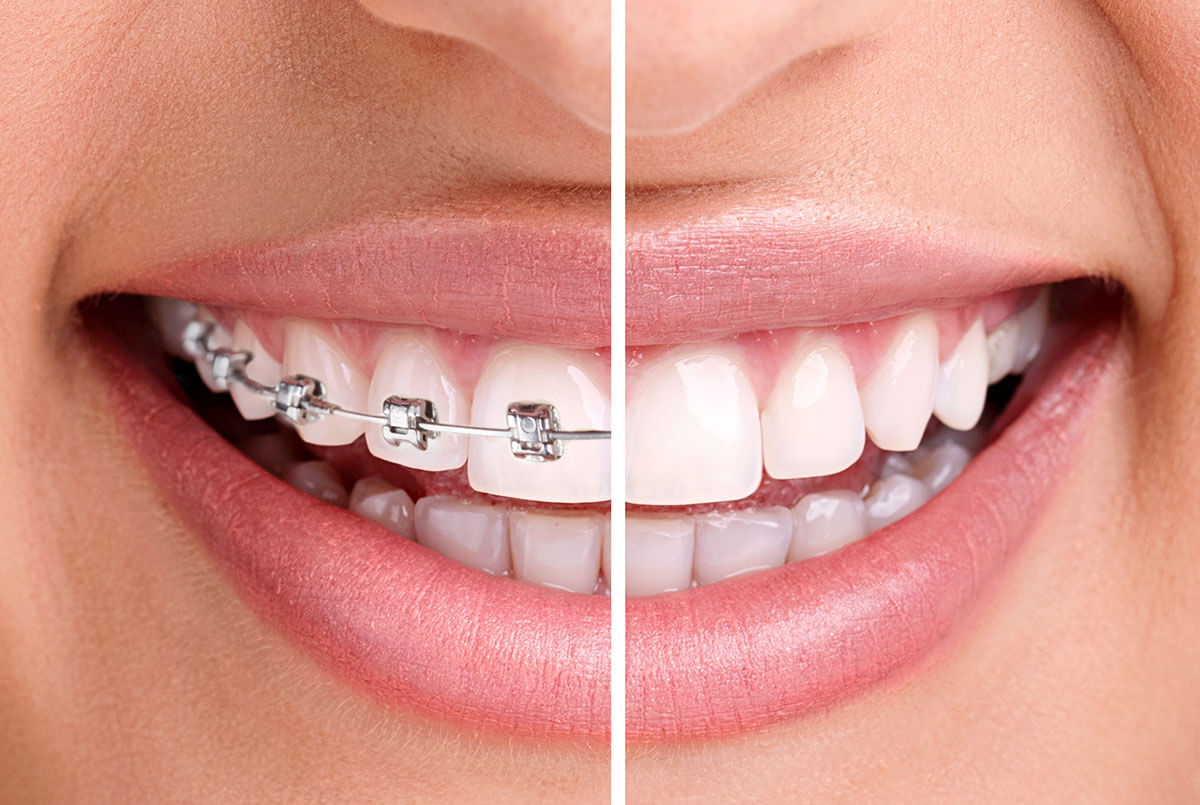
The evolution of orthodontic technology has changed perceptions about adult treatment. Digital scanning, 3D treatment simulations, and customized aligners have improved planning accuracy for moving Teeth. Clear aligner systems use sequential trays to guide Teeth gradually. These systems rely on digital modeling to calculate force distribution. While traditional braces remain effective, aligners offer discreet alternatives that appeal to adults. Additionally, temporary anchorage devices and advanced archwire materials allow orthodontists to control Teeth movement more precisely. These innovations reduce unnecessary force and enhance comfort. Importantly, technological advancements do not eliminate biological limits. Instead, they optimize how Teeth respond within those limits.Psychological and Functional Benefits of Straighter Teeth
The impact of aligned Teeth extends beyond aesthetics. Functional improvements may include better bite balance and easier cleaning access. Crowded Teeth can sometimes create plaque retention zones, while aligned dentition often simplifies brushing and flossing. From a psychosocial perspective, many adults report increased self confidence after orthodontic correction. Smiling freely can influence social interactions and professional presence. Though research varies in methodology, surveys suggest that straighter Teeth may positively affect perceived attractiveness and communication clarity. It is important to avoid exaggerated claims. Orthodontics does not guarantee life transformation. However, balanced occlusion and improved alignment often contribute to overall oral harmony.Are There Age Limits for Teeth Straightening?
A common misconception is that orthodontics has a strict upper age limit. In reality, there is no universal cut off point at which Teeth can no longer move. Bone metabolism continues throughout life, albeit at different rates. For senior patients, evaluation becomes more comprehensive. Bone density, medication use, and gum stability must be assessed. If these factors are favorable, Teeth alignment can still be considered. What changes with age is not the possibility of movement, but the complexity of planning. Treatment duration may vary, and interdisciplinary collaboration may be required. Periodontists, prosthodontists, and orthodontists often work together to ensure that Teeth are repositioned safely.Long Term Stability of Straightened Teeth
Another important question is whether straightened Teeth remain stable. Relapse can occur at any age. Teeth have a natural tendency to shift slightly over time due to aging, chewing forces, and changes in jaw structure. Retention protocols, such as removable or fixed retainers, help maintain alignment. Long term stability depends on biological memory within periodontal fibers and patient adherence. Even in young patients, Teeth may shift without proper retention. Interestingly, studies suggest that minor crowding can increase naturally with age, regardless of prior orthodontic history. This reinforces the importance of maintenance after Teeth alignment.Teeth Can Be Straightened at Nearly Any Age with Proper Planning
So, can Teeth be straightened at any age? Scientific evidence indicates that the biological mechanism allowing Teeth movement persists throughout life. While adolescents may experience faster responses, adults and even older individuals can achieve meaningful alignment when oral health conditions are stable. At ClinicHI, the emphasis is not on age, but on comprehensive assessment. Bone quality, gum health, lifestyle factors, and personal expectations all shape the treatment approach. Orthodontics is no longer confined to youth. Modern techniques and interdisciplinary planning have expanded the possibilities for Teeth alignment across generations. Ultimately, straighter teeth are less about chronological age and more about biological readiness. With careful evaluation and realistic expectations, alignment can remain an accessible goal at almost any stage of life.Get Your Free Consultation
Have questions? Leave your details and we'll get back to you as soon as possible.
Get Free Consultation