When it comes to recovery after Implant Surgery, one of the most common questions patients ask is surprisingly simple: can yogurt be part of the healing diet? While the answer may seem obvious at first glance, the reality involves a deeper understanding of oral healing, nutrition science, and post-operative care routines.Yogurt is often perceived as a safe and soothing food, especially after dental procedures. However, after Implant Surgery, even soft foods require thoughtful consideration.
What Happens in Your Mouth After Implant Surgery?
Following Implant Surgery, the body begins a complex healing process called osseointegration. This is where the implant fuses with the jawbone, creating a stable foundation for the artificial tooth. During this phase, the surgical site remains sensitive, and any irritation can potentially interfere with healing.The soft tissue around the implant is also undergoing regeneration. This makes the area more vulnerable to bacterial accumulation, inflammation, and mechanical disruption. Because of this, dietary choices become more than just comfort based decisions. They directly influence recovery outcomes.From a biological perspective, the first 72 hours after Implant Surgery are critical. Blood clot formation, immune response activation, and tissue repair all take place during this window. Foods that are too hot, too hard, or overly acidic can disturb this delicate balance.
Is Yogurt Safe After Implant Surgery?
Yogurt is generally considered a soft, non-irritating food, which makes it appealing after Implant Surgery. Its smooth texture requires minimal chewing, reducing the risk of disturbing the surgical area. Additionally, its cooling effect can provide temporary relief from post-operative discomfort.However, not all yogurts are created equal. Some varieties contain high levels of sugar, artificial flavorings, or acidic fruits. These additives can potentially irritate the surgical site or promote bacterial growth. Therefore, while yogurt can be included after Implant Surgery, the type and timing matter significantly.Another factor to consider is temperature. Extremely cold yogurt may cause sensitivity in some patients, especially if nerve endings are exposed. Moderation is key, both in portion size and temperature.
Nutritional Benefits of Yogurt After Implant Surgery
One of the main reasons yogurt is often recommended after Implant Surgery is its nutritional profile. It contains essential nutrients that support healing and immune function.Here is a breakdown of yogurt’s key components:
Nutrient
Benefit for Recovery
Protein
Supports tissue repair and regeneration
Calcium
Aids in bone healing and strength
Probiotics
Helps maintain oral and gut microbiome balance
Vitamin B12
Supports red blood cell formation
Protein plays a particularly important role after Implant Surgery, as it contributes to collagen production and tissue repair. Meanwhile, calcium is crucial for bone integration, a core part of implant success.Probiotics in yogurt may also support overall oral health by balancing harmful bacteria. However, research on probiotics directly impacting dental implant recovery is still evolving, and results are not yet definitive.
When Should You Start Eating Yogurt After Implant Surgery?
Timing is an essential factor after Implant Surgery. While yogurt is soft, introducing any food too soon can disrupt clot formation or irritate the surgical site.In most cases, patients begin consuming soft foods within the first 24 hours after Implant Surgery. Yogurt can typically be introduced during this phase, provided it is plain, smooth, and consumed gently.That said, individual recovery timelines vary. Some patients may experience more swelling or sensitivity, making even soft foods uncomfortable initially. Listening to your body and following professional guidance is always advisable.It is also important to avoid using a straw when consuming yogurt or any liquid-like food. The suction can dislodge the blood clot, leading to complications such as dry socket.
Types of Yogurt to Prefer After Implant Surgery
Not every yogurt option is ideal after Implant Surgery. Choosing the right type can make a significant difference in comfort and recovery.Here are some recommended options:
Plain Greek yogurt
Unsweetened natural yogurt
Lactose-free yogurt if sensitivity exists
And here are types to avoid:
Yogurt with crunchy toppings like granola
Highly sugary flavored yogurts
Yogurts with acidic fruits such as citrus
Plain yogurt is often the safest choice after Implant Surgery because it minimizes exposure to irritants. Greek yogurt, in particular, offers higher protein content, which may support tissue repair.Texture also matters. Yogurt should be completely smooth without seeds or chunks that could lodge near the implant site.
Potential Risks of Eating Yogurt After Implant Surgery
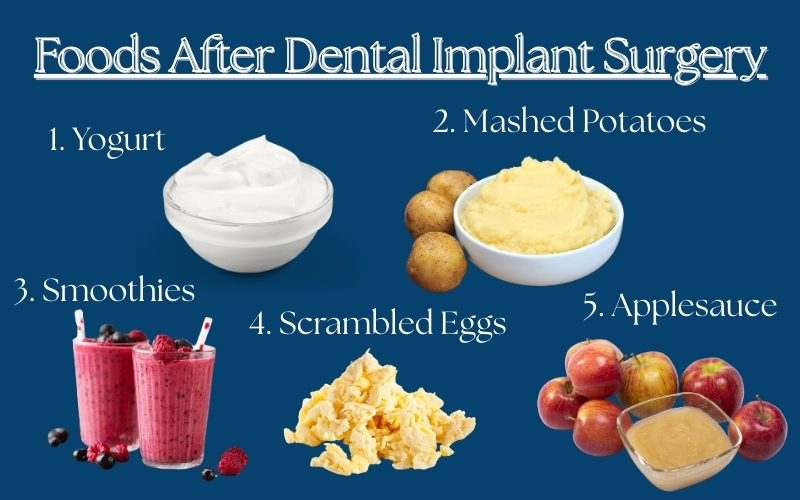
Although yogurt is generally safe, there are a few potential risks associated with consuming it after Implant Surgery.One concern is sugar content. Many commercial yogurts contain added sugars, which can promote bacterial growth in the mouth. This may increase the risk of infection around the implant site.Another consideration is acidity. Some yogurts, especially flavored ones, have a lower pH. Acidic environments can irritate healing tissues and may contribute to discomfort.There is also a behavioral risk. Patients may feel overly confident eating soft foods and accidentally apply pressure while chewing. Even with yogurt, it is important to eat slowly and avoid the surgical area.Foods After Dental Implant Surgery
Smart Eating Habits During Implant Surgery Recovery
Diet after Implant Surgery is not just about choosing soft foods. It involves adopting habits that protect the surgical site and support healing.Here are a few practical strategies:
Eat slowly and mindfully
Use the opposite side of the mouth for chewing
Avoid extreme temperatures in food and drinks
Maintain proper oral hygiene without disturbing the implant area
Hydration is equally important. Drinking enough water helps maintain saliva production, which plays a role in natural oral defense mechanisms.Combining yogurt with other soft foods like mashed potatoes, smoothies, or soups can create a balanced recovery diet after Implant Surgery.
How Yogurt Fits Into a Long-Term Implant Diet
While yogurt is particularly useful in the early days after Implant Surgery, it can also remain part of a long-term oral health strategy.Its calcium and protein content continue to support bone and gum health even after the initial healing phase. Additionally, probiotic-rich foods may contribute to a balanced oral microbiome over time.However, dietary diversity is essential. Relying solely on yogurt or soft foods for too long may limit nutrient intake. Gradually reintroducing solid foods is a natural part of recovery after Implant Surgery.Understanding how foods interact with oral health allows patients to make more informed decisions beyond the immediate post-operative period.
A Balanced Approach to Yogurt After Implant Surgery
So, can you eat yogurt after Implant Surgery? In most cases, yes, but with thoughtful consideration. Yogurt offers a combination of comfort, nutrition, and convenience that aligns well with early recovery needs.Still, the key lies in choosing the right type, consuming it at the right time, and maintaining proper eating habits. Recovery after Implant Surgery is a multifaceted process where even small decisions can influence outcomes.ClinicHI emphasizes informed choices and patient awareness. By understanding how foods like yogurt interact with healing tissues, patients can navigate recovery more confidently and comfortably.
Get Your Free Consultation
Have questions? Leave your details and we'll get back to you as soon as possible.
I have always viewed dentistry as more than just performing treatments; I prioritize building trust-based communication with my patients, aiming to ensure their comfort and satisfaction. My goal is to add both health and aesthetic value to each individual's smile through my knowledge and experience.