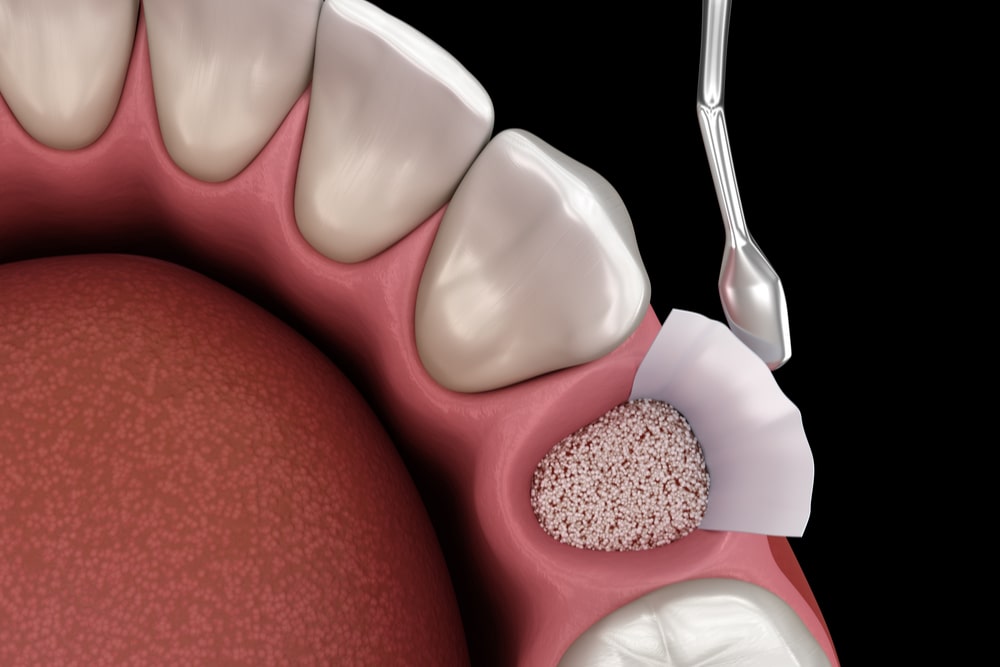
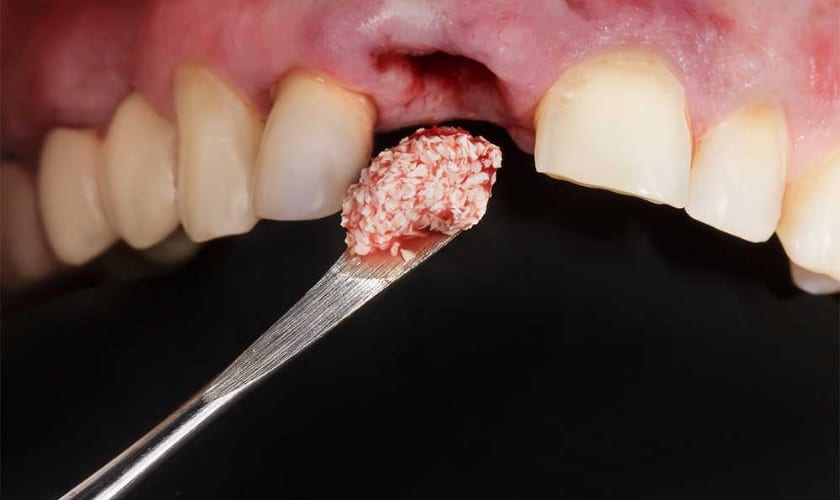
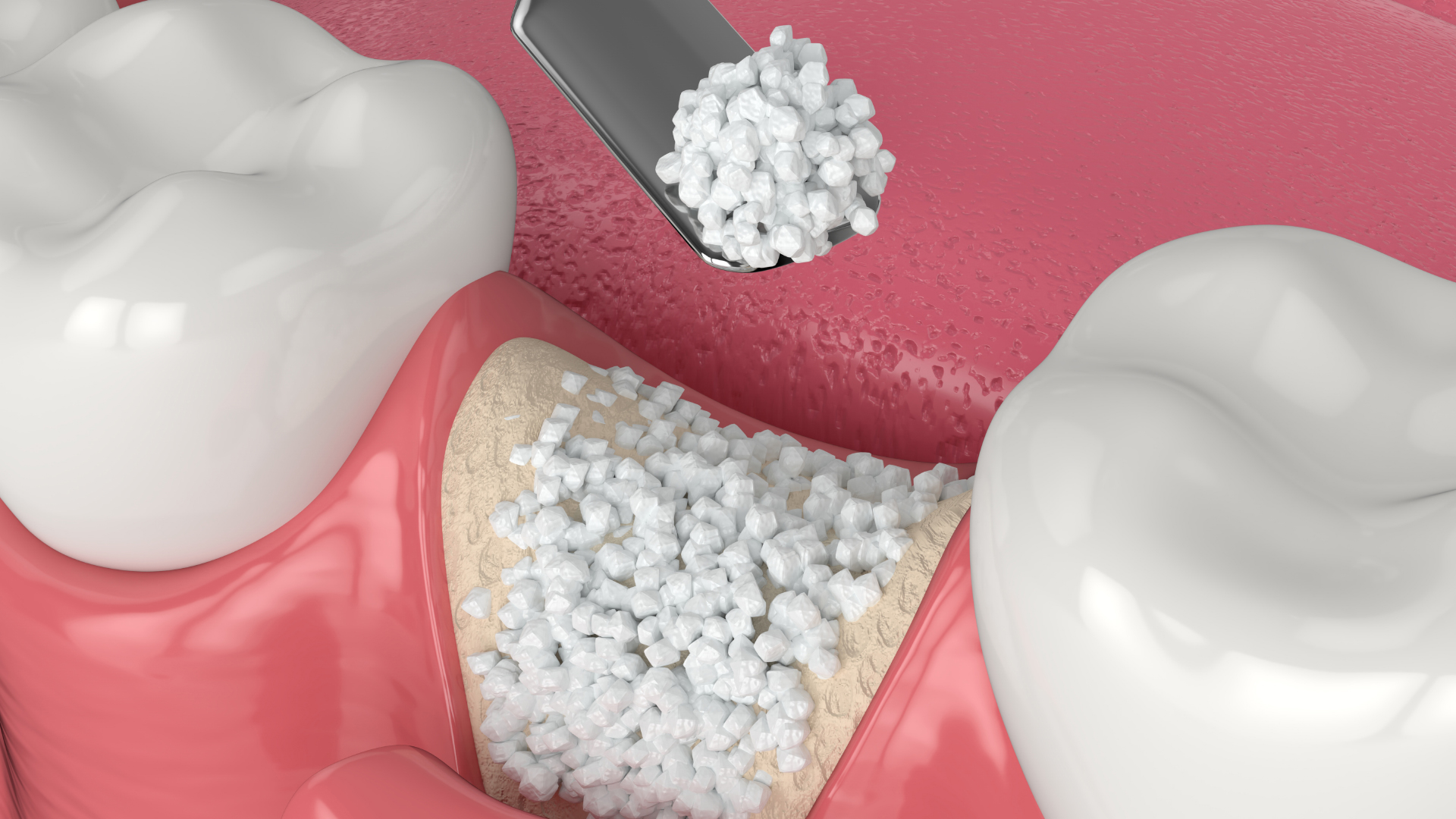
A Dental Bone Graft is a widely used procedure in modern dentistry, especially in implantology and reconstructive treatments. Yet despite its routine application, some patients quietly wonder whether a Dental Bone Graft could increase cancer risk. This concern often arises from misinformation, fear of foreign materials, or misunderstandings about how bone regeneration works.Dental Bone Grafting in Cottleville, MO, Cottleville Smiles
What Is a Dental Bone Graft and Why Is It Performed?
A Dental Bone Graft is a regenerative procedure designed to restore lost or weakened jawbone tissue. Bone loss can occur due to periodontal disease, tooth extraction, trauma, cyst removal, or long term tooth absence. When bone volume becomes insufficient, implant placement may not be possible without reinforcement.The procedure typically involves placing grafting material into the deficient area. Over time, the body integrates this material and stimulates new bone formation. The term bone grafting may refer to different sources of graft material:
Graft Type
Source
Biological Activity
Autograft
Patient’s own bone
High integration
Allograft
Human donor tissue
Scaffold support
Xenograft
Animal derived bone
Structural matrix
Synthetic graft
Biocompatible laboratory material
Controlled stability
A Dental Bone Graft functions primarily as a scaffold that allows the body’s own cells to regenerate bone. It does not behave like an active tumor forming substance. Instead, it creates a structured environment for healing.
How Does Dental Bone Graft Material Interact with the Body?
Understanding whether a Dental Bone Graft could lead to cancer requires examining how graft materials behave biologically. Most modern grafts are processed to remove cellular components. This significantly reduces immunological reactions and eliminates living donor cells.From a cellular perspective, a bone graft acts as an osteoconductive matrix. It supports:
Blood vessel formation
Migration of osteoblast cells
Gradual resorption and replacement with natural bone
Importantly, carcinogenesis typically involves genetic mutations within living cells. Since a Dental Bone Graft does not introduce proliferating foreign cells, its biological behavior differs from tissues associated with malignant transformation.Scientific evaluations of dental bone augmentation materials focus heavily on biocompatibility testing. International regulatory agencies require cytotoxicity, genotoxicity, and carcinogenicity assessments before approval. While no medical intervention is described as zero risk, current clinical data does not demonstrate a direct causal relationship between Dental Bone Graft procedures and cancer development.
Examining Research on Dental Bone Graft and Cancer Risk
The question “Can a Dental Bone Graft cause cancer?” has been explored in academic literature, particularly within oral pathology and implant research. Most available studies focus on long term implant survival and graft integration rather than oncologic outcomes.Large scale reviews of bone grafting in dentistry have not established consistent evidence linking graft materials to oral cancer. In cases where malignancies were diagnosed near grafted areas, further analysis often revealed unrelated risk factors such as tobacco use, alcohol consumption, viral infections, or pre existing lesions.Researchers also examine foreign body reactions. Chronic inflammation can theoretically influence cellular changes. However, modern graft materials are engineered to minimize inflammatory response. Controlled inflammation during healing is part of normal tissue regeneration and differs from persistent pathological inflammation associated with cancer biology.While isolated case reports exist in medical literature describing tumors near surgical sites, correlation does not equal causation. Current evidence does not support the conclusion that a Dental Bone Graft independently initiates malignant transformation.
Risk Factors That Matter More Than Dental Bone Graft
When discussing oral cancer, established risk factors provide clearer associations than grafting procedures. These include:
Tobacco use
Excessive alcohol consumption
Human papillomavirus infection
Chronic irritation
Genetic predisposition
A Dental Bone Graft does not fall within recognized primary risk categories in oncology guidelines. Instead, its safety profile is evaluated in terms of infection, graft failure, or delayed healing.It is also important to differentiate between oral cancer and metastatic lesions originating elsewhere. Sometimes jaw abnormalities are discovered during imaging performed for implant planning. In such cases, the underlying pathology predates the grafting procedure.Clinical protocols at institutions like ClinicHI involve careful radiographic assessment before performing a Dental Bone Graft. Suspicious lesions are investigated before treatment proceeds. This step reduces the likelihood of overlooking pre existing pathology.
Are Certain Dental Bone Graft Materials Safer Than Others?
Different types of Dental Bone Graft materials undergo varying levels of processing. Autografts, harvested from the patient’s own body, eliminate donor related concerns. Allografts are sterilized and demineralized to remove antigenic elements. Xenografts are purified extensively to retain only mineral structure.Synthetic bone substitutes are manufactured under controlled laboratory conditions. They are often composed of calcium phosphate or hydroxyapatite. These compounds resemble the mineral phase of natural bone.From an oncologic perspective, no specific graft type has been conclusively associated with cancer development in large population analyses. Safety monitoring continues through post market surveillance and long term implant follow up studies.Biomaterial research emphasizes:
Chemical stability
Controlled degradation
Absence of mutagenic compounds
Minimal chronic inflammation
While patients may prefer one graft type over another for personal reasons, the available evidence does not indicate that one Dental Bone Graft category carries a defined cancer risk while others do not.
The Role of Chronic Inflammation in Dental Bone Graft Sites
A nuanced discussion requires addressing inflammation. Persistent inflammation in any tissue may influence cellular behavior. However, surgical healing after a Dental Bone Graft typically follows predictable stages:
Hemostasis
Inflammatory phase
Proliferative phase
Remodeling
This process is self limiting in healthy individuals. Chronic inflammation, by contrast, involves ongoing irritation or infection. Poor oral hygiene, untreated periodontal disease, or repeated trauma could theoretically create long term inflammatory environments.That said, inflammation related specifically to a successfully integrated Dental Bone Graft is generally temporary. Clinical monitoring aims to detect infection early and ensure stable healing.It is essential to distinguish between theoretical biological pathways and documented clinical outcomes. While inflammation plays a recognized role in cancer biology, there is insufficient evidence linking routine bone graft healing to malignant transformation.
Long Term Monitoring After Dental Bone Graft Procedures
Long term follow up is standard in implant dentistry. After a Dental Bone Graft, radiographic evaluations help assess bone density and integration. These evaluations serve not only implant planning but also overall oral health monitoring.Routine dental examinations allow clinicians to identify unusual changes in soft or hard tissues. Early detection of abnormalities, regardless of cause, remains the most effective strategy in oral oncology.At ClinicHI, protocols emphasize comprehensive assessment before and after any Dental Bone Graft. This includes reviewing medical history, evaluating systemic conditions, and documenting healing progress. Transparent communication helps patients understand both benefits and uncertainties.Patients often find reassurance in understanding that regulatory bodies require rigorous testing before graft materials reach clinical practice. Continuous research contributes to evolving safety standards.
What Does the Evidence Suggest?
The available scientific literature does not establish a direct causal link between a Dental Bone Graft and cancer development. While absolute guarantees rarely exist in medicine, current data suggests that bone grafting materials used in dentistry are biocompatible and carefully evaluated.Concerns about malignancy often stem from understandable anxiety about surgical interventions. However, when examined through biological mechanisms, epidemiological studies, and clinical monitoring practices, the evidence does not indicate that a properly performed Dental Bone Graft inherently triggers cancer.For individuals considering implant therapy or reconstructive procedures, informed discussions with qualified professionals remain essential. By understanding both known risks and unsupported fears, patients can approach treatment decisions with clarity rather than uncertainty.ClinicHI remains committed to evidence based practice, transparency, and patient centered care. Ongoing research continues to refine regenerative dentistry, ensuring that procedures such as the Dental Bone Graft are guided by data, safety standards, and ethical responsibility.
Get Your Free Consultation
Have questions? Leave your details and we'll get back to you as soon as possible.
I have always viewed dentistry as more than just performing treatments; I prioritize building trust-based communication with my patients, aiming to ensure their comfort and satisfaction. My goal is to add both health and aesthetic value to each individual's smile through my knowledge and experience.