
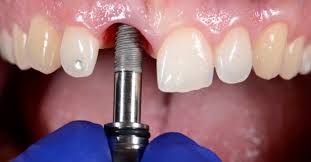
The world of Dental Implants is often surrounded by assumptions, outdated claims and personal anecdotes that make it difficult to understand what this treatment truly represents. Many people approach the topic with mixed feelings because they hear contradictory stories from friends, online forums or long standing misconceptions that continue to circulate. Some try to trace the origins of these myths, while others simply look for clarity about what artificial tooth roots actually involve. This article brings together scientific reflections with a clear narrative to make sense of this confusion.
Although there are many options for tooth replacement today, Dental Implants stand out because the idea of an artificial root can feel both technical and intriguing. Research shows that implant systems have evolved over decades, yet many common beliefs are far from accurate. For this reason, it becomes essential to question repeated assumptions when trying to understand how implants work.
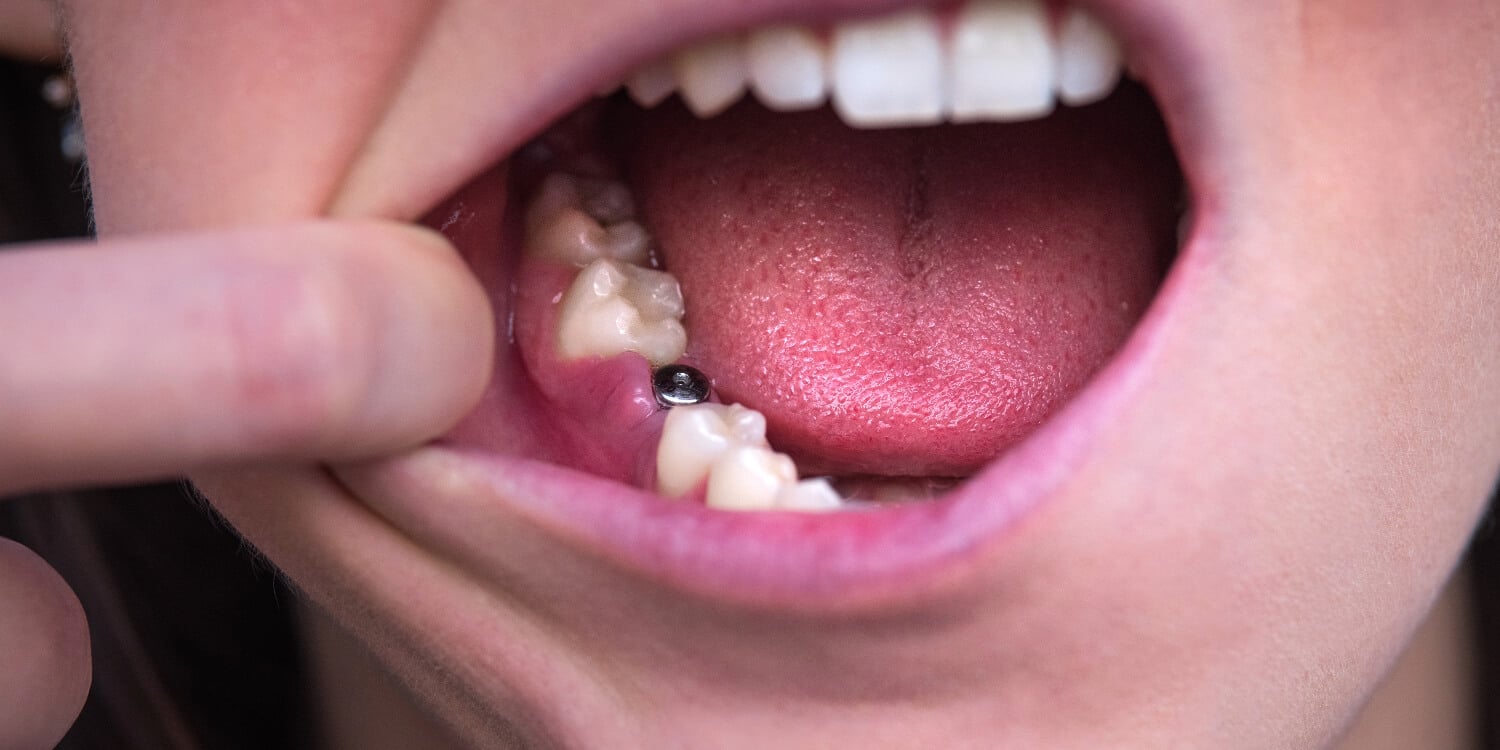
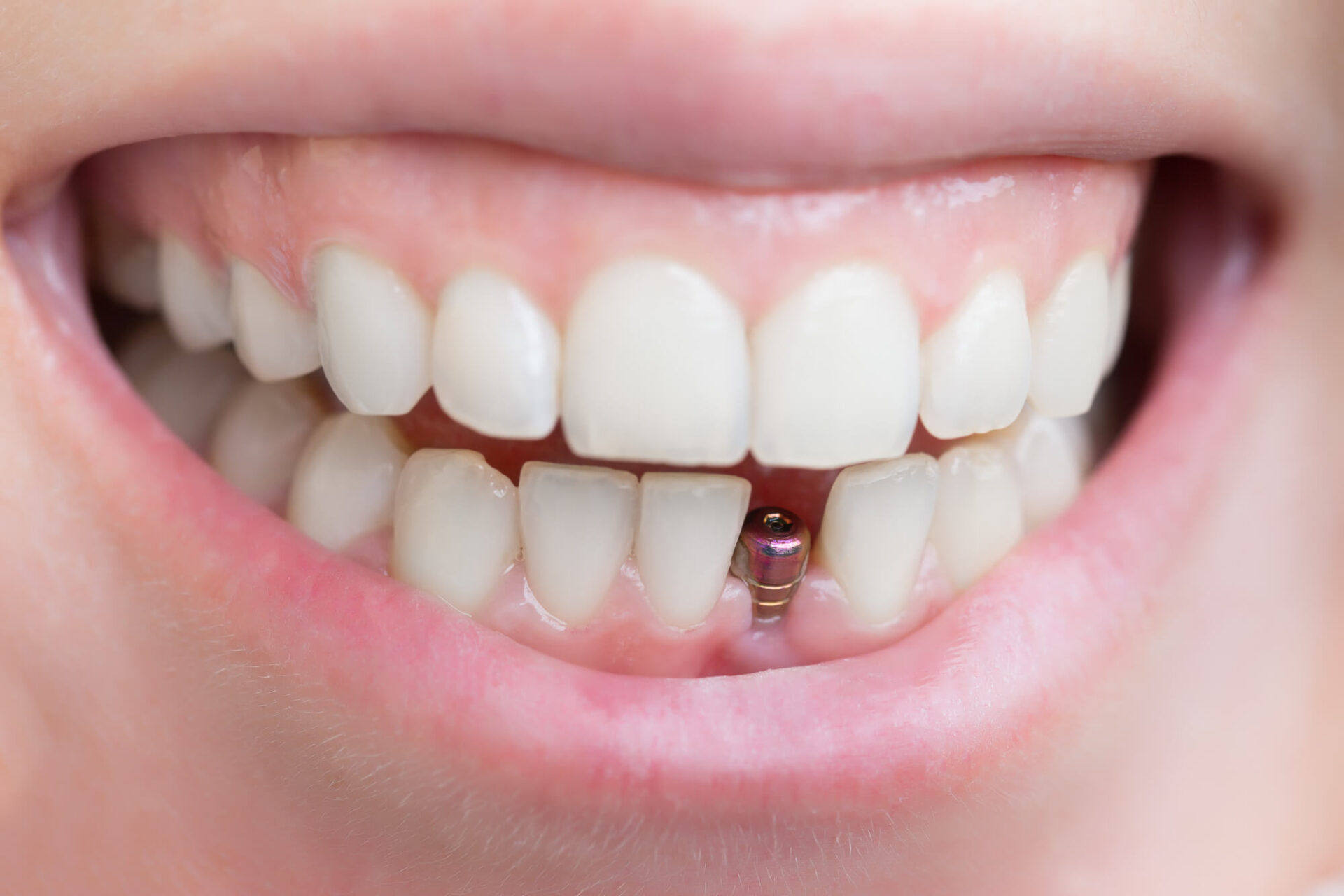
Are Dental Implants a One Size Fits All Solution
The assumption behind this myth is the belief that implants are placed the same way for every individual. However, factors such as tooth structure, bone density, jaw shape and general health show that implants require a highly personalized approach. Scientific literature highlights how jawbone characteristics vary widely from person to person, and these differences play a central role in planning implant procedures. It is also known that implants integrate with the body over time, and this process depends on each individual’s biological response. Some people heal quickly, while others progress more gradually. This means there is no single universal method that applies to everyone. The reality is far more dynamic and shaped by individual variables.Are Dental Implants Only for Older Adults
Another widespread belief is that this treatment is meant only for older adults. It is surprising how common this claim is, considering research shows that tooth loss occurs across different age groups and implants are evaluated for a wide demographic range. The needs of a young adult and those of an older individual may differ, yet the implant system is based on principles that are not age restricted. What makes this misconception interesting is how age often narrows people’s understanding of dental health. Many underestimate the impact of early tooth loss or assume their age group is not associated with implant treatment. In reality, implants serve a broad range of needs and the approach is guided by individual circumstances rather than age categories.Is the Procedure More Painful Than Other Dental Treatments
This myth is one of the strongest fear based assumptions people have. Technological advances show that modern dental equipment and techniques have improved significantly. Yet many still rely on outdated stories or imagined scenarios, assuming that implants are extremely painful. In practice, the implant process is structured into defined stages and considered a highly systematic procedure. People also have different pain thresholds. Some experience dental procedures more comfortably, while others feel them more intensely. For this reason, no single description fits every individual. Still, numerous clinical reports show that current techniques emphasize comfort and precision. This reveals that many long standing fears are not aligned with how the procedure actually works today.Do Dental Implants Look Artificial
One of the most persistent assumptions about Dental Implants is that they look noticeably artificial. This myth likely comes from older generations of dental restorations that had limited material options and less refined designs. Today’s implant supported restorations, however, are shaped using advanced digital tools that analyze facial proportions, light reflection patterns and natural tooth geometry. This scientific design approach helps create results that blend more harmoniously with a person’s natural features. Perception also plays a key role in how “natural” something appears. When people compare their expectations with recent advancements, they often find that their earlier assumptions no longer apply. Materials used in modern restorations are engineered to mimic the translucency and texture of enamel. This gradual shift in technology is why many old beliefs about artificial appearances continue to fade.Are Dental Implants Prone to Immediate Failure
Another widespread myth suggests that implants fail frequently or unpredictably. This belief often emerges from isolated stories that circulate without full context. Scientific reviews, however, emphasize that implant systems are studied extensively with long term data. Instead of focusing on failure as a likely outcome, research concentrates on variables that influence implant adaptation over time, such as bone quality, oral environment and how well a restoration distributes bite forces. Failure is not a spontaneous event. It usually involves identifiable contributing factors that specialists evaluate carefully. This is why planning, imaging and assessment are significant parts of the implant process. When people understand that implants function within a structured biological system, the fear of sudden failure becomes less convincing and more nuanced.Do Dental Implants Require High Maintenance
This myth assumes that implant care is radically different from everyday oral hygiene. Many imagine complicated routines or special requirements that are hard to maintain. In reality, implant supported restorations are designed to integrate into daily life without overwhelming the individual. They are built to interact with the oral environment naturally, which reduces the need for complex maintenance. Still, like anything within the mouth, implants perform best when basic hygiene habits are practiced consistently. People sometimes confuse “maintenance” with “difficulty,” leading to exaggerated expectations. When understood properly, implant care becomes a straightforward part of a person’s regular routine rather than a demanding task.Are Dental Implants Noticeable When Speaking or Eating
Some believe that implants might shift or feel unstable during everyday activities. This assumption likely comes from experiences with removable prosthetics, where movement can occur. However, the biological principle behind implants is their integration with bone, which gives them a stable foundation. Because they are anchored internally, they behave differently from removable devices. The sensation of chewing or speaking with implants is shaped by adaptation. As the body becomes familiar with new structures, these sensations often feel increasingly natural. Many misconceptions stem from imagining implants as external objects rather than integrated components of the oral system. When viewed through a biological lens, the idea of noticeable movement becomes less realistic.Understanding Long Term Adaptation With Dental Implants
Another myth suggests that Dental Implants feel unnatural in the long run. This belief is often shaped by early stage experiences some individuals report during the adaptation period. Biological systems naturally require time to adjust to new structures, whether they are orthopedic devices, visual aids or oral restorations. As the body becomes more familiar with the implant’s presence, sensations gradually stabilize, which is why long term comfort tends to increase rather than decrease. Perception is highly adaptable. When someone integrates a new component into their daily routines, the brain recalibrates how it interprets pressure, movement and contact. This neuroadaptation concept helps explain why older myths about permanent discomfort are inaccurate. People often underestimate the body’s capacity to normalize new experiences, leading to assumptions that do not reflect actual long term outcomes.
Are Dental Implants Only for Older Adults
A common misconception is that implants are reserved for older individuals. This myth likely emerged from the time when tooth loss was primarily associated with aging. Modern research, however, shows that tooth replacement needs can arise from many different circumstances, not just age related changes. Whether due to trauma, genetics or past dental treatments, people across a wide range of age groups explore implant based solutions. More importantly, the focus today is on function, stability and long term integrity rather than demographics. Age alone is not the main determinant of who considers implants. Instead, oral conditions, bone characteristics and personal goals shape the decision. When people understand this broader context, the idea of implants being “only for seniors” becomes less credible.A Clearer Perspective on Modern Dental Implants
In the broader conversation, myths about Dental Implants often overshadow the scientific and technological evolution behind them. Many outdated assumptions persist simply because people have not encountered up to date information. When examined through biological, aesthetic and functional frameworks, implants reveal themselves as complex structures shaped by engineering, research and human behavior. What stands out most is how misconceptions form. They often grow from incomplete stories, expectations shaped years ago or comparisons with older methods. When these ideas are revisited through a more informed lens, the gap between myth and modern reality becomes clear. This shift in understanding is what helps individuals make sense of how implants fit into contemporary dental science.Get Your Free Consultation
Have questions? Leave your details and we'll get back to you as soon as possible.
Get Free Consultation