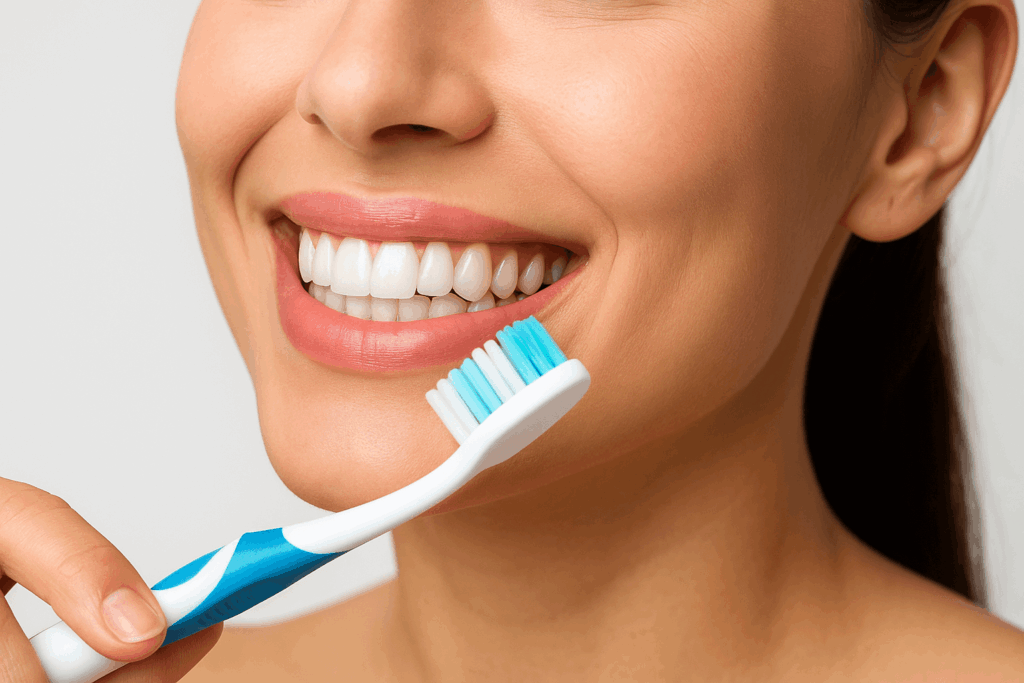
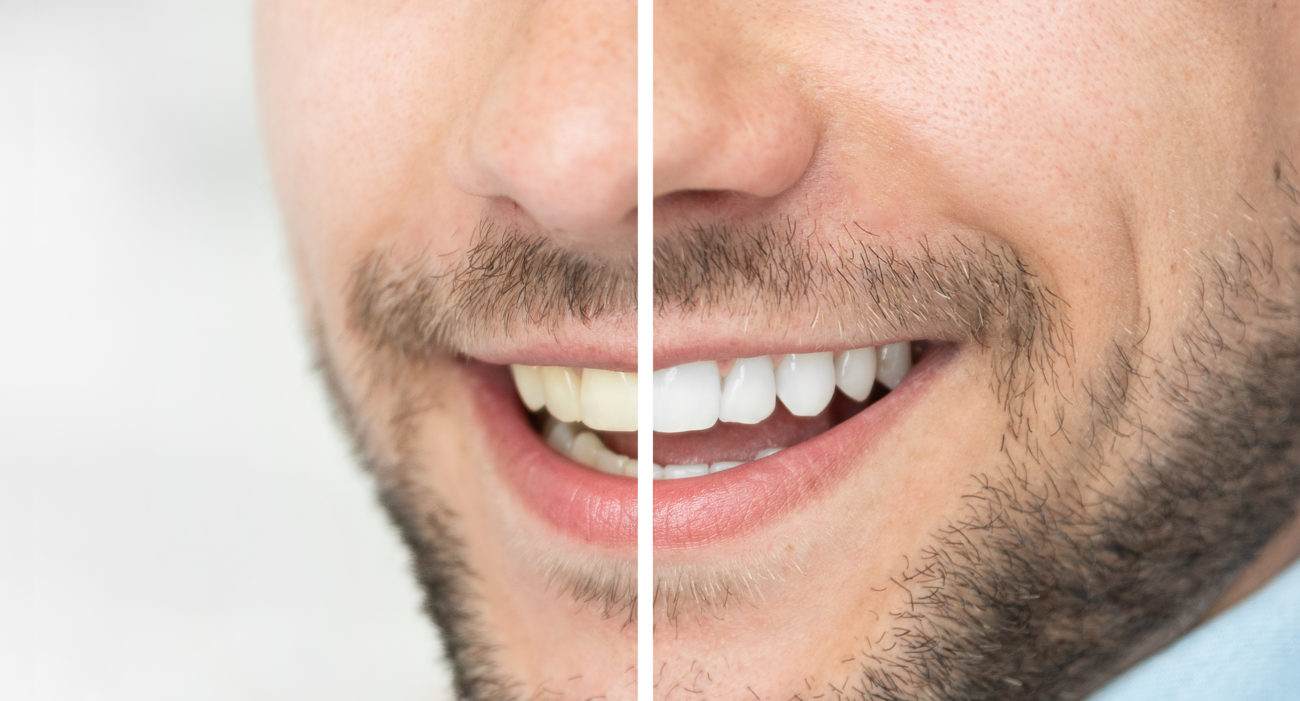
Maintaining healthy teeth is more than just achieving a bright smile; it’s about protecting the foundation of oral health. Strong teeth resist decay, reduce sensitivity, and play a crucial role in overall well-being. In this article, we’ll explore five scientifically grounded ways to fortify your teeth and prevent cavities, drawing on research findings and expert insights.Dental care and whitening teeth. Compare smile before and after bleaching.
Understanding the Anatomy of Your Teeth
Before discussing strategies to strengthen teeth, it’s essential to understand their structure. Each tooth consists of three main layers: enamel, dentin, and pulp. Teeth are coated with enamel, the hardest substance in the human body, which shields them from decay. Beneath the enamel, dentin contains microscopic tubules connecting to the pulp, which houses nerves and blood vessels. Damage to enamel directly affects the strength and longevity of your teeth.Research indicates that enamel can remineralize to some extent if proper oral care is maintained. Foods rich in calcium, phosphate, and fluoride help maintain enamel integrity. Scientists have found that early enamel damage often precedes cavity formation, highlighting the importance of proactive care to maintain robust teeth.
Optimal Nutrition for Strong Teeth
Diet plays a pivotal role in dental health. Certain nutrients can enhance the strength of teeth, reduce the risk of cavities, and support oral tissue regeneration.
Calcium and Vitamin D: Essential for mineralizing teeth and maintaining jawbone density.
Phosphorus: Works synergistically with calcium to repair enamel.
Vitamin K2: Supports the proper deposition of calcium in bones and teeth rather than soft tissues.
A 2022 study published in the Journal of Dental Research demonstrated that individuals consuming a diet rich in dairy, leafy greens, and nuts had significantly stronger enamel and fewer cavities over five years. Incorporating nutrient-dense foods is a proactive step toward resilient teeth.
Fluoride and Its Role in Strengthening Teeth
Fluoride is a mineral widely recognized for its ability to enhance enamel resistance and prevent cavities. It integrates into enamel, forming fluorapatite, which is less soluble in acid than hydroxyapatite, the natural enamel mineral.Daily use of fluoride toothpaste has been shown to reduce tooth decay by up to 40% in children and adults, according to the World Health Organization. Additionally, water fluoridation in certain regions has correlated with a significant decrease in cavity prevalence. Modern dental products may also contain higher fluoride concentrations, enhancing remineralization of early enamel lesions.
The Importance of Proper Oral Hygiene for Teeth
Routine oral hygiene is foundational to preventing cavities and maintaining strong teeth. Brushing, flossing, and professional dental cleanings remove plaque and bacterial biofilm that erode enamel.
Brushing: Use a soft-bristled toothbrush and fluoride toothpaste twice daily. Gentle circular motions are most effective.
Flossing: Removes debris between teeth that brushing cannot reach.
Mouth Rinses: Antimicrobial or fluoride rinses reduce bacterial load and support enamel strength.
A 2021 meta-analysis found that individuals who adhered to consistent oral hygiene routines had significantly lower rates of cavity formation, emphasizing that preventive practices directly influence teeth durability.
Lifestyle Habits That Protect Teeth
Certain lifestyle choices can either strengthen or weaken your teeth over time. Limiting sugary and acidic foods reduces enamel erosion, while habits like chewing sugar-free gum stimulate saliva production, which naturally neutralizes acids and delivers essential minerals to teeth.Smoking cessation also contributes to stronger teeth. Research shows that tobacco use accelerates periodontal disease and enamel degradation, ultimately compromising overall dental structure. Integrating healthy habits with proper nutrition creates a comprehensive strategy to preserve robust teeth.
Advanced Dental Treatments to Fortify Teeth
In some cases, professional interventions can enhance teeth strength. Dental sealants, for example, provide a protective coating over molars, preventing bacteria from accumulating in deep grooves. Similarly, remineralization treatments with concentrated fluoride gels or calcium-phosphate pastes help restore weakened enamel.Emerging technologies, such as nanohydroxyapatite-based pastes, mimic natural enamel minerals and have shown promising results in laboratory studies. These innovations represent the frontier of preventive dentistry, giving patients more tools to safeguard their teeth beyond routine care.
Integrating Strategies for Comprehensive Teeth Health
Combining nutrition, hygiene, lifestyle habits, and professional care offers the most effective approach to maintaining strong teeth. Simple measures like mindful eating, regular brushing with fluoride toothpaste, and routine dental visits create a synergistic effect, significantly lowering the risk of cavities.It’s also important to recognize that individual factors, such as genetics and saliva composition, influence teeth strength. Personalized approaches guided by dental professionals can optimize outcomes and provide targeted interventions where necessary.
Protecting Your Teeth for a Lifetime
Strengthening teeth is a dynamic process that involves consistent attention to diet, hygiene, and lifestyle. From understanding enamel anatomy to adopting preventive treatments, the strategies outlined here are supported by scientific evidence and practical observations. Strong teeth not only prevent cavities but also enhance overall health, making them a critical component of long-term wellness.By integrating these five approaches, individuals can confidently take proactive steps toward maintaining durable, healthy teeth and minimizing dental issues in the future.
Get Your Free Consultation
Have questions? Leave your details and we'll get back to you as soon as possible.
I have always viewed dentistry as more than just performing treatments; I prioritize building trust-based communication with my patients, aiming to ensure their comfort and satisfaction. My goal is to add both health and aesthetic value to each individual's smile through my knowledge and experience.