
The future of Dental Care is being reshaped by technologies that once felt distant or experimental. Artificial intelligence and 3D printing are no longer concepts limited to research labs or tech conferences. They are increasingly visible in modern clinics, laboratories, and academic discussions around Dental Care innovation. From digital diagnostics to personalized restorations, these technologies are redefining how professionals think about efficiency, accuracy, and patient experience.
As expectations around Dental Care continue to evolve, clinics like ClinicHI are closely observing how intelligent systems and advanced manufacturing tools influence everyday dental workflows.
 Equally important are interdisciplinary collaborations. Engineers, data scientists, and dental professionals contribute different perspectives, enriching Dental Care innovation. This collective approach ensures that technological progress aligns with clinical realities and human needs.
AI-Driven Diagnostics and the Transformation of Dental Care
Artificial intelligence has become one of the most discussed developments in Dental Care, particularly in diagnostic processes. Instead of replacing professionals, AI systems are designed to support decision making by analyzing complex data sets faster than traditional methods. In imaging analysis, AI-powered software can review radiographs and intraoral scans, highlighting patterns that may deserve closer human evaluation. This approach within Dental Care is often described as augmented intelligence rather than automation. It aims to reduce oversight risk while improving consistency across evaluations. Another emerging aspect of AI in Dental Care is data pattern recognition. By processing anonymized clinical records, AI tools can identify trends in treatment outcomes, material performance, or workflow efficiency. These insights help clinics reflect on their own processes and consider improvements grounded in evidence, not assumptions.Personalized Treatment Planning in Modern Dental Care
One of the most compelling impacts of AI appears in personalized planning within Dental Care. Every patient presents unique anatomical and behavioral factors, and AI systems excel at managing complexity. Through advanced modeling, AI can simulate multiple treatment scenarios based on digital impressions, bite analysis, and historical case data. In Dental Care, this allows practitioners to visualize alternatives and communicate them more clearly. Visual simulations also support better understanding between clinicians and patients, improving transparency. From an analytical perspective, personalization in Dental Care aligns with a broader shift toward data-informed customization across healthcare. Rather than standard approaches, AI-assisted planning emphasizes adaptability, learning from previous outcomes to refine future strategies.The Role of 3D Printing in Restorative Dental Care
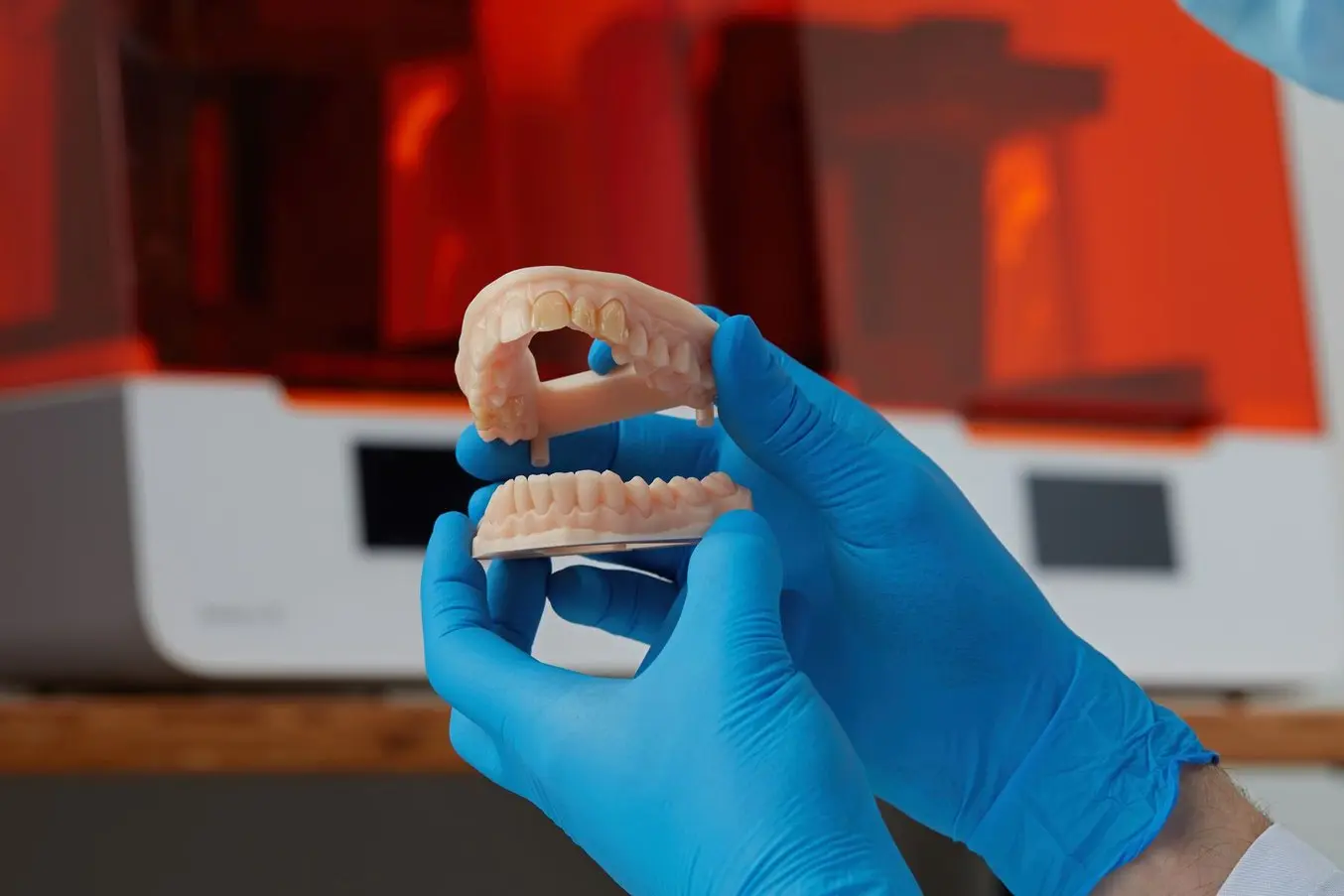
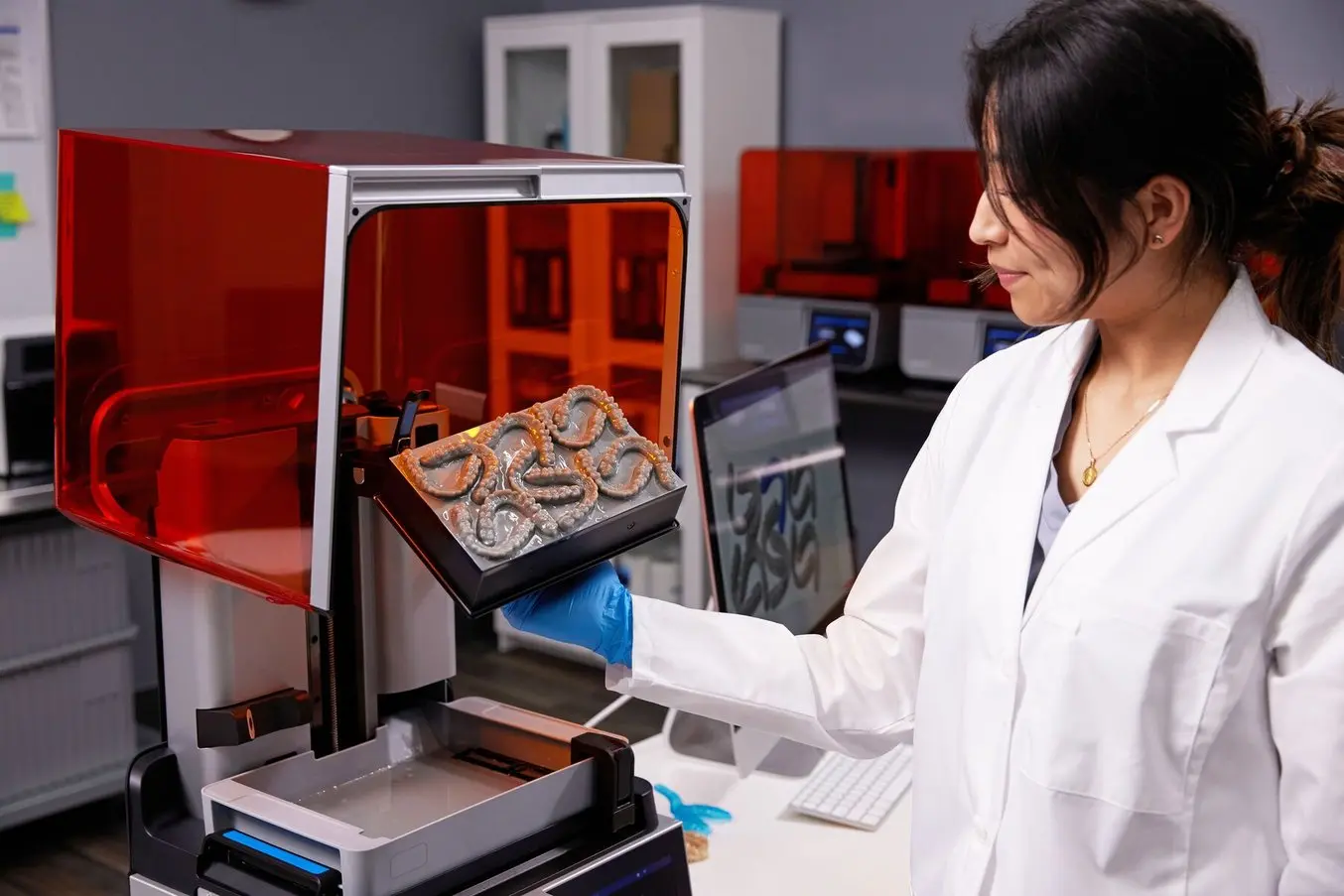
3D printing has moved rapidly from novelty to necessity in restorative Dental Care. Its ability to produce precise, repeatable components has changed how dental laboratories and clinics collaborate. In restorative workflows, 3D printing enables the production of crowns, bridges, surgical guides, and aligner models with remarkable accuracy. This shift in Dental Care manufacturing reduces dependency on manual processes and shortens production timelines. The result is a more streamlined path from diagnosis to delivery. Material science plays a critical role here. Research into printable resins and ceramics continues to expand, focusing on durability, aesthetics, and biocompatibility. These developments reinforce the credibility of 3D printing as a serious contributor to the future of Dental Care, not a temporary trend.How Digital Workflows Are Redefining Dental Care Efficiency
The integration of AI and 3D printing has led to fully digital workflows that redefine operational efficiency in Dental Care. Digital impressions replace physical molds, cloud platforms connect clinics with labs, and automated production reduces turnaround variability. Within these workflows, Dental Care becomes less fragmented. Data flows seamlessly from scanning to design to fabrication, reducing manual transfer errors. This connected approach allows teams to focus more on evaluation and communication rather than repetitive tasks. From a strategic standpoint, digital workflows in Dental Care also offer scalability. Clinics can adapt to increased demand without proportionally increasing labor intensity. This efficiency-driven model is a key reason why technology adoption continues to accelerate globally.Data, Ethics, and Trust in AI-Based Dental Care
While innovation excites, ethical considerations remain central to discussions around AI in Dental Care. Data privacy, transparency, and accountability are essential components of responsible technology use. AI systems rely on large datasets, and in Dental Care, this raises questions about consent and anonymization. Regulatory frameworks and institutional standards are evolving to address these concerns, emphasizing trust as a foundational value. Another ethical layer involves interpretability. Professionals need to understand how AI reaches certain conclusions within Dental Care contexts. This understanding ensures that technology remains a support tool rather than an unquestioned authority, preserving professional judgment and patient confidence.Research Trends Shaping the Future of Dental Care
Academic and industry research offers valuable insights into where Dental Care is heading. Studies increasingly focus on hybrid systems that combine AI analysis with 3D printed outputs, creating feedback loops that improve accuracy over time. For example, ongoing research explores how AI can optimize 3D printing parameters based on previous case performance. In Dental Care, this means learning from real-world usage rather than controlled lab conditions alone. Such adaptive systems represent a new generation of intelligent manufacturing.
Equally important are interdisciplinary collaborations. Engineers, data scientists, and dental professionals contribute different perspectives, enriching Dental Care innovation. This collective approach ensures that technological progress aligns with clinical realities and human needs.
The Human Factor in Technology-Enhanced Dental Care
Despite rapid digitization, the human element remains central to Dental Care. Technology reshapes tools and processes, but expertise, empathy, and critical thinking remain irreplaceable. AI and 3D printing free time previously spent on manual tasks, allowing professionals to focus more on communication and analysis. In this sense, advanced Dental Care technologies support a more human-centered experience rather than diminishing it. From a cultural viewpoint, clinics adopting these tools often emphasize continuous learning. Staying current with technological literacy becomes part of professional identity within Dental Care, fostering curiosity rather than resistance.A Balanced Vision for the Future of Dental Care
The convergence of artificial intelligence and 3D printing represents a significant chapter in the evolution of Dental Care. These technologies introduce efficiency, personalization, and analytical depth, while also raising important questions about ethics, trust, and responsibility. Rather than offering definitive answers, the future of Dental Care invites exploration and informed dialogue. Clinics like ClinicHI observe these developments with a critical yet optimistic perspective, recognizing that meaningful progress lies in balance, not hype. As research continues and real-world applications expand, Dental Care stands at a crossroads where innovation meets experience. The choices made today will shape how technology supports both professionals and patients in the years ahead.Get Your Free Consultation
Have questions? Leave your details and we'll get back to you as soon as possible.
Get Free Consultation